
Signs Your AC Needs Repair Before It Completely Fails
The intense heat in Longview makes a functioning air conditioner a necessity rather than a luxury. Homeowners in East Texas rely on their cooling systems to maintain a safe and comfortable environment. A sudden breakdown during the peak of summer is a stressful and potentially dangerous event. Most total system failures do not happen without warning. Your air conditioning unit often provides subtle clues that it is struggling long before it stops working entirely. Recognizing these signs early allows you to schedule repairs before a minor issue becomes a catastrophic failure. Ignoring small symptoms often leads to more extensive damage and higher repair costs.
Waiting until the system completely dies puts you at the mercy of emergency scheduling and potential parts availability issues. A proactive approach to HVAC care saves money and ensures continuous comfort. You do not need to be a certified technician to spot the common indicators of trouble. Paying attention to how your system sounds, smells, and performs provides valuable information. If you notice changes in operation, it is usually time to call a professional for a diagnostic inspection. Addressing problems when they are small prevents the cascade of mechanical failures that force a complete system replacement.
Weak or Warm Airflow From Vents
One of the most obvious signs of trouble is a decrease in the strength of the air coming from your vents. You might notice that certain rooms are harder to cool or that the air feels stagnant. Weak airflow often indicates a problem with the blower motor or a blockage in the ductwork. The blower motor is responsible for pushing conditioned air throughout your home. If the motor is failing or the fan belt is slipping, the volume of air decreases significantly. A clogged air filter is another common culprit that restricts air movement. When air cannot flow freely over the evaporator coil, the coil can freeze. A frozen coil blocks airflow even further and puts immense strain on the compressor.
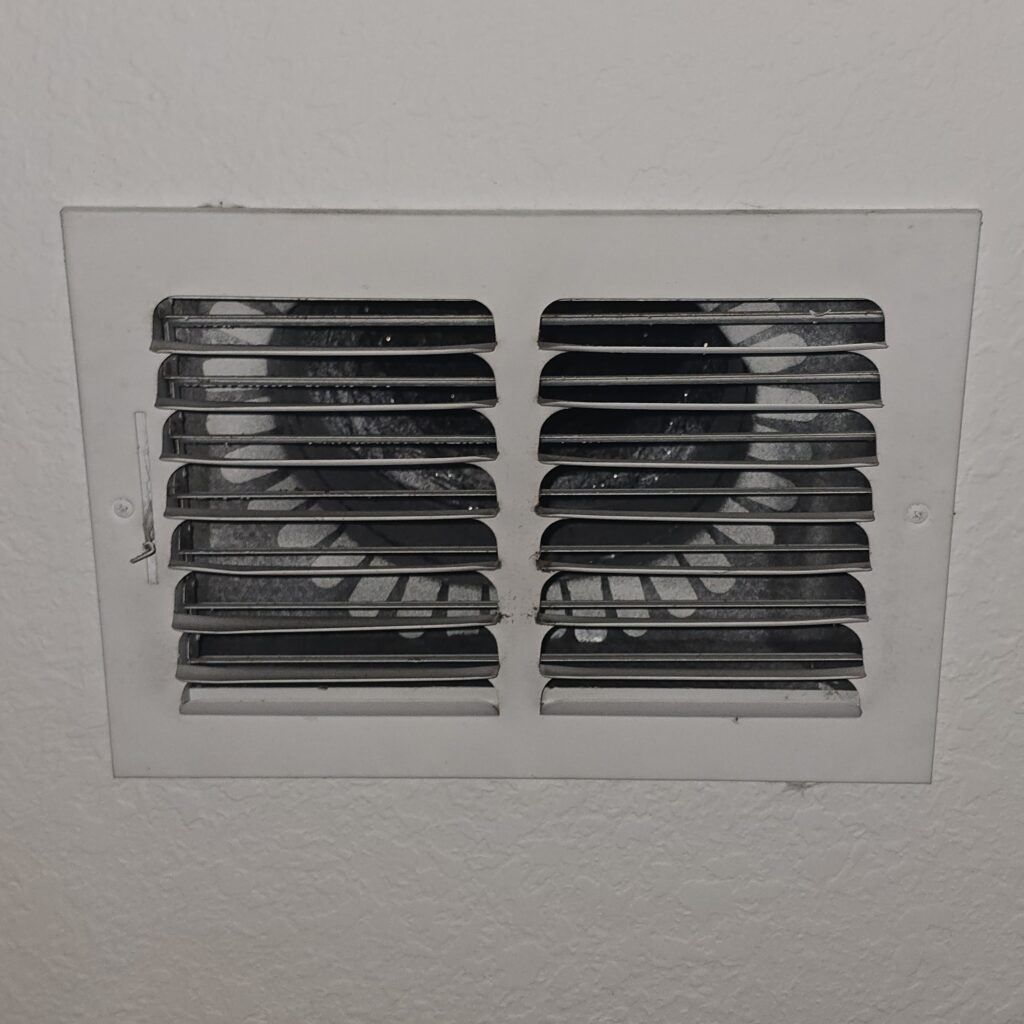
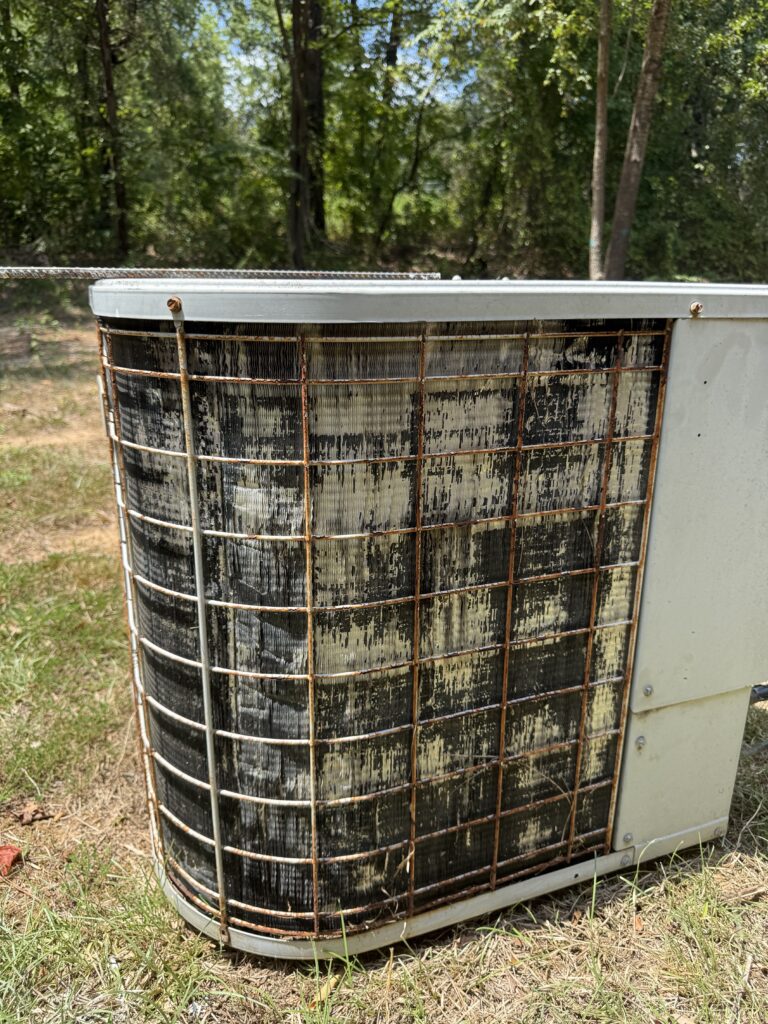
Warm air blowing from the vents when the thermostat is set to cool is a serious red flag. This symptom often points to a compressor issue or a lack of refrigerant. The compressor pumps refrigerant through the system to remove heat. If the compressor is not running or is unable to build pressure, the air will not get cold. Low refrigerant levels due to a leak also prevent the system from absorbing heat effectively. In some cases, a dirty outdoor unit prevents the release of heat. The system recirculates the heat instead of expelling it. This results in warm air circulating back into your living space.
Ductwork issues can also cause weak airflow. Leaks or disconnects in the attic allow cool air to escape before it reaches your rooms. You might be paying to cool your attic while your living room remains hot. Crushed or collapsed ducts restrict the path of the air. This forces the system to run longer to satisfy the thermostat. Extended runtimes increase wear on every component. Identifying airflow problems early protects the heart of your system from overheating. It also restores the efficiency required to keep your utility bills in check.
Strange and Unusual Noises
Air conditioners are designed to operate relatively quietly. You should hear the gentle hum of the motor and the sound of moving air. Loud or unfamiliar noises almost always indicate a mechanical problem. A grinding sound suggests that the bearings in a motor are shot. The metal bearings inside the fan motor or compressor wear down over time due to friction and heat. Once the lubrication is gone, metal grinds on metal. If this is not addressed, the motor will eventually seize and burn out. Replacing a motor is a standard repair but replacing a seized compressor is a major expense.
Squealing or screeching noises are often related to the blower motor belt or fan. A loose or worn belt can slip and create a high, piercing sound. This is more common in older units but can happen in any system with belt-driven components. Some modern motors might squeal if the internal lubrication fails. Hissing or bubbling sounds typically point to a refrigerant leak. Refrigerant escapes under high pressure. A large leak creates a distinct hissing noise as the gas exits the copper lines. A smaller leak might sound like bubbling. Low refrigerant causes the system to freeze and damage the compressor.
Rattling or banging noises suggest loose components. Vibration during normal operation can loosen screws, bolts, and panels over the years. A loose fan blade might hit the side of the unit or a piece of debris might be stuck inside the condenser. While a loose screw sounds minor, the vibration can cause copper lines to rub together and create a leak. A fan blade that is out of balance can destroy the motor shaft. Investigating these noises promptly usually results in a simple fix. Ignoring them allows the loose part to cause significant physical damage to the unit.
Unpleasant Odors and Smells
Your air conditioner circulates the air in your home multiple times a day. If that air smells bad, it indicates a problem within the system. A musty or moldy smell is the most common complaint. This usually stems from the condensate drain line or the evaporator coil. The coil is dark, cool, and wet. This environment is perfect for the growth of mold and mildew. If the drain line is clogged, standing water accumulates in the drain pan. Algae and bacteria grow in this stagnant water and release foul odors into the airstream. Breathing in mold spores reduces indoor air quality and can trigger allergies.
A burning smell is a sign of an electrical emergency. It often smells like melting plastic or ozone. This odor indicates that wire insulation is burning or a component is overheating. A failing motor might emit a burning smell just before it dies. A capacitor that is swelling and about to burst can also create an acrid odor. Electrical shorts are a fire hazard. If you smell burning, you should turn off the system immediately and call a professional. Continuing to run the unit can cause extensive damage to the wiring harness and control board.
Rotten egg or sulfur smells are rare but serious. Natural gas does not typically run through an air conditioning system, but if you have a gas furnace attached to your AC, a leak is possible. Small animals can also crawl into ductwork or the outdoor unit and die. The smell of decomposition will quickly spread through the house. Pest infestations can damage wiring and ductwork. Identifying the source of the odor protects your health and the integrity of your HVAC equipment. A clean and well-maintained system should produce neutral and odorless air.
The Unit Cycles Frequently
Short cycling describes a condition where the air conditioner turns on and off rapidly without completing a full cooling cycle. A normal cycle typically lasts long enough to reach the set temperature and remove humidity. If your unit runs for only a few minutes and then shuts off, something is wrong. This constant starting and stopping places massive stress on the compressor. The start-up phase requires the most energy and generates the most heat. Frequent starts cause the compressor windings to overheat and degrade. This significantly shortens the lifespan of the equipment.
One common cause of short cycling is an oversized unit. If the AC is too big for the space, it cools the air too quickly. It satisfies the thermostat before it has removed the humidity. The thermostat shuts the unit off, but the humidity makes the room feel warm again quickly. The thermostat then signals the unit to turn back on. This cycle repeats endlessly. A clogged air filter can also cause short cycling. The restricted airflow causes the evaporator coil to freeze. The system shuts down on a safety limit to prevent damage. Once the ice melts slightly, it tries to run again.
Low refrigerant levels often trigger the low-pressure safety switch. The system detects that there is not enough pressure to operate safely and shuts down the compressor. Pressure equalizes after a few moments and the system attempts to restart. This loop continues until the component fails or a technician fixes the leak. Thermostat location can also be a factor. If the thermostat is located near a heat source or a drafty window, it gets false readings. It signals the AC to run erratically. Diagnosing the root cause of short cycling prevents premature compressor failure and high energy bills.
Excess Moisture or Water Leaks
Air conditioners dehumidify the air as part of the cooling process. This moisture condenses on the cold indoor coil and drips into a drain pan. A PVC pipe then carries the water out of your home. Seeing water pooling around your indoor unit is a sign that this drainage system has failed. A clogged drain line is the most frequent cause. Algae and sludge block the pipe and force water to overflow the pan. Water damage to your ceiling, floors, and drywall can be expensive to repair. Most modern systems have a float switch to turn the unit off if water backs up. If your screen goes blank or the unit will not turn on, check for water in the pan.
Ice forming on the copper lines or the outdoor unit is another moisture-related warning sign. You might see white frost on the refrigerant lines leading into the house. This indicates that the evaporator coil inside is a block of ice. As this ice melts, it can overwhelm the drain pan and cause leaks. Freezing is caused by airflow restrictions or low refrigerant. Running a frozen system is dangerous for the compressor. Liquid refrigerant can flood back to the compressor and cause mechanical failure. You must turn the system off and let it thaw before a technician can test it.
High indoor humidity is a subtle sign of moisture problems. If your home feels sticky or clammy even when the temperature is low, the AC is not doing its job. This might mean the unit is short cycling or the evaporator coil is dirty. A dirty coil cannot transfer heat or condensation effectively. Excess humidity encourages mold growth in your home and makes you feel uncomfortable. Your cooling system should control moisture levels automatically. When it fails to do so, it is a sign that the system efficiency is compromised and repairs are needed.
Unexplained Increases in Energy Bills
A sudden spike in your electric bill is often the first tangible proof of an HVAC problem. You generally know what to expect from your utility costs during a Longview summer. If one month is significantly higher than the previous year without a change in weather or usage, your AC is likely the culprit. As components wear out, they become less efficient. The system has to use more electricity to provide the same amount of cooling. A failing compressor might draw higher amperage than normal. A dirty outdoor coil forces the fan to run longer to dissipate heat.
Leaky ductwork is a major contributor to energy waste. If your ducts are leaking conditioned air into the attic, your unit runs continuously to compensate. You are paying to cool the outdoors. The thermostat never stays satisfied so the cycle never ends. Friction in motor bearings also increases electrical consumption. The motor has to work harder to overcome the resistance of the bad bearings. This wasted energy shows up directly on your monthly bill.
Old capacitors can also cause efficiency drops. A weak capacitor does not provide the proper voltage shift for the motor. The motor runs hot and inefficiently. Regular maintenance helps keep these costs down. A technician can measure the amperage draw of your motors and compressor. High amp draws indicate impending failure. fixing the issue restores efficiency. Paying for a repair is often cheaper than paying the excess utility costs of a struggling system for several months.
Thermostat Discrepancies and Control Issues
The thermostat serves as the brain of your HVAC system. When the thermostat and the unit stop communicating effectively, comfort suffers. You might set the temperature to 72 degrees but the room temperature remains at 78. This discrepancy indicates that the system cannot keep up with the demand. It might be a sensor issue within the thermostat itself. Old thermostats can lose calibration over time. They read the room temperature incorrectly and fail to cycle the unit on or off at the right times.
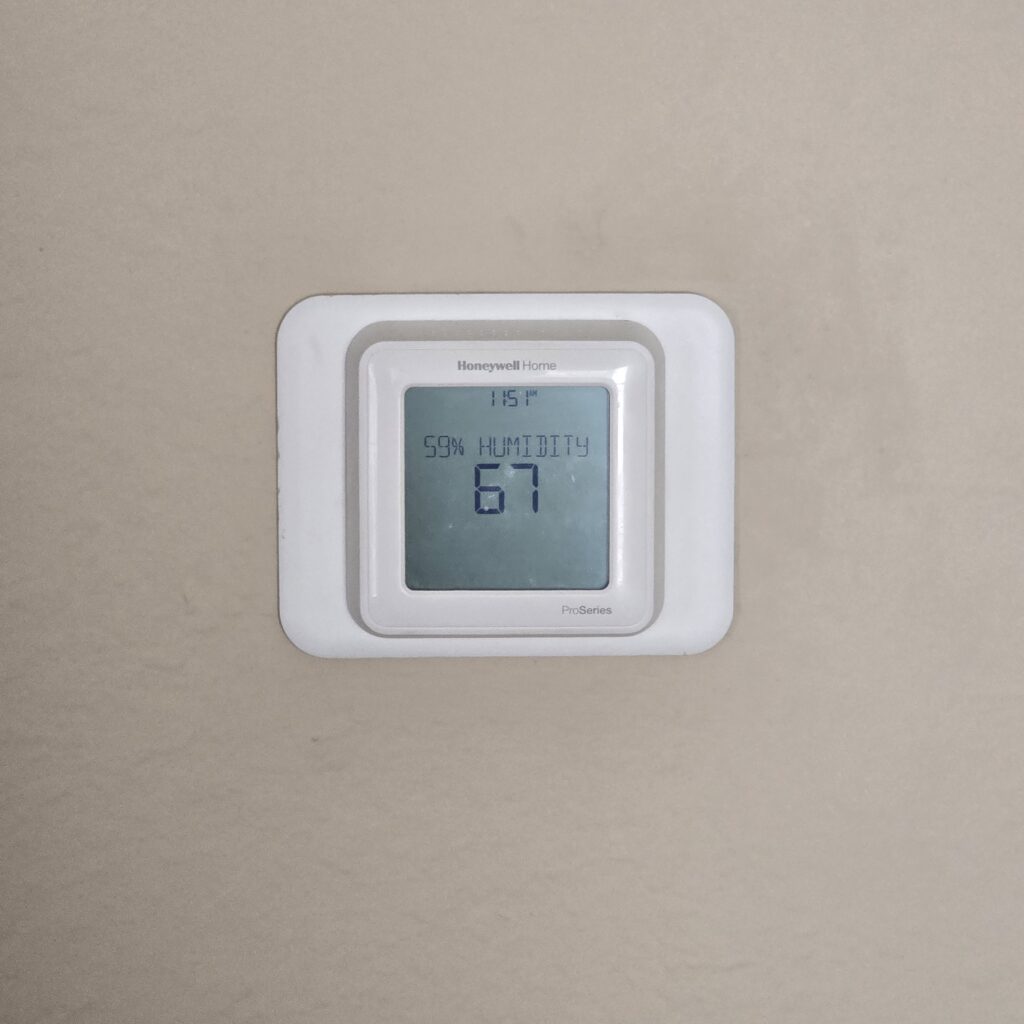
Wiring issues between the thermostat and the unit can also cause erratic behavior. The low-voltage wires that control the system run through the walls and attic. Pest damage or insulation degradation can cause shorts. A short might cause the heat to run at the same time as the cool. It might cause the fan to run continuously even when the system is off. If the display on your thermostat flickers or goes blank, it might indicate a power issue at the furnace or air handler.
Sometimes the problem is simply bad placement. A thermostat placed in direct sunlight reads hotter than the rest of the house. It runs the AC too much and freezes the occupants of other rooms. A thermostat near the kitchen absorbs heat from cooking. Verifying the accuracy of your controls is a critical step in troubleshooting. A modern digital thermostat eliminates many of the mechanical issues of older mercury units. Ensuring your controls are accurate prevents unnecessary strain on the mechanical components of the air conditioner.
Your air conditioning system protects your home from the harsh realities of the Texas climate. It is a complex machine that endures extreme stress during the long summer season. The signs of impending failure are rarely silent. Strange noises, weak airflow, odd smells, and rising energy bills are the language your system uses to ask for help. Ignoring these pleas usually results in a complete system breakdown at the most inconvenient time. The cost of a minor repair is always less than the cost of a major component replacement or a new unit.
RC’s A/C Reliable Climate is dedicated to keeping the residents of Longview and the surrounding areas cool and comfortable. Our team possesses the skills and experience to diagnose these warning signs accurately. We believe in honest service and transparent communication. We do not want you to be left in the heat. By paying attention to the behavior of your air conditioner, you can partner with us to extend its life. Schedule an inspection today if you notice any of these symptoms. Let us address the issue now so you can enjoy reliable comfort all summer long.