
How Walk In Coolers Stay Efficient in Hot Weather
Commercial refrigeration is the backbone of many businesses in Longview. Restaurants, grocery stores, and florists rely on these large cold storage units to preserve perishable inventory. When the Texas summer arrives, the demand on these systems increases drastically. A walk in cooler must maintain a temperature between 35 and 41 degrees Fahrenheit regardless of the outside temperature. This becomes a significant challenge when the ambient temperature climbs above 100 degrees. The heat attempts to penetrate the cooler from every angle. The equipment must work tirelessly to reject this heat and keep the internal environment stable. Efficiency in this context is not just about saving electricity. It is about preventing spoilage and protecting the bottom line of the business.
Understanding how these systems function in high heat helps business owners appreciate the importance of maintenance. The physics of refrigeration involves moving heat from one place to another. Your cooler removes heat from the food and the air inside the box and releases it outdoors. This process relies on a complex interaction of insulation, airflow, and thermodynamics. When one part of the system falters, the entire cooling process suffers. Energy consumption spikes and the risk of catastrophic failure rises. Keeping a walk in cooler efficient requires attention to the physical structure of the box and the mechanical components that power it.
Insulation and Structural Integrity
The first line of defense against the Texas heat is the structure of the walk in cooler itself. The walls, ceiling, and floor are constructed of insulated panels. These panels typically consist of foam insulation sandwiched between sheets of metal. The thickness and quality of this insulation determine how well the unit resists heat transfer. Over time, these panels can degrade or separate. Gaps between panels allow warm, humid air to infiltrate the cooled space. This infiltration forces the refrigeration system to run longer to remove the added heat and moisture.
Door gaskets play a massive role in maintaining the seal of the unit. The gasket is the magnetic rubber strip that seals the door against the frame. These gaskets endure constant wear and tear from employees entering and exiting the cooler. Cracks or tears in the gasket break the seal. You can often feel cold air escaping or warm air entering around a bad gasket. In the humid climate of East Texas, a bad seal also leads to condensation and ice buildup around the door frame. This ice can damage the door hinges and latch, creating further sealing problems.
The floor of the walk in cooler is another critical area often overlooked. If the floor insulation fails or if the cooler sits directly on a concrete slab without a thermal break, heat conducts upward into the box. This is particularly true for outdoor walk in units sitting on hot pavement. Ground heat transfer adds a constant load to the system. Proper installation includes ensuring the floor panels are intact and capable of supporting the weight of the shelving and product. Maintaining the structural shell is the passive way to ensure the mechanical system does not have to work overtime.
The Role of the Condensing Unit
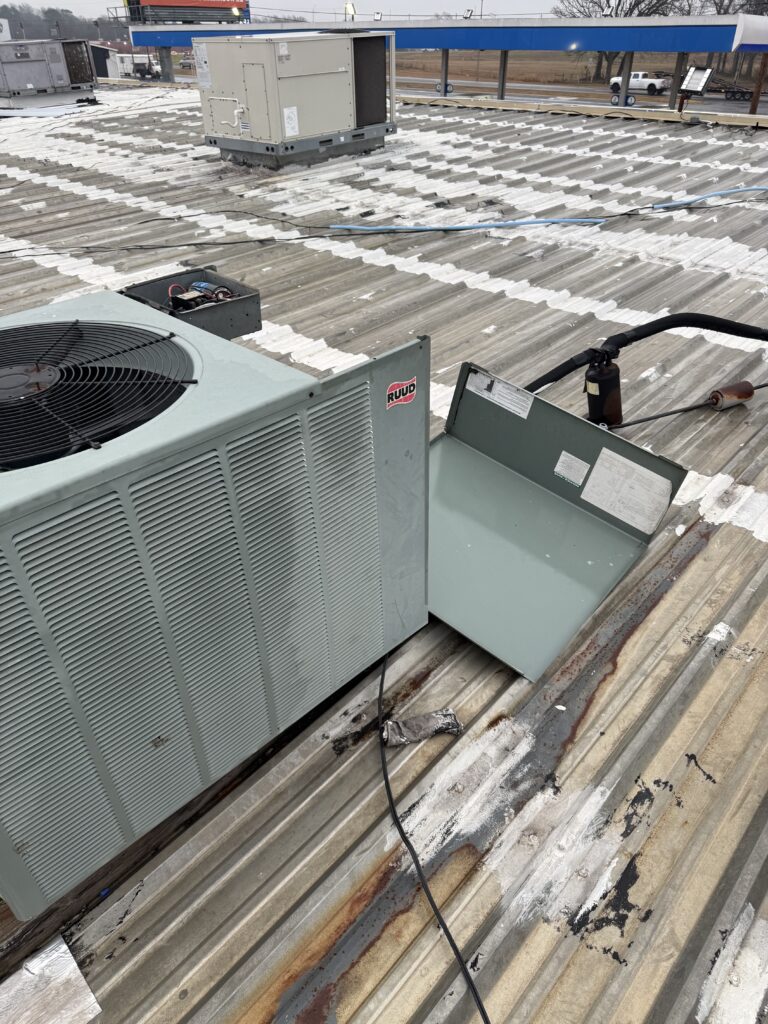
The condensing unit is the engine of the refrigeration system. It is usually located outside the building or on the roof to keep the noise and heat away from the workspace. This placement exposes the unit to the full force of the summer sun. The job of the condenser is to release the heat absorbed from inside the cooler. It does this by compressing the refrigerant and pumping it through a coil. A fan blows ambient air over the coil to cool the refrigerant down and turn it back into a liquid.
High ambient temperatures make this heat rejection process difficult. If it is 105 degrees outside, the air blowing over the coil is already hot. The system must run at higher pressures to release the heat effectively. This elevated head pressure puts a strain on the compressor. If the condenser coil is dirty, the problem gets much worse. Dust, grease, and pollen clog the fins of the coil and act as an insulating blanket. The heat cannot escape the refrigerant. The compressor draws more amps and runs hotter, leading to potential burnout.
Airflow around the condensing unit is nonnegotiable. Technicians often find units surrounded by boxes, pallets, or overgrown vegetation. These obstructions block the fresh air needed for heat transfer. The fan ends up recirculating the hot air it just discharged. This creates a localized heat pocket that can exceed 130 degrees. Ensuring that the condensing unit has ample clearance and clean coils is the single most effective way to maintain efficiency during the summer. Regular washing of the coils prevents the head pressure from reaching dangerous levels.
Refrigerant Management and Pressures
The refrigerant acts as the blood of the cooling system. It circulates constantly, changing from liquid to gas and back again. This phase change is what allows it to absorb and release heat. In hot weather, the precise amount of refrigerant in the system becomes critical. If the charge is too low, the system cannot absorb enough heat. The compressor runs continuously but the temperature inside the box never drops. This is a common issue caused by small leaks in the piping or vibrations that loosen fittings.
An overcharged system is equally detrimental in the heat. Too much refrigerant increases the pressure inside the condenser. Since the outdoor temperature already raises the pressure naturally, an overcharge pushes the system to its mechanical limits. The compressor valves can fail under this immense stress. Professional technicians use gauges to measure subcooling and superheat. These metrics tell them exactly what is happening inside the lines. Correct refrigerant charge ensures the system uses the full surface area of the coils for heat transfer.
The metering device, usually a thermal expansion valve, regulates the flow of refrigerant into the evaporator coil. This valve reacts to conditions inside the cooler. In hot weather, the load on the cooler changes frequently as warm product is brought in. The valve must adjust quickly to feed the right amount of refrigerant. If the valve is stuck or clogged, the system loses capacity. Proper maintenance includes checking the operation of this valve to ensure it feeds the coil efficiently without flooding the compressor.
Evaporator Coil and Defrost Cycles
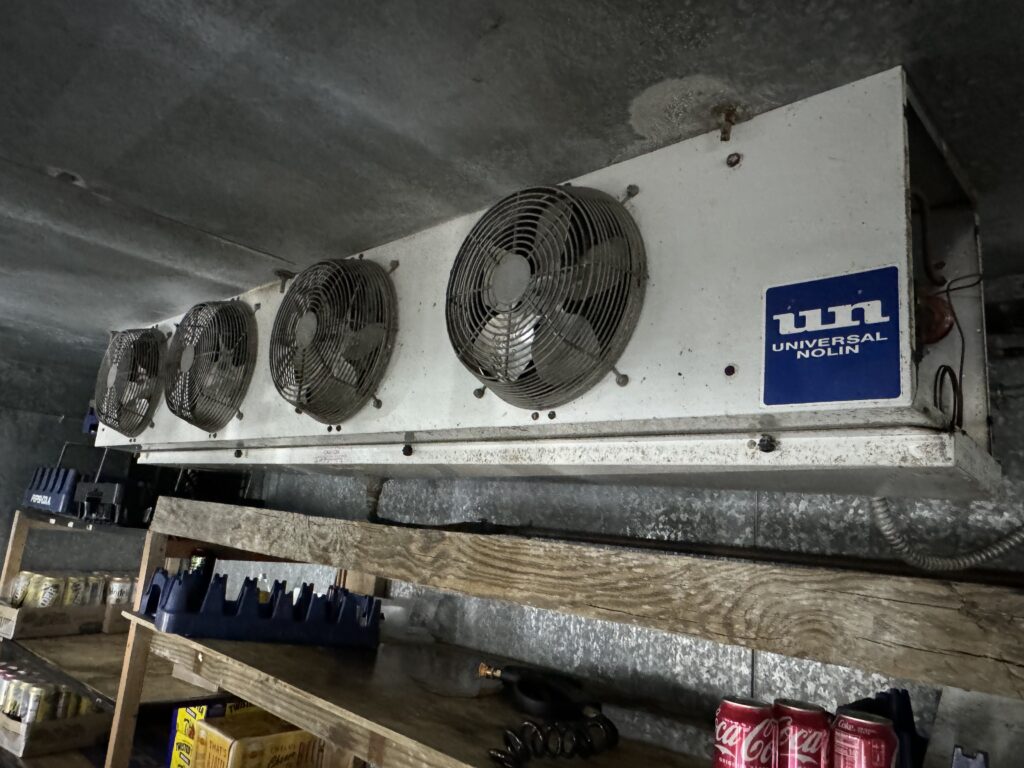
The evaporator coil is located inside the walk in cooler. Fans blow air over this cold coil to lower the temperature of the room. Humidity control is a major byproduct of this process. Moisture from the air freezes onto the fins of the coil. If this ice is allowed to build up, it blocks the airflow. Without airflow, the coil cannot cool the box. Walk in coolers have defrost cycles to melt this ice periodically.
In the summer, the infiltration of humid air makes frost buildup happen faster. If the door is opened frequently, moisture pours in. The defrost cycle must be calibrated correctly to handle this load. If the defrost period is too short, ice remains and grows. If it is too long, the box temperature rises unnecessarily. A timer usually controls these cycles. Technicians may need to adjust the frequency and duration of defrost cycles during the hottest months to account for the extra humidity.
Drainage is another aspect of the evaporator section. When the ice melts during defrost, the water flows into a drain pan and out of the unit. Algae and slime grow rapidly in these drain lines during the summer. A clogged drain line causes water to overflow onto the floor of the cooler. This water can freeze and create a slipping hazard. It also adds humidity back into the air which forces the system to work harder. keeping the drain line clear allows the system to remove latent heat effectively.
Managing Air Infiltration and Usage Habits
The way staff uses the walk in cooler impacts its efficiency more than any mechanical factor. Every time the door opens, heavy cold air rushes out and light warm air rushes in. This air exchange places an immediate heat load on the evaporator coil. During a busy lunch or dinner rush, the door might stay open for extended periods. This prevents the unit from ever reaching its set point. The compressor runs nonstop to catch up.
Strip curtains are a simple but vital tool for efficiency. These thick plastic strips hang in the doorway and create a barrier even when the main door is open. They allow people to pass through while minimizing air mixing. Many businesses tie these curtains back or remove them because they are inconvenient. This is a costly mistake in the Texas heat. Strip curtains can reduce the heat load from door openings by a significant margin. Replacing torn or missing strips is an inexpensive repair that pays for itself in energy savings.
Lighting inside the cooler also contributes to the heat load. Older walk in units often use incandescent bulbs. These bulbs produce a surprising amount of heat. Leaving the lights on overnight adds heat that the system must remove. Switching to LED lighting reduces this internal heat source. LEDs run cool and use less electricity. Encouraging staff to turn off lights and close doors fully ensures the mechanical system is not fighting unnecessary battles.
Electrical Components and Safety Controls
The electrical components of a walk in cooler suffer in the heat just like the mechanical ones. Contactors, relays, and capacitors control the flow of electricity to motors and compressors. High ambient temperatures in the electrical panel cause these parts to degrade. A contactor with pitted surfaces causes voltage drops. This forces the compressor motor to pull more current. The combination of high heat and high amperage breaks down the insulation on the motor windings.
Safety controls are designed to protect the system from destroying itself. The high pressure switch monitors the head pressure. If the pressure gets too high due to a dirty coil or extreme heat, the switch cuts power to the compressor. This prevents the compressor from exploding or seizing. If this switch trips, it is a warning sign that the system cannot handle the heat rejection. continually resetting this switch without fixing the underlying cooling problem is a recipe for disaster.
Wire connections can loosen over time due to thermal expansion and contraction. Loose connections create resistance and heat. This can lead to melted wires or electrical fires. Regular inspections involve tightening all electrical connections and checking the condition of the wires. Ensuring that the voltage supplied to the unit is stable is also important. Brownouts or voltage fluctuations during peak summer demand can damage sensitive electronic controllers.
A walk in cooler is a robust piece of machinery designed to work hard. However, the extreme temperatures in Longview push these systems to the edge of their operational envelopes. Efficiency is not an accident. It is the result of a tight building envelope, clean heat transfer surfaces, and proper refrigerant management. Neglecting the physical condition of the box or the cleanliness of the coils leads to excessive energy bills and spoiled product. The cost of running a neglected unit is far higher than the cost of maintaining it.
RC’s A/C Reliable Climate understands the critical nature of commercial refrigeration. We know that if your walk in cooler goes down, your business stops. Our team provides the thorough maintenance and precise repairs needed to keep your equipment running through the hottest days of the year. We check everything from the door gaskets to the superheat settings. We help you identify weak points in your system before they cause a breakdown. Trusting your refrigeration to local experts ensures your inventory stays fresh and your customers stay happy.