
How Thermostat Issues Can Mimic HVAC System Failure
The moment your air conditioner stops cooling during a Longview summer, a specific kind of anxiety sets in. You walk past a vent and realize the air coming out is not cold or perhaps there is no air coming out at all. The temperature inside the house begins to creep up past the setting on the wall. Your mind immediately jumps to the worst case scenarios. You imagine a blown compressor, a seized fan motor, or a massive refrigerant leak. These are expensive repairs that can disrupt your budget and your life. Homeowners often assume that the large, noisy metal box outside is the source of the problem because it does the heavy lifting. However, there is a small, quiet device on your hallway wall that controls everything. The thermostat is the brain of your HVAC system. When it malfunctions, it sends the wrong signals or no signals at all. This can make a perfectly healthy air conditioner or furnace behave as if it is completely broken.
Diagnosing the difference between a system failure and a thermostat failure is the first step in solving the problem. A technician from RC’s A/C Reliable Climate approaches a breakdown by looking at the control circuit first. If the thermostat is not telling the unit to run, the unit will sit idle regardless of its physical condition. Understanding how these control issues manifest can save you from unnecessary panic. It can also help you avoid being sold a new system when all you needed was a simple calibration or a wiring repair. The symptoms of a bad thermostat often look exactly like the symptoms of a bad mechanical component. Learning to distinguish between the two requires a basic understanding of how the command chain in your heating and cooling system operates.
The Role of the Control Circuit
Your HVAC system operates on two distinct voltage levels. The motors and compressors run on high voltage, typically 120 or 240 volts. This power provides the muscle to move air and pump refrigerant. However, the thermostat operates on low voltage, usually 24 volts. This lower voltage is safe to run through the thin wires behind your drywall. The thermostat acts as a switch. When the temperature in the room rises above your set point, the thermostat closes a circuit. This sends a 24 volt signal to a device called a contactor located in your outdoor unit. The contactor is a heavy duty relay. When it receives that low voltage signal, it snaps shut and allows the high voltage to flow to the compressor and fan.
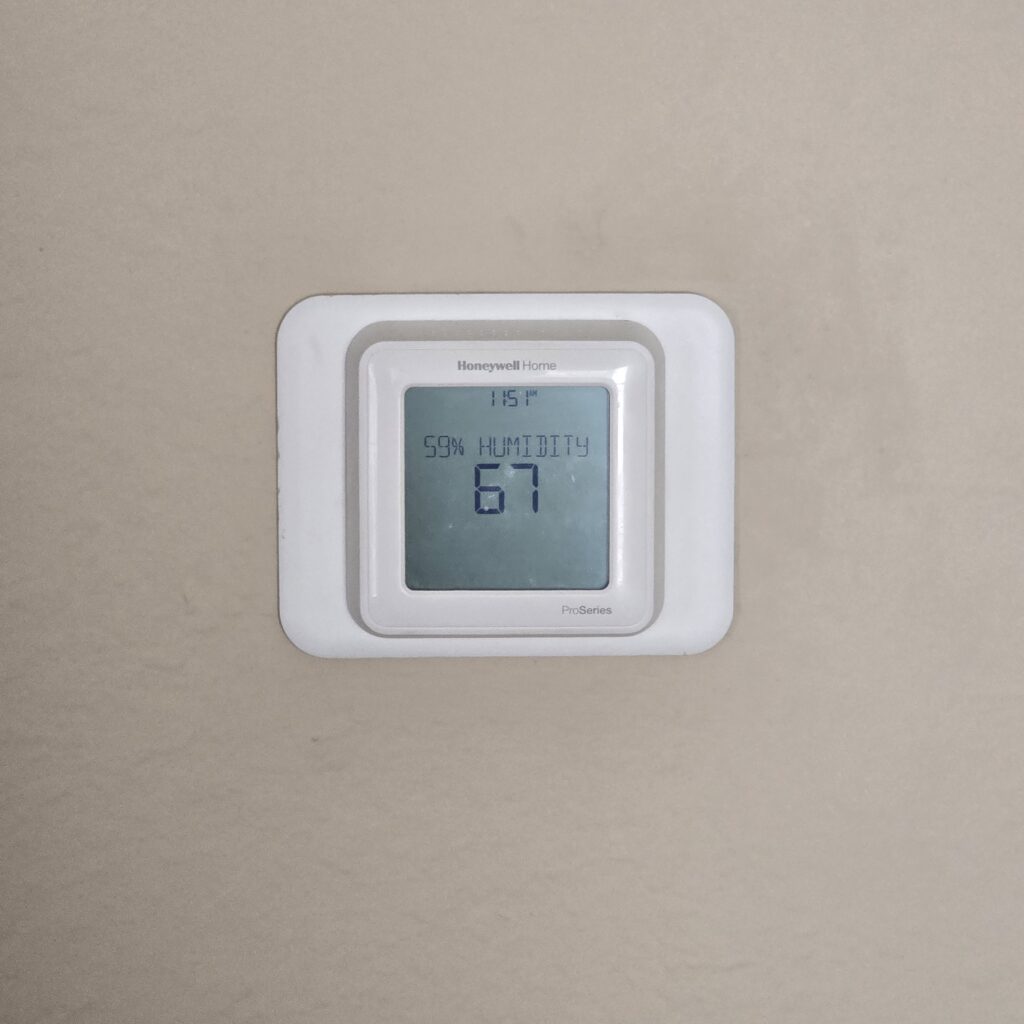
If the thermostat fails to close that circuit, the contactor never engages. The outdoor unit sits perfectly still and silent. To the average homeowner, this looks like a dead unit. You might think the motor has burned out or the breaker has tripped. In reality, the equipment is waiting for a command that never comes. The reverse is also true. If the thermostat gets stuck in the closed position, it will send a continuous signal to the unit. The air conditioner will run non stop until it freezes up into a block of ice. A frozen unit is a mechanical failure caused entirely by a control issue. The components are doing exactly what they are told to do, but they are being told to do the wrong thing.
The complexity of modern thermostats adds another layer to this dynamic. Old mercury thermostats were simple mechanical switches. Today, digital and smart thermostats are small computers. They have software, firmware, and internal logic boards. Just like a laptop or a smartphone, they can glitch or crash. A software error in a smart thermostat can stop the system from running just as effectively as a broken wire. These devices monitor runtime, humidity, and even local weather data. If the internal logic fails, the device might lock out the system for safety reasons that do not actually exist.
Power Supply and Battery Problems
One of the most common reasons a thermostat stops working is a lack of power. Many standard digital thermostats run on batteries. When these batteries die, the screen goes blank and the connection to the HVAC system is severed. It seems incredibly simple, but a dead battery is responsible for a surprising number of emergency service calls. If the batteries are weak, the screen might still display numbers, but the device might not have enough power to send the signal to the relays. The system might short cycle, turning on and off rapidly, which sounds like a failing compressor.
Hardwired thermostats rely on power from the furnace or air handler transformer. This is supplied through a dedicated wire, usually known as the C wire or common wire. If the transformer inside your furnace burns out, the thermostat loses power. The screen goes black and the AC turns off. In this scenario, the failure is inside the HVAC unit, but the symptom is a dead thermostat. A technician must use a multimeter to trace the voltage. If they find 24 volts leaving the transformer but zero volts arriving at the thermostat, they know the wire is broken somewhere in the wall.
Corrosion on the battery terminals can also mimic a system failure. If old batteries leak acid inside the thermostat, the metal contacts corrode. This creates resistance that blocks the flow of electricity. You might put fresh batteries in, but the unit still will not turn on. The homeowner sees a dead system and assumes the worst. Cleaning the terminals or replacing the thermostat resolves the issue instantly. It is a reminder that the smallest component in the system has the power to shut down the entire operation.
Calibration and Temperature Inaccuracies
Your comfort depends on the thermostat reading the room temperature accurately. Inside the plastic housing, there is a sensor usually made of a thermistor or a bimetal strip. This sensor measures the sensible heat in the air. Over time, these sensors can drift out of calibration. If the sensor reads the room as 72 degrees when it is actually 78 degrees, the air conditioner will not turn on. You will feel hot and sticky. You might put your hand up to the vent and feel nothing. You assume the AC is broken because it is ignoring the heat.
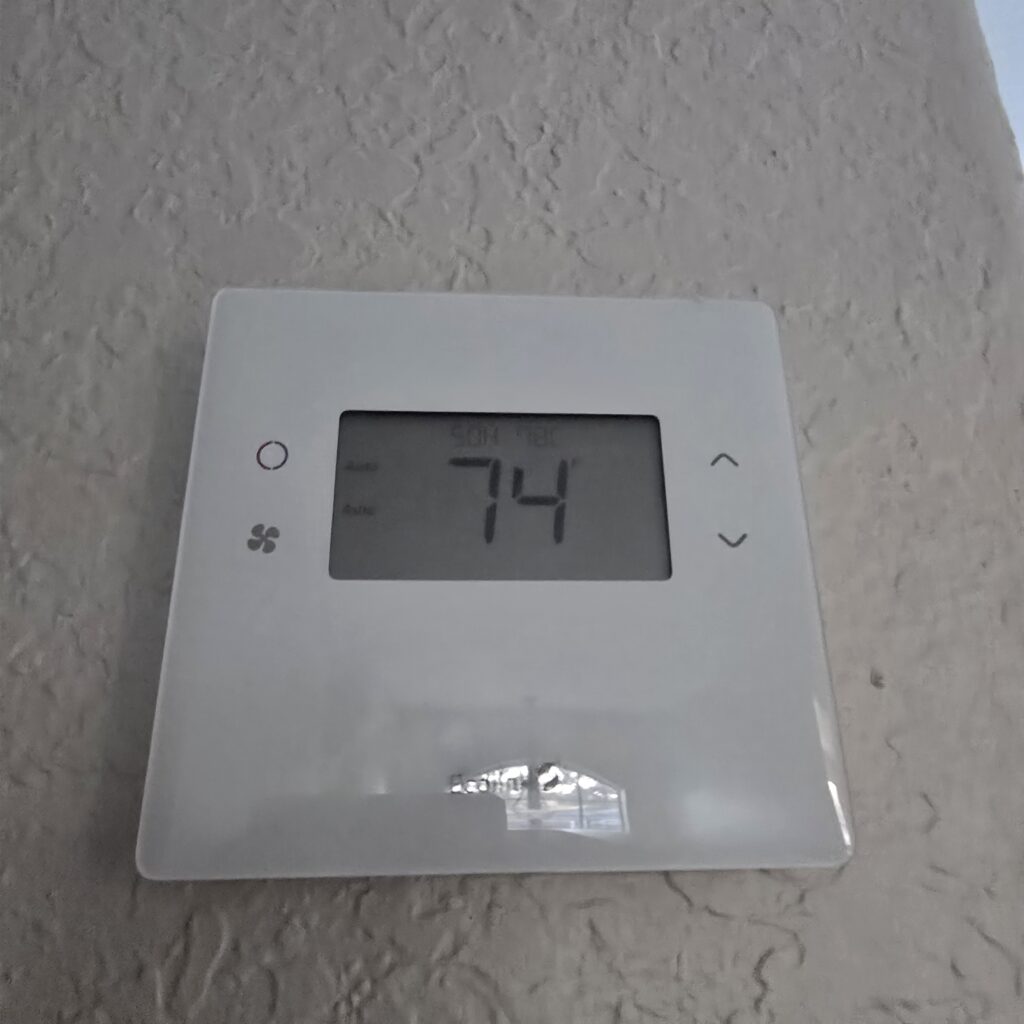
The placement of the thermostat affects this reading significantly. A thermostat located near a kitchen often reads artificially high when you are cooking. It will run the AC continuously, making the bedrooms freezing cold. Conversely, a thermostat located in a hallway with a drafty return air vent might read cooler than the living space. It will shut the system off prematurely. This results in high humidity and warm rooms. This behavior mimics a system that is undersized or low on refrigerant. The unit is running, but it is not satisfying the comfort needs of the home.
Ghost readings can also occur due to internal heat. Some older digital thermostats generate a small amount of heat from their own electronics. If the vents on the thermostat cover are blocked by dust, that heat gets trapped. The sensor reads the internal temperature of the device rather than the air in the room. This causes the AC to run excessively. A system that runs without stopping is often misdiagnosed as having a stuck contactor. In truth, the thermostat thinks the room is hot because it is hot inside its own casing.
Wiring Degradation and Shorts
The wires that connect your thermostat to the furnace and outdoor unit are thin and fragile. They run through the walls, up into the attic, and out to the condenser. In the attic, these wires are exposed to extreme heat and pests. Mice and squirrels are notorious for chewing on low voltage wiring. If a rodent chews through the red wire, which carries the power, the entire system shuts down. If they chew through the yellow wire, which controls the cooling, the fan will blow but the outdoor unit will not run. This blows warm air and mimics a compressor failure.
A short circuit happens when two exposed wires touch each other. If the wire for the heat touches the wire for the cooling, the system might try to run the furnace and the air conditioner at the same time. This is a catastrophic conflict. The system will make loud noises and likely trip a breaker. A homeowner hearing these noises will assume the unit has suffered a major mechanical breakdown. Finding the location of the short can be difficult, but repairing the wire is much cheaper than replacing the equipment.
Vibration can also loosen the connections on the back of the thermostat subbase. The subbase is the plate mounted to the wall where the wires are screwed in. If a screw is loose, the wire might make intermittent contact. The AC will turn on for five minutes, then shut off, then turn back on. This short cycling is terrible for the compressor. It causes the motor windings to overheat. While the symptom is mechanical stress, the root cause is a loose screw in the hallway. Tightening the connections restores normal operation and protects the compressor from further damage.
Incompatibility and Configuration Errors
The rise of smart thermostats has introduced a new category of problems related to compatibility. Homeowners often buy a new thermostat online and install it themselves. If the new thermostat is not compatible with the specific type of heating system in the home, chaos ensues. For example, a heat pump requires a specific setting to control the reversing valve. If the thermostat is configured for a conventional gas furnace, it will energize the reversing valve at the wrong time. You might turn on the AC and get hot air. This makes the homeowner think the refrigerant cycle has failed.
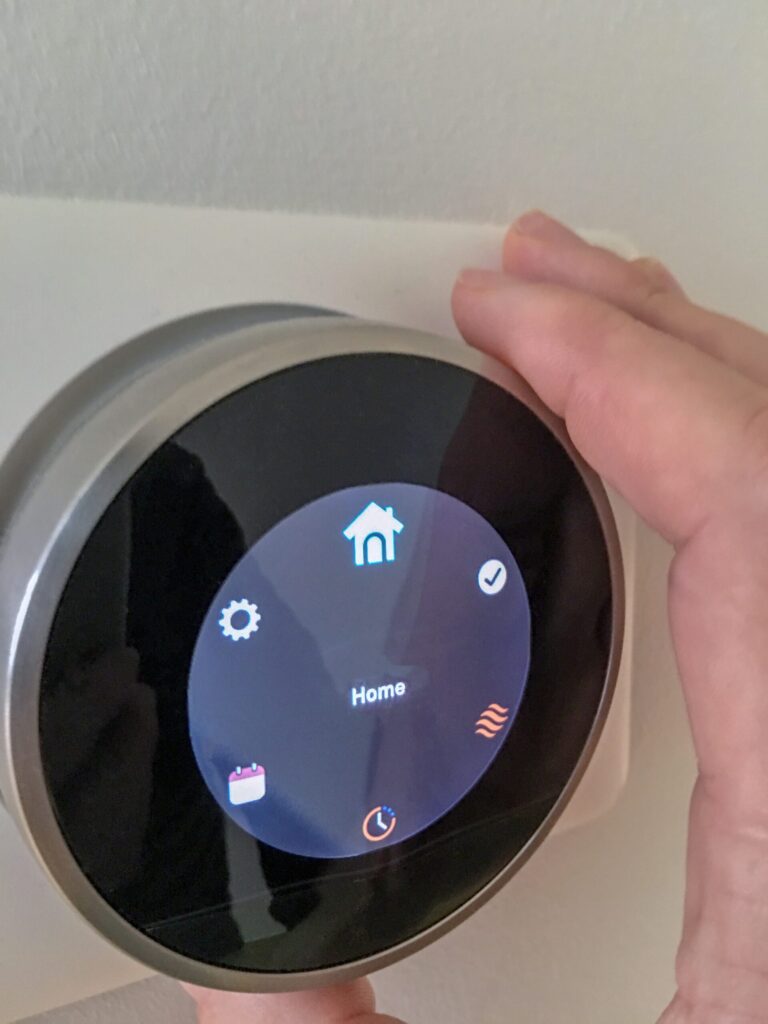
Multistage equipment adds another layer of complexity. High efficiency systems often have two stages of cooling and heating. The thermostat must be wired and programmed to handle these stages. If it is wired incorrectly, the system might never kick into high gear on the hottest days. The house will remain warm and the unit will run constantly. This looks exactly like a system that has lost its refrigerant charge. The unit lacks capacity, but not because of a leak. It lacks capacity because the brain is only using half of the available muscle.
DIP switches on the circuit board of the thermostat allow for manual configuration. If these switches are bumped or set incorrectly during installation, the fan logic changes. Gas furnaces require the furnace to control the fan, while electric heat requires the thermostat to control the fan. If this is mixed up, the fan might not turn on when the heat engages. The furnace will overheat and shut down on a high limit switch. The homeowner sees the furnace turn on and then immediately turn off. This looks like a bad flame sensor or a blocked flue, but it is purely a settings error.
The “Fan On” vs “Auto” Trap
One of the simplest behavioral issues that mimics a broken AC is the fan setting. The thermostat has a switch for the fan with two main options which are “On” and “Auto”. When set to “Auto”, the fan only runs when the cooling or heating is active. When set to “On”, the fan runs continuously, 24 hours a day. If the outdoor unit cycles off because the temperature is satisfied, the indoor fan keeps blowing. It circulates room temperature air. This air feels warm compared to the conditioned air.
Homeowners often switch the fan to “On” by mistake or in an attempt to filter the air. When they feel warm air coming out of the vents, they panic. They assume the compressor has stopped working while the fan is still running. This is a classic symptom of a capacitor failure or a compressor thermal overload. We receive many calls for “AC blowing warm air” that turn out to be this simple switch setting. Moving the switch back to “Auto” stops the continuous airflow and allows the homeowner to feel the cold air only when the cycle is active.
This continuous fan operation also increases humidity. When the compressor turns off, the evaporator coil is still wet and cold. If the fan keeps running, it evaporates that moisture and blows it back into the house. The humidity rises and the house feels muggy. The homeowner thinks the AC is not dehumidifying because it is broken. In reality, the AC is working fine, but the fan setting is undoing the work of the dehumidification process.
The complexity of a modern HVAC system means that problems can originate from many different sources. While the outdoor condenser and the indoor air handler are the workhorses, they are entirely dependent on the instructions they receive from the thermostat. A silent unit, warm airflow, or short cycling are all terrifying symptoms for a homeowner in Longview. It is natural to fear the worst and expect a large repair bill. However, a significant percentage of these issues can be traced back to the control circuit. Dead batteries, loose wires, and bad sensors can all perfectly mimic a catastrophic mechanical failure.
R.C.’s A/C Reliable Climate believes in a thorough diagnostic process. We do not just look at the symptoms; we trace the problem to its root cause. We check the voltages, inspect the wiring, and verify the calibration of your thermostat before we ever condemn a compressor or motor. This commitment to accuracy ensures that you never pay for a repair you do not need. If your system is acting up, do not assume the worst. Call us to inspect the entire system, from the thermostat on the wall to the unit in the yard. We will find the truth and restore your comfort with honesty and reliable workmanship.