
Winter HVAC Maintenance Tips for East Texas Homes
East Texas winters are famous for their unpredictability. One day might bring sunshine and temperatures in the seventies, while the next delivers a biting north wind and freezing rain. This fluctuation creates a unique challenge for homeowners in Longview and the surrounding areas. The heating and cooling system does not get a true off season. It must be ready to switch from cooling to heating at a moment’s notice. Because the winters are generally mild compared to northern states, it is easy to become complacent about heating maintenance. Many residents assume that because they only use their heater for a few months, it does not require attention. This assumption often leads to breakdown during the few critical days when the temperature drops below freezing. Ensuring your system is ready for these extremes is a matter of safety as much as comfort.
Preparing your home for winter involves more than just swapping a thermostat setting. The machinery that generates warmth, whether it is a gas furnace or an electric heat pump, contains complex components that degrade over time. Dust, rust, and wear can compromise the efficiency and safety of the unit. A system that has sat idle since last February may have developed issues that will only reveal themselves when you need heat the most. Taking the time to perform basic maintenance tasks and scheduling a professional inspection can prevent the stress of a mid winter emergency. A well maintained system runs quieter, uses less energy, and provides a more consistent temperature throughout the home.
The Importance of Clean Air Filters in Winter
The air filter is often associated with air conditioning efficiency, but it plays an equally vital role in the heating cycle. During the winter, your family likely spends more time indoors. This increased indoor activity generates more dust, pet dander, and lint. The heating system circulates this air constantly. If the filter is clogged, the furnace or air handler must struggle to pull air through the resistance. This restriction causes the internal components to overheat. In a gas furnace, restricted airflow can cause the heat exchanger to reach dangerous temperatures. The system limits will trip and shut the unit down to prevent a fire. This results in the heater cycling on and off rapidly without ever warming the house effectively.
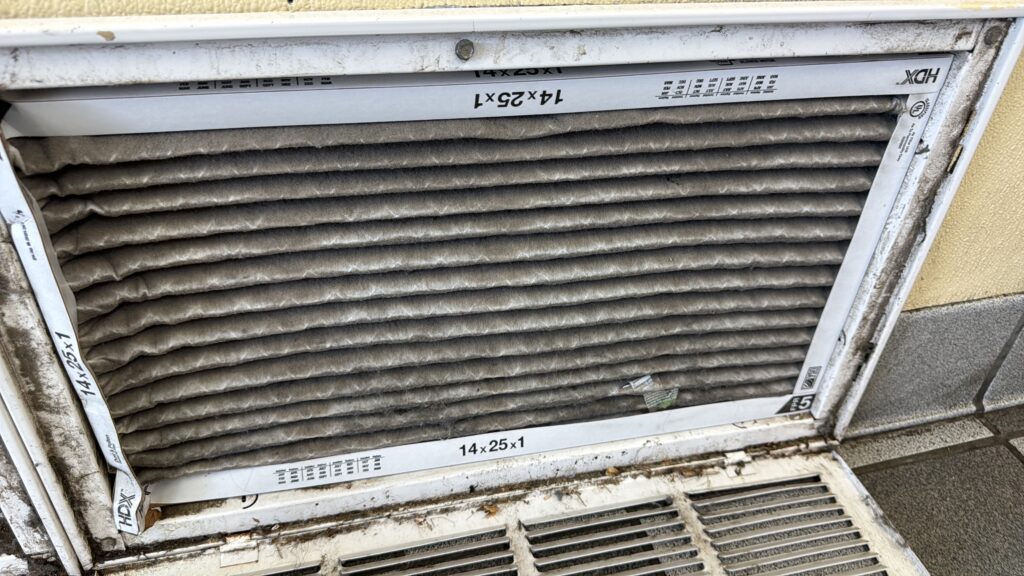
For heat pumps, airflow is critical for the heat exchange process. A dirty filter prevents the system from delivering the warm air you need. It also forces the auxiliary heat strips to come on more frequently. These electric resistance strips are expensive to run. You want your heat pump to do the majority of the work using its efficient refrigeration cycle. A clogged filter handicaps that efficiency and hits your wallet directly. Checking the filter once a month during the heating season is a simple habit that protects the equipment. It is better to replace a cheap filter than to replace a burnt out blower motor caused by years of strain.
Managing the Outdoor Unit Environment
Homeowners with heat pumps must pay special attention to their outdoor condenser units during the winter. In the summer, the unit releases heat. In the winter, it absorbs heat. For this absorption to happen, air must flow freely over the outdoor coil. East Texas is known for its pine trees and deciduous foliage. Autumn often leaves a layer of leaves and pine needles piled up around the base of the unit. If this debris is not cleared away, it blocks the intake of air. The system starves for heat energy. This forces the compressor to work harder and drives up the head pressure. Clearing a two foot perimeter around the unit allows it to breathe and function as designed.
Ice accumulation is another factor to watch. Heat pumps naturally develop a layer of frost on the outdoor coil when it is cold and humid. The system has a built in defrost cycle to melt this ice. However, if the unit is blocked by snow, ice, or leaves, the defrost cycle may not be effective. A unit encased in ice cannot transfer heat. It will eventually shut down or suffer mechanical damage. You should inspect the unit periodically during freezing weather to ensure it is clear. If you see heavy ice buildup that does not melt after a defrost cycle, it indicates a problem that requires professional attention. keeping the outdoor unit clear ensures that you get the most efficient heating possible from the ambient air.
Gas Furnace Safety and Inspection
For homes that rely on natural gas or propane, safety is the paramount concern. Combustion heating produces carbon monoxide as a byproduct. A properly functioning furnace vents this deadly gas safely out of the roof. However, cracks in the heat exchanger or blockages in the flue pipe can allow the gas to leak into your living space. The heat exchanger is a metal chamber that separates the burning gas from the air you breathe. Over years of heating and cooling, the metal expands and contracts. This thermal stress can eventually cause cracks to form. A visual inspection by a qualified technician is the only way to verify the integrity of this component.
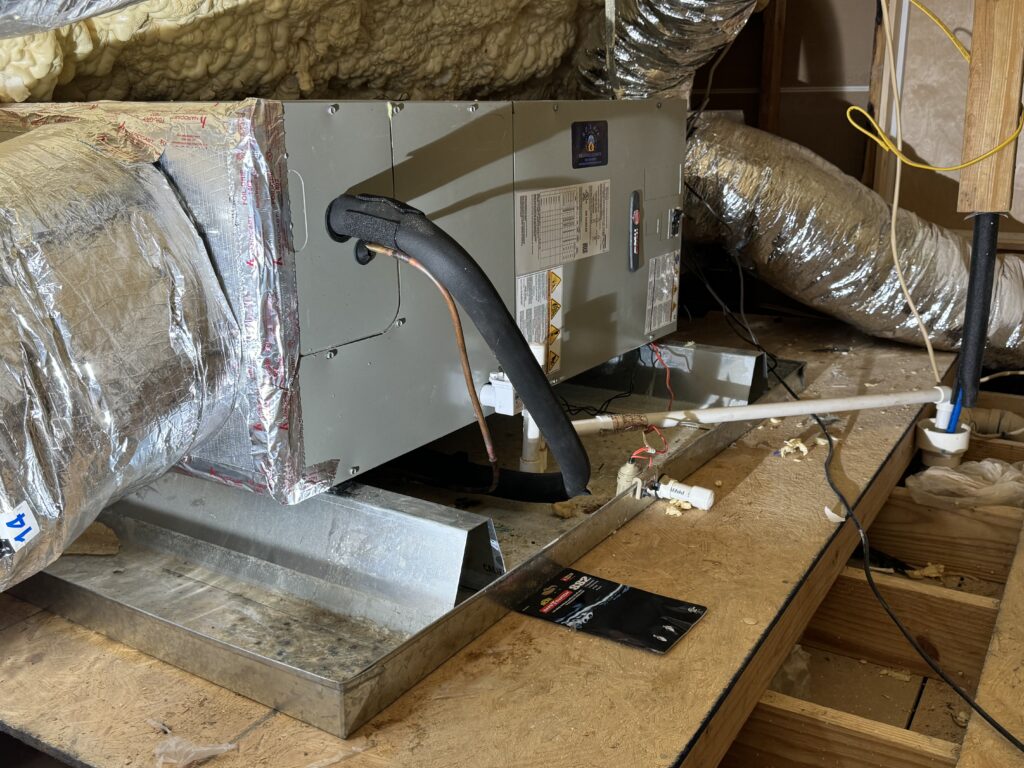
The color of the burner flame is another indicator of safety and efficiency. A steady blue flame indicates clean and complete combustion. If the flame is yellow or flickering, it suggests that the gas is not burning efficiently. This could be due to dirty burners or an improper fuel to air mixture. Incomplete combustion produces higher levels of carbon monoxide and soot. This soot can clog the flue passage and create a dangerous backdraft. Carbon monoxide detectors should be installed near every sleeping area and tested regularly. They are the last line of defense against a silent killer. Prioritizing the health of the combustion system ensures that your family stays warm without risk.
Understanding Heat Pump Defrost Cycles
Many new homeowners in East Texas are unfamiliar with the sights and sounds of a heat pump in winter. When the system enters a defrost cycle, it can be alarming if you do not know what is happening. The outdoor fan will stop spinning, but the compressor will continue to run. You might hear a loud “whoosh” sound as the reversing valve shifts. Steam may rise from the outdoor unit as the ice melts. This is completely normal operation. It is not smoke and the unit is not on fire. The system is simply reversing the flow of refrigerant to heat up the outdoor coil and melt the frost.
During this cycle, the system often turns on the auxiliary heat strips inside the house to ensure that cold air does not blow out of the vents. Once the sensors detect that the outdoor coil is warm enough, the system switches back to normal heating mode. Problems arise when the sensors fail or the reversing valve sticks. If the unit stays in defrost too long, it wastes energy. If it never enters defrost, the outdoor coil turns into a block of ice. Understanding the rhythm of your system helps you identify when something is truly wrong versus when it is just doing its job. Recognizing these normal behaviors prevents unnecessary panic and service calls.
Thermostat Strategies for Efficiency
How you manage your thermostat significantly impacts your winter energy bills. The instinct to crank the heat up to eighty degrees when you walk into a cold house is counterproductive. Heating systems run at a constant speed. Setting the temperature higher does not make the house warm up faster. It only makes the system run longer. For heat pumps, drastic temperature changes can be expensive. If you raise the setting by more than two degrees at a time, many thermostats will trigger the auxiliary heat strips to help close the gap. This uses significantly more electricity than the heat pump alone.
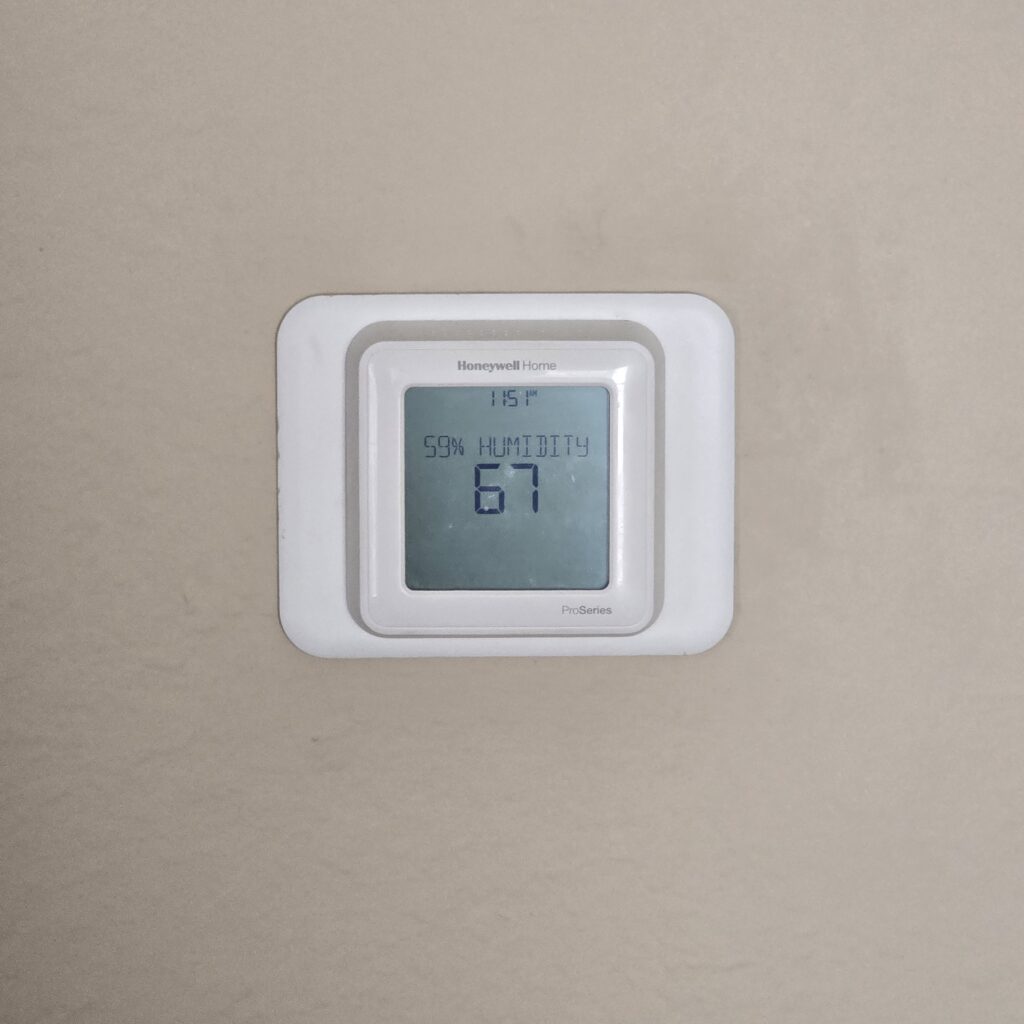
A strategy of “set it and forget it” is often best for heat pumps during cold snaps. Finding a comfortable temperature, such as sixty eight or seventy degrees, and leaving it there allows the system to maintain equilibrium. If you prefer to lower the temperature at night, do so in small increments. Smart thermostats can be programmed to handle these transitions efficiently. They can learn how long it takes your home to recover and start the heating process early to avoid using the expensive backup heat. Consistent operation is easier on the equipment and lighter on the wallet. Avoiding the urge to micromanage the temperature helps the system operate in its most efficient stage.
Sealing Leaks and Controlling Humidity
The thermal envelope of your home is the container for the heat you are paying to generate. If that container leaks, your heater is working overtime to warm the neighborhood. Drafty windows and doors are common culprits in older Longview homes. Cold air infiltrates through gaps in the caulking and weatherstripping. This cold draft makes you feel chilly even if the thermostat reads seventy degrees. You end up turning the heat up higher to compensate. Sealing these gaps with simple hardware store supplies stops the infiltration. It keeps the warm air in and the cold air out.
Humidity control is also a factor in winter comfort. Cold air is naturally dry, but the winters in East Texas can still be damp. However, running the heater dries out the air inside the home. Low humidity can cause dry skin, static electricity, and respiratory irritation. It also makes the air feel colder than it actually is. Moist air holds heat better than dry air. Maintaining a moderate humidity level allows you to feel comfortable at a lower temperature setting. If the air in your home is too dry, portable humidifiers or a whole home humidifier can improve comfort. Conversely, if your home is too humid due to leaks, it can feel clammy. Balancing the humidity is a subtle but effective way to improve the performance of your heating system.
Winter in East Texas may not bring blizzards, but it brings a specific set of challenges for residential HVAC systems. The combination of humidity, freezing nights, and mild days requires equipment that is versatile and well maintained. Ignoring the heating system because of the short winter season is a gamble that often leads to discomfort and expense. From checking the safety of gas burners to clearing leaves from a heat pump, the small tasks add up to significant reliability. A warm home is the center of family life during the holidays and the cold months of the new year.
RC’s A/C Reliable Climate is dedicated to ensuring that your home remains safe and comfortable regardless of the forecast. We understand the specific needs of local homes and the nuances of the equipment that serves them. Our team provides thorough inspections that catch small issues before they become major breakdowns. We verify the safety of your gas appliances and the efficiency of your electric heat pumps. Partnering with a licensed professional for your winter maintenance gives you the peace of mind to enjoy the season. Do not wait for the first freeze warning to think about your heater. Schedule your maintenance today and trust your comfort to the reliable experts.