
What Causes High Energy Bills in Texas Homes
Living in Texas means accepting that electricity costs will fluctuate with the seasons. The arrival of summer brings a predictable spike in utility expenses as air conditioners roar to life across Longview and the surrounding communities. However, there is a difference between a normal seasonal increase and a bill that leaves you in shock. Many homeowners assume that high energy costs are simply the price of living in a hot climate. They pay the bill and hope for a cooler month ahead without realizing that their home is actively wasting money. Understanding the root causes of excessive energy consumption is the first step toward regaining control of your budget. The efficiency of a home is a complex equation involving the mechanical systems, the physical structure, and the habits of the occupants. When one variable is out of balance, the electric meter spins faster than necessary.
Identifying the specific culprit requires looking beyond the thermostat setting. A high electric bill is often the symptom of multiple small inefficiencies working together. It might be a combination of an aging air conditioner, leaky ductwork, and poor insulation. In other cases, it is a single major failure that has gone unnoticed. The goal is to view the home as a complete system where every component affects the others. The heat from the attic impacts the ductwork. The humidity from the shower impacts the load on the cooling coil. Recognizing these connections helps homeowners prioritize improvements that yield real savings. It moves the conversation from complaining about rates to managing consumption through smart choices and maintenance.
The Impact of Aging and Inefficient Equipment
The most significant consumer of electricity in a Texas home is the heating and cooling system. It often accounts for more than half of the total energy usage during the peak summer months. As air conditioners age, they naturally lose efficiency. Internal components wear down and heat transfer surfaces become less effective. A unit that was installed fifteen years ago was likely built to a much lower efficiency standard than what is available today. The Seasonal Energy Efficiency Ratio, or SEER, measures how much cooling a system delivers for each watt of electricity it consumes. An old ten SEER unit uses significantly more power to do the same job as a modern sixteen SEER system. This technological gap directly translates to higher monthly costs.
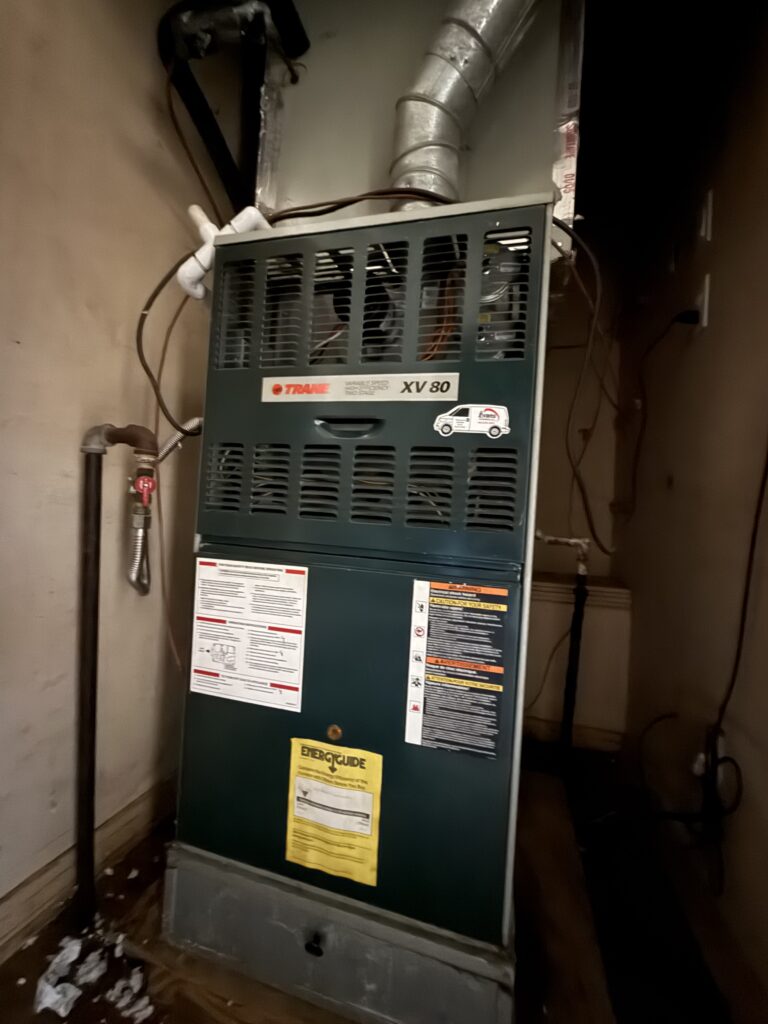
Wear and tear play a massive role in efficiency loss. As compressors age, the valves inside them can wear out, making them pump less refrigerant with each stroke. The motors that spin the fans may develop friction in the bearings. This friction requires the motor to draw more amperage to maintain speed. The homeowner typically does not notice these gradual changes because the house still feels cool. The system simply runs longer and works harder to maintain that comfort. It is like driving a car with underinflated tires. You can still get to your destination, but you are burning more gas to get there.
Sizing issues also contribute to inefficiency. A system that is too small for the home will run continuously on hot days. It never shuts off because it can never quite reach the set temperature. This continuous operation maximizes energy consumption. Conversely, a system that is too large will turn on and off rapidly. This short cycling is incredibly wasteful because the startup phase of the AC cycle uses the most power. An oversized unit cools the air too fast but fails to remove humidity, leading to discomfort and energy waste. Ensuring your equipment is properly sized and functioning at its peak is essential for keeping bills reasonable.
Poor Insulation and Envelope Leaks
Your home is a container for conditioned air. The efficiency of your AC system depends heavily on how well that container holds the cold air in and keeps the hot air out. Insulation acts as a thermal barrier. In many older East Texas homes, the insulation in the attic has settled or degraded over decades. Modern building codes require much higher R-values than were standard twenty or thirty years ago. If your attic insulation is thin or uneven, the heat from the roof radiates down into your living space. Your air conditioner has to fight this constant influx of heat. It is a battle that the AC can win, but the cost is high.
Air leaks act as punctures in the thermal envelope. Every gap around a window, door, or electrical outlet allows air transfer. In the summer, hot outdoor air infiltrates the home, and expensive cool air leaks out. This exchange forces the HVAC system to condition more air than should be necessary. You are effectively trying to cool the yard. These leaks are often invisible to the naked eye. They occur around plumbing penetrations under sinks, around recessed lighting fixtures in the ceiling, and through gaps in the weather stripping.
The cumulative effect of these small leaks is substantial. It is equivalent to leaving a window open all day. The problem is exacerbated by pressure imbalances in the home. If a room is pressurized by the AC, it pushes cool air out through the cracks. If a room is depressurized, it sucks hot, humid air in from outside. Sealing the envelope with caulk and spray foam is a labor intensive but cost effective way to stop this energy bleed. A tight home allows the insulation to perform correctly and reduces the workload on the mechanical systems.
Leaks in the Ductwork System
The ductwork is the delivery system for your comfort. It transports the air from the unit to the rooms. In many homes, these ducts run through the attic, which is the hottest part of the house. If there are holes or disconnected joints in the ducts, you face a double penalty. First, you lose the air you just paid to cool. It escapes directly into the superheated attic. Second, leaks on the return side of the system suck hot attic air into the cooling stream. This 140 degree air mixes with the air from your house and overwhelms the evaporator coil. The system struggles to drop the temperature, resulting in long run times and high bills.
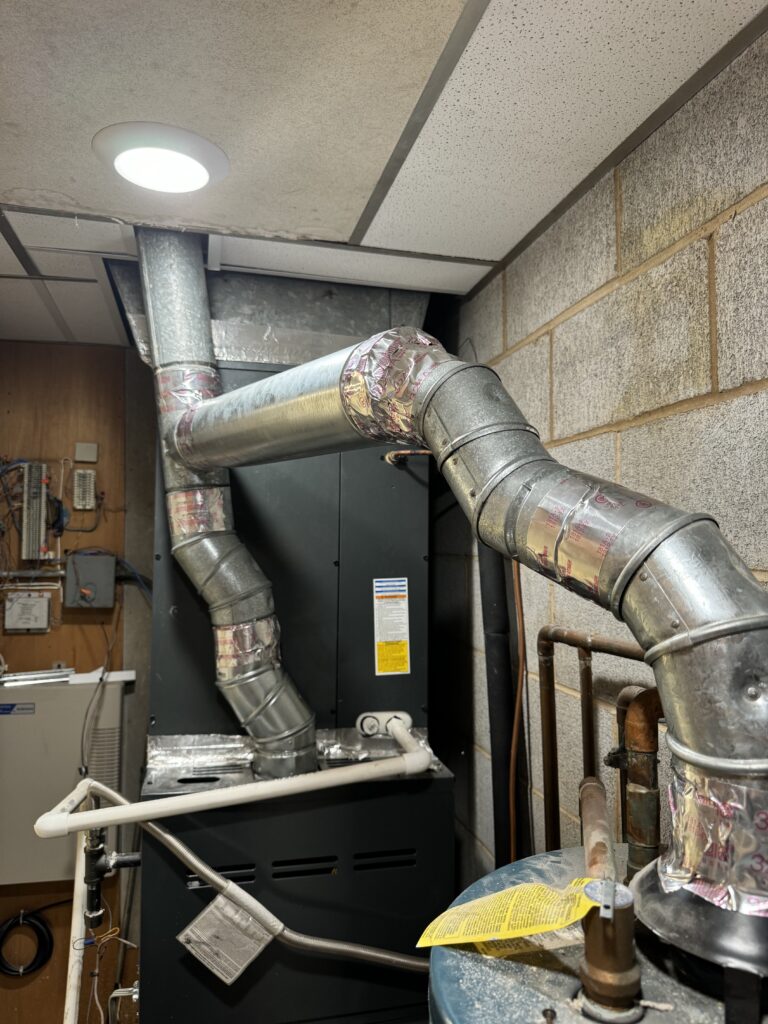
Duct design plays a role as well. Ducts that are kinked, crushed, or undersized restrict airflow. The blower motor has to work against this high static pressure. Variable speed motors will ramp up to overcome the resistance, drawing more power. Standard motors will simply move less air, reducing the efficiency of the heat exchange process. Over time, the tape and mastic used to seal ducts can dry out and fail. This is common in older homes where maintenance has been neglected.
A compromised duct system can waste thirty percent or more of the cooling energy. That is thirty cents of every dollar spent on cooling simply vanishing before it ever reaches a vent. Identifying these leaks often requires a professional inspection or a duct blast test. Fixing them is one of the most effective ways to lower energy bills immediately. It ensures that every bit of cooling produced by the unit is delivered to the living space where it belongs.
Neglected Maintenance and Dirty Coils
An air conditioner cannot maintain its efficiency without regular care. The outdoor condenser coil is exposed to the elements. It collects dirt, grass clippings, pollen, and leaves. This debris forms a layer over the metal fins that blocks airflow. The system relies on this airflow to release the heat absorbed from your home. When the coil is dirty, the heat is trapped inside the refrigerant. The compressor has to pump against higher pressures to do its job. This causes the amperage draw of the unit to spike. A dirty unit can consume significantly more electricity than a clean one while providing less cooling.
The indoor evaporator coil is equally critical. If the air filter is bypassed or not changed frequently enough, dust builds up on the indoor coil. This dust acts as an insulator. It prevents the cold refrigerant from absorbing heat from the air. The system has to run for longer cycles to achieve the same temperature drop. In severe cases, a dirty indoor coil can cause the system to freeze up entirely. The ice blocks airflow completely, leading to zero cooling and potential damage to the compressor.
Neglect extends to the internal components as well. A capacitor that is drifting out of tolerance can cause the motors to run hot and inefficiently. A contactor with pitted surfaces can cause voltage drops that strain the compressor. Routine maintenance catches these small issues before they become energy hogs. It includes cleaning the coils, checking refrigerant levels, and verifying electrical performance. Homeowners who skip annual tune ups often pay for it in the form of higher monthly bills.
Thermostat Habits and Mismanagement
The way a homeowner uses the thermostat has a direct impact on energy consumption. Setting the temperature lower than necessary is a common habit in Texas. For every degree you lower the thermostat below seventy eight degrees, the cooling costs increase by a measurable percentage. Many people treat the thermostat like a throttle, cranking it down to sixty five to try and cool the house faster. The system runs at the same speed regardless of the setting. This practice only ensures the unit runs longer and overcools the space, wasting energy.
Failing to adjust the temperature when the house is empty is another source of waste. Cooling an empty house to seventy two degrees all day while everyone is at work is unnecessary. Programmable or smart thermostats can solve this issue by automatically raising the temperature when you leave and lowering it before you return. This setback strategy reduces the total number of run hours per day. Even a few degrees of setback can result in significant savings over the course of a summer.
The fan setting on the thermostat is also frequently misused. Leaving the fan in the “on” position means the blower runs twenty four hours a day. While this circulates air, it also consumes electricity constantly. More importantly, it reintroduces humidity into the air. When the compressor shuts off, the indoor coil is wet. If the fan keeps running, it evaporates that moisture and blows it back into the house. The AC then has to work harder to remove that humidity again. Keeping the fan on “auto” is generally the most efficient choice for our humid climate.
Solar Heat Gain through Windows
Windows are the weakest link in the thermal envelope of a home. They offer very little resistance to heat transfer compared to an insulated wall. In Texas, the sun beats down on the glass and heats up the interior of the home through radiant heat transfer. This solar gain can raise the temperature of a room by several degrees in a matter of minutes. The air conditioner has to fight this added heat load. Homes with large, west facing windows are particularly vulnerable to this effect in the late afternoon.

Single pane windows are common in older construction and offer almost no insulation value. Even double pane windows can be a source of heat if they lack low emissivity coatings. The frame material also matters. Aluminum frames conduct heat readily, while vinyl or wood frames are better insulators. Replacing windows is an expensive upgrade, but there are cheaper ways to mitigate solar gain.
Solar screens are a popular solution in Longview. These heavy mesh screens block a significant percentage of the sun’s energy before it hits the glass. Interior blinds and curtains help, but they stop the heat after it has already entered the room. Shade trees planted on the south and west sides of the house can provide natural blocking of the sun. Keeping the sun off the glass is the most effective way to reduce the load on the AC during the hottest part of the day.
High Indoor Humidity Levels
Texas is known for its humidity. Moisture in the air holds heat more effectively than dry air. This means that humid air feels warmer and takes more energy to cool down. An air conditioner acts as a dehumidifier as part of its cooling process. However, if the humidity load in the house is too high, the system may struggle to keep up. High humidity makes seventy five degrees feel like eighty degrees. This prompts the homeowner to lower the thermostat setting to get comfortable, which uses more energy.
Sources of indoor humidity include cooking, showering, and simply breathing. Leaky return ducts that pull in humid attic air are a major contributor. If the AC unit is oversized, it will cool the air quickly but shut off before it has had time to remove the moisture. This results in a cold, clammy environment. The homeowner feels uncomfortable despite the low temperature and continues to lower the setting.
Using exhaust fans in the kitchen and bathroom helps remove moisture at the source. Ensuring the AC system is properly sized and running long enough cycles is critical for latent heat removal. In some cases, a whole home dehumidifier may be necessary to control moisture independently of the cooling system. Keeping humidity in check allows you to set the thermostat higher while still feeling cool, which is a key strategy for energy savings.
High energy bills are rarely caused by a single factor. They are the result of a complex interaction between the equipment, the home, and the people living in it. The harsh Texas climate exposes every weakness in this system. An inefficient AC unit, combined with leaky ducts and poor insulation, creates a perfect storm for energy waste. Add in the intense solar heat gain and the natural humidity of the region, and it becomes clear why electricity meters spin so fast in the summer. However, this does not mean high bills are inevitable.
Homeowners have the power to influence these factors. Regular maintenance is the foundation of efficiency. Keeping coils clean and filters fresh allows the equipment to perform at its best. Addressing structural issues like insulation and duct leaks stops the loss of expensive conditioned air. Adjusting thermostat habits and managing solar gain reduces the overall workload on the system. R.C.’s A/C Reliable Climate is dedicated to helping residents of Longview identify these inefficiencies. We believe that an informed homeowner can make smart decisions that improve comfort and reduce costs. By taking a comprehensive approach to home efficiency, you can turn your home into a cool sanctuary without breaking the bank.