
Do I Need A Furnace Living In Texas For The Winter?
Texas is globally recognized for its scorching summers and intense humidity. The sheer length of the cooling season in Longview often creates a mindset where air conditioning is the only priority. Homeowners frequently view their heating system as an afterthought or a redundant appliance that sits idle for most of the year. It is easy to assume that a thick sweater and a few blankets are enough to survive the brief chilly spells of an East Texas winter. This assumption can lead to significant discomfort and even danger when the weather patterns shift. While the winter season is short compared to the summer, the temperature drops can be severe and sudden. A reliable heating system is not just a luxury for the privileged. It is a fundamental component of a safe and functional home infrastructure. Ignoring the necessity of a furnace leaves your property vulnerable to freezing pipes and your family exposed to potential health risks during a cold snap.
The climate in East Texas is classified as humid subtropical, which generally implies mild winters. However, historical data and recent weather events prove that this region is susceptible to arctic blasts. These cold fronts can plunge temperatures well below freezing for days at a time. When the mercury drops into the teens or single digits, a home without a central heating source loses heat rapidly. The insulation that keeps the cool air in during July works both ways, but it cannot hold back the cold forever without a heat source to replenish the thermal energy. Relying on space heaters is inefficient and poses a significant fire hazard. A central heating system, whether it is a gas furnace or an electric air handler, provides the consistent warmth needed to protect the structural integrity of your home and the health of its occupants.
Understanding the East Texas Climate
The weather in Longview is characterized by its variability. You might experience a sunny afternoon with temperatures in the seventies followed immediately by a night where the temperature drops near freezing. These rapid fluctuations put a unique strain on residential climate control systems. A system must be able to react quickly to these changes to maintain a stable indoor environment. While we do not experience the months of snow common in the northern states, we do experience ice storms and hard freezes. These events are often more disruptive here because our infrastructure is not built to handle them as robustly as northern cities.

Humidity plays a role in how we perceive cold. The high humidity levels in East Texas make the air feel damp and penetrating. A temperature of forty degrees here feels significantly colder than forty degrees in a dry climate like Arizona. This damp cold soaks into your bones and makes it difficult to get warm without active heating. A furnace does more than just raise the temperature. It dries the air slightly as it heats, creating a more comfortable and cozy environment. This conditioning of the air is essential for true comfort. Simply wearing layers of clothing cannot combat the clammy feeling of a cold, humid house.
The frequency of freezing temperatures dictates the necessity of a dedicated heater. While we may only have a few weeks of truly bitter cold, those weeks are critical. Water pipes located in attics or exterior walls rely on the ambient heat of the house to keep from freezing. If the interior of the home drops below fifty degrees, the risk of a burst pipe increases dramatically. The damage caused by a burst pipe can cost tens of thousands of dollars in repairs. A functioning furnace is your best insurance policy against this type of water damage. It ensures that the thermal envelope of the house remains warm enough to protect your plumbing system.
The Difference Between Heat Pumps and Furnaces
Homeowners often confuse the different types of heating systems available. In our area, the two most common options are gas furnaces and electric heat pumps. A gas furnace burns natural gas or propane to generate heat within a heat exchanger. A blower motor then pushes air over this hot metal exchanger and distributes it through the ducts. This process creates distinctively hot air that warms a room quickly. Furnaces are powerful and effective regardless of the outdoor temperature. They do not rely on the outside air to generate heat. They simply consume fuel to produce it.
A heat pump is essentially an air conditioner that can run in reverse. In the summer, it absorbs heat from inside and rejects it outside. In the winter, it absorbs heat from the outdoor air and pumps it inside. This technology is incredibly efficient when temperatures are mild. However, as the outdoor temperature drops toward freezing, there is less heat energy available in the air to absorb. The heat pump has to work much harder to extract warmth. The air coming from the vents might feel lukewarm rather than hot.
When the temperature drops below a certain point, usually around thirty five degrees, a heat pump loses much of its efficiency and capacity. At this stage, it often requires a backup heat source. This is typically an electric resistance heater, also known as heat strips, located inside the air handler. These strips act like a giant toaster oven to warm the air. While effective, they are expensive to operate. A gas furnace avoids this issue entirely. It provides the same high heat output at twenty degrees as it does at fifty degrees. For homeowners with access to natural gas, a furnace is often the superior choice for comfort during deep freezes.
The Cost of Operation and Efficiency
Efficiency is a major factor when deciding on a heating system. Gas furnaces are rated by their Annual Fuel Utilization Efficiency or AFUE. A modern standard furnace is usually eighty percent efficient, meaning eighty percent of the gas is converted to heat and twenty percent is lost up the flue. High efficiency models can reach upwards of ninety eight percent efficiency. Natural gas is generally a cheaper energy source than electricity in many parts of Texas. This makes a gas furnace cost effective to run during the coldest parts of the year.
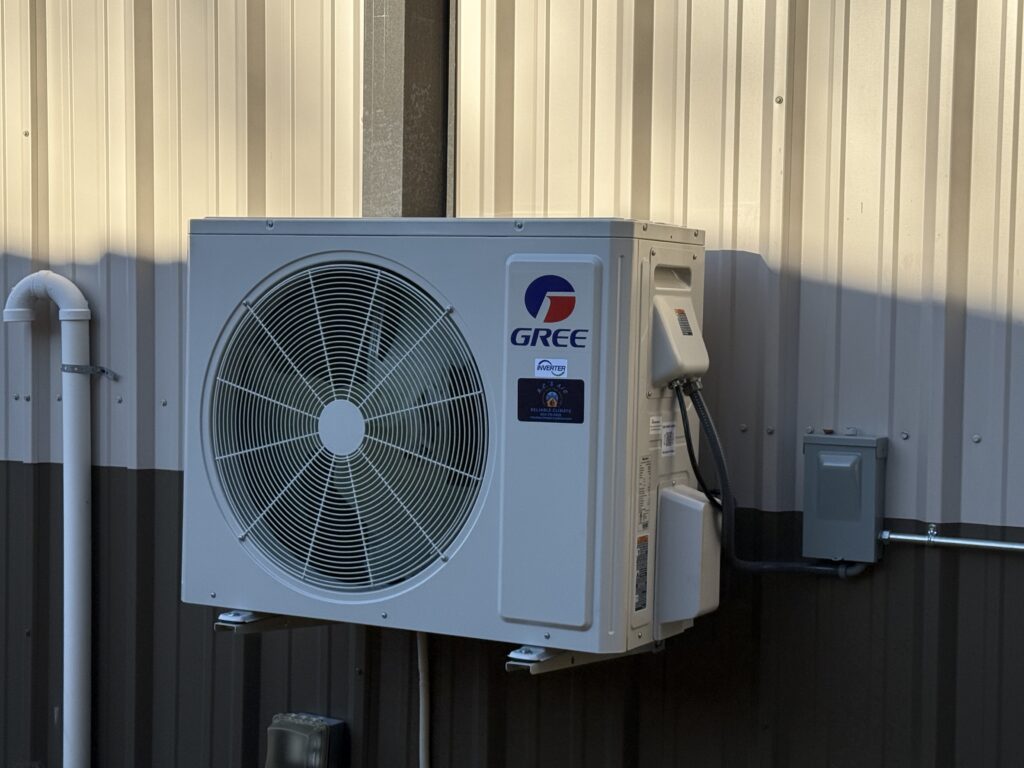
Electric heat pumps are rated by their Heating Seasonal Performance Factor or HSPF. They can be incredibly cheap to run when the weather is in the fifties. They move heat rather than creating it, which requires less energy. However, the equation changes when the backup electric heat strips engage. Electric resistance heat is one hundred percent efficient in terms of physics, but electricity is expensive per unit of energy compared to gas. Running your heat strips for days during a freeze can result in a shocking electric bill.
Homeowners without access to natural gas must rely on electric heating. In these cases, investing in a high performance heat pump is crucial. Modern inverter driven heat pumps can maintain their heating capacity at much lower temperatures than older models. This technology reduces the reliance on the expensive backup heat strips. Balancing the upfront cost of the equipment with the long term operating costs is a conversation you should have with a professional. R.C.’s A/C Reliable Climate can help you calculate the potential savings based on your specific fuel rates and usage patterns.
Safety Considerations for Heating Systems
Introducing a heating system into your home brings specific safety responsibilities. Gas furnaces involve the combustion of fossil fuels. This process produces carbon monoxide as a byproduct. A properly functioning furnace vents this colorless and odorless gas safely out of the roof. However, a cracked heat exchanger or a blocked flue pipe can allow carbon monoxide to leak into the living space. This is a life threatening situation. It is imperative that any home with gas appliances has working carbon monoxide detectors installed near the sleeping areas.
Regular maintenance is the primary way to ensure safety. A professional inspection includes checking the heat exchanger for cracks and verifying that the safety switches are operational. These switches are designed to shut the unit down if it overheats or if the flame rolls out of the burner box. Neglecting maintenance increases the risk of fire or gas leaks. Even if you only turn the furnace on ten times a year, it must be safe every single time.
Electric heating systems have their own safety concerns. The high amperage drawn by heat strips can overheat wiring if connections are loose. Dust accumulation on the heating elements can create a burning smell when the unit is first turned on for the season. While this “dirty sock” smell is usually harmless and burns off quickly, persistent burning smells indicate a problem. Keeping the area around your furnace or air handler clear of clutter is also vital. Storing boxes or flammable items too close to the unit creates a fire hazard.
Why Maintenance Is Necessary Even in Texas
There is a misconception that because we use our heaters less, they require less maintenance. In reality, the long periods of inactivity can be detrimental to the system. A furnace that sits dormant for nine months accumulates dust, spider webs, and rust. When you finally flip the switch on the first cold morning of November, you need it to ignite instantly. If the burners are dirty or the flame sensor is oxidized, the unit will fail to start. You will be left in the cold waiting for a repair technician.
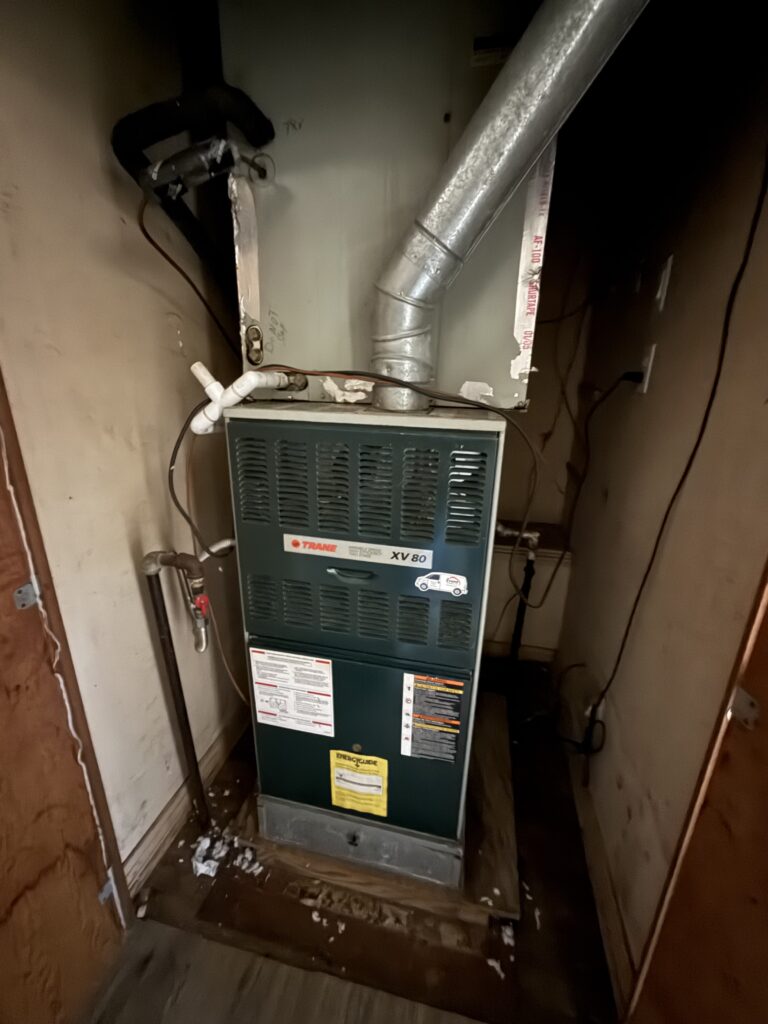
Rust is a significant enemy of heat exchangers in humid climates. Even when the furnace is off, the humidity in the air can cause the metal to corrode. Over years, this corrosion weakens the metal and leads to cracks. A cracked heat exchanger necessitates an immediate replacement of the component or the entire unit due to the carbon monoxide risk. Annual inspections allow a technician to spot early signs of corrosion and ensure the combustion process is clean.
For heat pumps, the winter maintenance focuses on the reversing valve and the defrost cycle. The reversing valve is the component that switches the flow of refrigerant to change from cooling to heating. If this valve sticks, you might get cold air when you want heat. The defrost board monitors ice buildup on the outdoor coil. If the board fails, the outdoor unit can turn into a block of ice, crushing the fins and damaging the fan. Preventative checks ensure these complex controls are ready to handle the shift in weather.
The question of needing a furnace in Texas is not about surviving the average day. It is about being prepared for the inevitable extremes. While our winters are generally mild, the cold snaps we experience are severe enough to damage property and endanger health. A reliable heating system ensures that your home remains a sanctuary regardless of what the forecast holds. Whether you choose a gas furnace for its powerful heat output or a modern heat pump for its efficiency, having a functional system is a nonnegotiable aspect of homeownership.
R.C.’s A/C Reliable Climate understands the unique heating needs of Longview and the surrounding areas. We know that you might not run your heater often, but when you do, it needs to work perfectly. Our team of licensed professionals provides the installation, repair, and maintenance services necessary to keep your family warm. We focus on honesty and safety in every job we perform. Do not wait for the first freeze to test your heating system. Contact us today to ensure your home is ready for whatever the Texas winter brings.