
How Fall Is the Best Time to Schedule HVAC Service
Fall is the sweet spot on the HVAC calendar, and smart homeowners in East Texas use it to their advantage. Summer pushes your air conditioner hard for months, and winter is about to demand real work from your furnace or heat pump. That short window in between is the ideal time to schedule HVAC service before problems turn into breakdowns. Temperatures are mild, technicians have more open appointments, and repairs can be made without your family sweating or shivering while parts are on order. A fall tune up also catches safety issues like cracked heat exchangers before your furnace runs every day. It protects your energy bills too, since a clean and calibrated system uses less electricity and gas. This guide explains why fall HVAC service matters, what a proper tune up includes, and how to get on the schedule before the winter rush hits Longview. Read it now so your system is ready before the first cold front arrives.
Why Fall HVAC Service Protects Your Heating and Cooling System
Fall HVAC service is not just a heating checkup; it is a full reset for equipment that just survived a brutal Texas summer. Your air conditioner logged hundreds of hours of runtime from May through September, and that workload wears down capacitors, contactors, belts, and motors. At the same time, your furnace or heat pump has been sitting idle, collecting dust and losing lubrication in moving parts. Firing up a neglected heater on the first cold morning is how most winter breakdowns start. A fall service visit inspects both sides of your system, so nothing gets missed. It also gives you time to plan and budget for any repairs on your own terms. That is far better than making a panicked decision during a January cold snap.
Fall HVAC Service Catches Furnace Problems Before Winter
Your furnace fails at the worst possible moment for a simple reason: it fails when you finally need it. Fall HVAC service finds those failures weeks before the first freeze. A technician inspects the heat exchanger for cracks, which is the most important safety check in the entire visit. A cracked heat exchanger can leak carbon monoxide into your home, and that gas is odorless, colorless, and deadly. The burners are also inspected and cleaned, since rust and debris cause uneven flames and incomplete combustion. Dirty burners waste fuel and can leave soot inside the cabinet. Gas connections are checked for leaks, and the venting is inspected for blockages from nests or debris. These are not checks a homeowner can safely perform alone.
Ignition problems are another common furnace failure that fall service prevents. Modern furnaces use hot surface igniters or intermittent pilots, and both wear out over time. A weak igniter may work fine in October and then quit completely in December. The flame sensor also builds up carbon and oxidation over the off season, which causes the furnace to light and then shut down within seconds. Cleaning that sensor takes a technician minutes, yet it prevents one of the most common no heat calls we run all winter. The blower motor gets checked for proper amp draw, and bearings are inspected for wear. A motor pulling high amps is telling you it is on the way out. Catching it in fall means replacing it on schedule instead of during an emergency.
Heat pumps need fall attention just as much as gas furnaces do. A heat pump runs year round, so by October it has already worked through an entire cooling season without a break. Fall service checks the reversing valve, which switches the system between cooling and heating modes. It also verifies the defrost cycle works correctly, since East Texas winters bring plenty of frosty mornings that ice up outdoor coils. Refrigerant charge is measured, because a low charge cripples heating capacity even more than it hurts cooling. Auxiliary heat strips are tested so your backup heat is ready for hard freezes. Need heat pump service before winter? Click here for our heat pump service page. Getting these checks done in fall keeps your home warm when the first Arctic front rolls through.
Fall HVAC Service Gives Your Air Conditioner a Post Summer Checkup
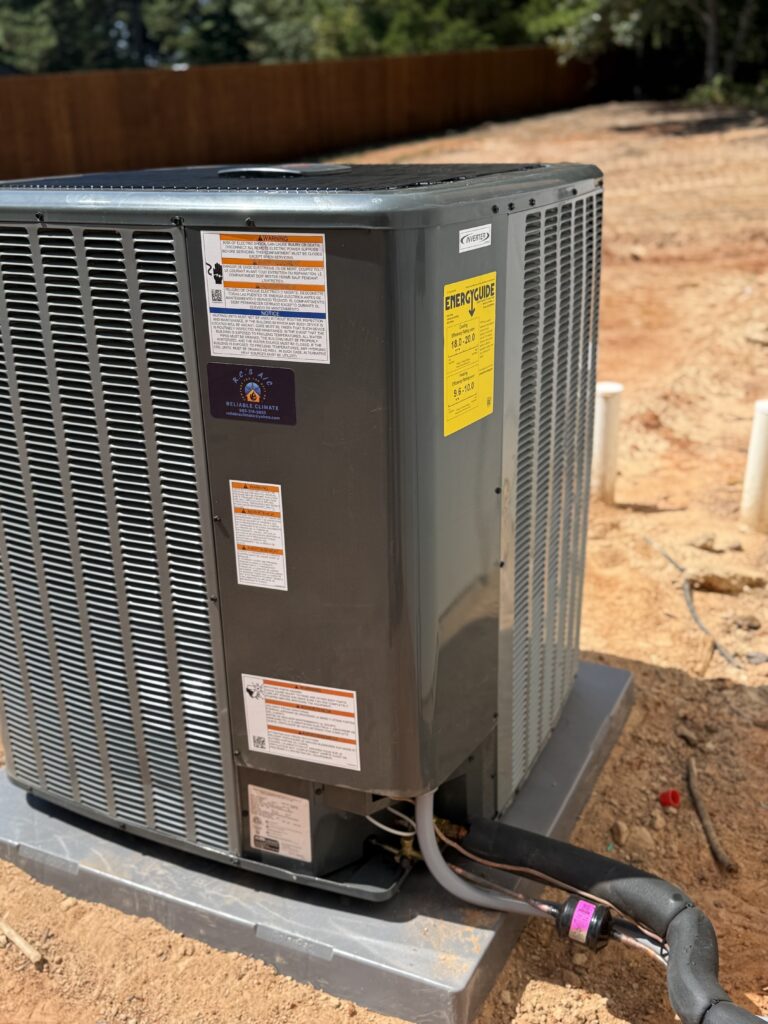
Fall is also the right time to assess the damage summer did to your air conditioner. Texas cooling seasons are long and punishing, and your condenser ran through triple digit afternoons for months. A fall inspection measures the capacitor, which weakens a little more with every hot day of runtime. Capacitors are the number one summer failure part, and a weak one found in fall can be replaced cheaply before it strands you next June. The contactor is checked for pitting and burned contacts, since it cycles thousands of times per season. Refrigerant pressures are verified against manufacturer specs to confirm there are no slow leaks. Amp draws on the compressor and fan motor reveal wear you cannot see from the outside. This is how small problems get caught while they are still small.
Coil cleaning is another fall task that pays off twice. The outdoor condenser coil spends all summer pulling in dust, grass clippings, cottonwood fluff, and pet hair. A matted coil cannot reject heat, which forces the compressor to run hotter and longer than designed. Cleaning it in fall removes that debris before it hardens over the winter. The indoor evaporator coil is inspected too, since dust and biological growth restrict airflow and cooling capacity. The condensate drain line gets flushed, because algae builds up in it all summer long. A clogged drain in spring means water damage or a system shutdown. Handling it now means your first cooling day next year starts clean.
A fall air conditioner review also tells you where your system stands in its life cycle. Most air conditioners last 12 to 15 years in the East Texas climate, and the years after a hard summer are when age really shows. A technician can tell you honestly if your unit has several good years left or if it is living on borrowed time. That knowledge lets you plan a replacement in the off season, when installation schedules are open and pricing is competitive. Replacing in fall or winter beats an emergency replacement in July every single time. We offer free estimates on new HVAC installations, so planning ahead costs you nothing. Is your AC showing its age after this summer? Click here for our air conditioning service page to schedule an assessment.
Fall HVAC Service Improves Energy Efficiency and Lowers Bills
Fall HVAC service directly lowers the utility bills you will pay all winter. A dirty, uncalibrated system wastes energy on every single cycle, and those losses compound across a full heating season. Studies from the Department of Energy show that basic maintenance tasks like coil cleaning and filter changes can cut HVAC energy use by 5 to 15 percent. A clogged filter alone forces the blower to work harder while delivering less air to your rooms. Dirty burners burn gas inefficiently, sending heat up the flue instead of into your home. Low refrigerant makes a heat pump run auxiliary electric strips far more than necessary, and those strips are the most expensive heat you can buy. Fall service corrects all of these issues at once. The result is a system that delivers the same comfort for less money.
Airflow restrictions are one of the biggest hidden energy drains a fall visit uncovers. Leaky ductwork can lose 20 to 30 percent of conditioned air into attics and crawl spaces before it ever reaches your living room. That means you are paying to heat spaces nobody lives in. A technician checks static pressure, inspects accessible duct runs, and looks for disconnected joints or crushed flex duct. Sealing those leaks keeps heated air where it belongs and shortens runtime. Balanced airflow also eliminates the hot and cold rooms that drive people to crank the thermostat. Your system heats the whole house evenly instead of overworking to compensate for losses. Every one of those improvements shows up on your winter energy bill.
Thermostat settings and calibration round out the efficiency picture. A thermostat reading even two degrees off causes your system to run longer than needed on every cycle. Fall service verifies the thermostat matches actual room temperature and responds correctly to setpoint changes. It is also the perfect time to upgrade to a smart or programmable thermostat before heating season begins. Programmed setbacks during work hours and overnight can trim heating costs by up to 10 percent per year. Smart models learn your schedule and adjust automatically, so the savings happen without effort. Combined with a clean, tuned system, a properly set thermostat is one of the cheapest efficiency upgrades available. Fall is when that upgrade delivers a full season of value right away.
What Happens During a Fall HVAC Tune Up
A real fall HVAC tune up is a detailed, multi point inspection, not a quick glance and a filter swap. Homeowners deserve to know exactly what they are paying for, so here is what a professional visit should include. The technician works through the heating equipment, the cooling equipment, the ductwork, and the controls in a systematic order. Every electrical connection is checked, every safety control is tested, and every measurement is compared against manufacturer specifications. Moving parts get lubricated, drains get cleared, and components showing wear get documented with honest recommendations. At R.C.s A/C Reliable Climate, we explain findings in plain language and never push unnecessary upsells. You get a clear picture of your system health and a written record of the work performed. The sections below break down the three biggest parts of the visit.
The Furnace Inspection Checklist in a Fall HVAC Tune Up
The furnace portion of a fall HVAC tune up starts with safety before anything else. The technician shuts off power and gas, then removes panels to visually inspect the heat exchanger for cracks, rust, and stress marks. Combustion testing may follow, measuring carbon monoxide levels in the flue gases to confirm safe operation. Gas pressure is measured at the valve and adjusted to manufacturer specifications, since incorrect pressure causes poor combustion. All gas connections are leak tested with an electronic detector or bubble solution. The flue and vent piping are inspected for corrosion, gaps, and blockages. Any one of these checks can catch a problem that would otherwise put your family at risk. This is the core reason fall furnace service is not optional.
Next comes the operational side of the furnace checklist. The igniter is tested for proper resistance, and the flame sensor is removed and cleaned of carbon buildup. Burners are pulled and cleaned so the flame pattern is steady and blue. The blower assembly is inspected, the wheel is cleaned if dirty, and motor amp draw is recorded. Belt driven blowers get belt tension checked and pulleys aligned. All electrical connections are tightened, because loose connections cause arcing, heat, and eventual component failure. The control board is checked for error codes stored from previous faults. Limit switches and rollout switches are tested to confirm the furnace shuts down safely if it overheats.
The final furnace steps involve verification under real operating conditions. The technician runs the furnace through complete heating cycles and measures temperature rise across the heat exchanger. Temperature rise outside the rated range signals airflow problems or overfiring, and both shorten equipment life. Cycle timing is observed to confirm the furnace lights promptly, heats steadily, and shuts down cleanly. Short cycling gets diagnosed on the spot rather than left for you to discover on a cold night. A fresh filter is installed, and the homeowner is shown the size and location for future changes. Everything gets documented so you have a service record for warranty purposes. Want a furnace professional to handle all of this for you? Click here for our furnace service page to book your fall tune up.
Air Duct and Airflow Checks in a Fall HVAC Tune Up
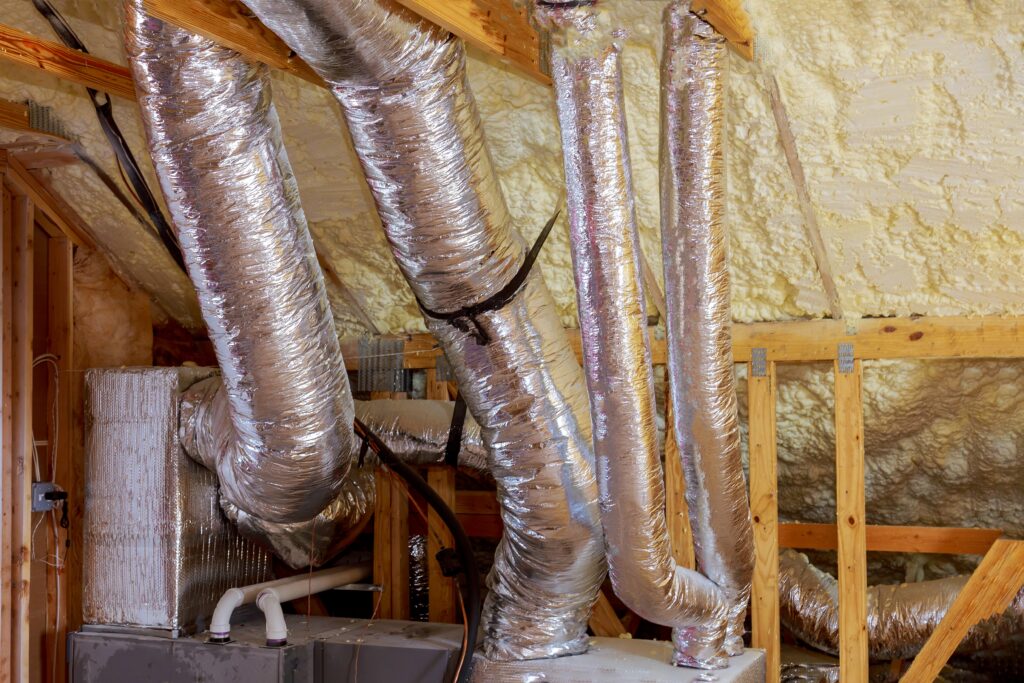
Ductwork is the delivery system for every bit of heating and cooling you pay for, so a fall HVAC tune up has to include it. The technician measures static pressure at the air handler, which is essentially a blood pressure test for your duct system. High static pressure means air is being choked somewhere, forcing the blower to strain and reducing airflow to your rooms. Common culprits include undersized returns, crushed flex duct, closed dampers, and restrictive filters. Supply registers are checked for consistent airflow throughout the home. Rooms that always run cold in winter usually trace back to a duct problem, not a furnace problem. Finding the restriction in fall means fixing it before you spend a winter avoiding certain rooms.
Duct leakage inspection comes next, and it matters more than most homeowners realize. Accessible duct runs in attics and crawl spaces are inspected for disconnected joints, torn insulation, and gaps at boots and plenums. Leaks on the supply side dump your heated air into unconditioned spaces. Leaks on the return side are worse in some ways, because they pull dusty, humid attic air into your system and your lungs. Sealing leaks with mastic or proper tape restores capacity you already paid for. Duct insulation is evaluated too, since bare metal ducts in a cold attic bleed heat rapidly. In older Longview homes, duct repairs often deliver bigger comfort gains than any equipment repair.
Indoor air quality ties directly into the duct portion of a fall tune up. Fall and winter mean closed windows, more indoor time, and recirculated air for months. Dirty ducts circulate dust, pollen residue from summer, pet dander, and other particles through every room. The technician inspects duct interiors where accessible and evaluates the filtration setup. Upgrading to a better filter or adding filtration equipment can noticeably reduce dust and allergy symptoms during the closed up months. Households with pets, allergies, or recent renovations benefit the most from duct cleaning before heating season. Breathing clean air all winter starts with clean ductwork in fall. It is a simple step with a daily payoff for your whole family.
Thermostat Testing and Calibration in a Fall HVAC Tune Up
Thermostat testing is the control system portion of a fall HVAC tune up, and skipping it undermines everything else. The technician verifies the thermostat accurately reads room temperature by comparing it against a calibrated instrument. A miscalibrated thermostat causes overheating, overcooling, and wasted energy on every cycle it runs. Setpoint response gets tested next, confirming the system starts and stops exactly when commanded. The changeover from cooling to heating mode is exercised, which matters in fall when many homeowners have not switched modes since spring. Wiring connections at the thermostat and the control board are inspected and tightened. Batteries are replaced in models that use them, since a dead thermostat battery is a surprisingly common winter no heat call. All of this takes minutes and prevents real headaches.
Heat pump thermostats require extra attention during fall service. These systems use additional wiring for the reversing valve and auxiliary heat, and a configuration error can quietly cost you serious money. A heat pump thermostat set up incorrectly may run expensive electric strip heat when the compressor alone could handle the load. The technician confirms the auxiliary heat lockout settings are appropriate for the East Texas climate. Emergency heat mode is tested so you know it works if the outdoor unit ever fails in a freeze. Staging behavior is verified on two stage and variable speed systems. Correct thermostat programming is the difference between an efficient heat pump and a shockingly high electric bill.
Fall is also the smartest time to consider a thermostat upgrade, and a tune up visit makes it easy. Older mercury and basic digital thermostats leave money on the table every heating season. Programmable models let you set schedules that drop the temperature while you sleep or work, then warm the house before you wake. Smart thermostats add remote control from your phone, learning features, and energy usage reports. Some models even alert you when the system behaves abnormally, catching problems early. Installation during a scheduled tune up is quick and often bundled affordably. Curious about smart thermostat options for your home? Click here for our thermostat service page to learn more.
Why You Need to Schedule Fall HVAC Service in Longview TX Now
Knowing fall is the best time for HVAC service only helps if you actually get on the schedule. Every year, the first cold front sends a wave of no heat calls across Longview, Kilgore, Marshall, and the surrounding areas. Homeowners who serviced their systems in fall stay warm; homeowners who waited join a repair queue. Booking now means you choose the appointment time, the technician arrives unhurried, and any needed parts get ordered without pressure. It also means your first heating bill reflects a tuned, efficient system instead of a struggling one. The three sections below explain why acting early matters and why local homeowners trust R.C.s A/C Reliable Climate.
Scheduling Fall HVAC Service Early Beats the Winter Rush
Scheduling fall HVAC service early puts you ahead of every homeowner who procrastinates. HVAC companies across East Texas see demand spike the moment overnight temperatures drop into the 30s. During those cold snaps, emergency no heat calls fill the schedule, and routine appointments get pushed out days or weeks. Booking in fall means same week availability and appointment times that fit your life. Your technician can take the time to be thorough instead of racing between emergencies. Early scheduling is the single easiest way to guarantee a warm house all winter.
Parts availability is another reason early scheduling wins. Suppose your tune up reveals a failing blower motor or a worn igniter. In October, that part gets ordered and installed within days, and you never lose heat at all. In January, the same part may be backordered because every contractor in the region is chasing the same components. Cold weather failures cluster, and supply chains feel the strain every winter. Fall service turns a potential emergency into a routine, scheduled repair.
There is also a financial advantage to beating the rush. Planned repairs during the shoulder season let you compare options, ask questions, and budget calmly. Emergency winter repairs happen under pressure, when the priority is restoring heat immediately at whatever the cost. Financing decisions made in a crisis are rarely the best ones. R.C.s A/C Reliable Climate offers financing for HVAC and refrigeration services, and fall gives you time to use it wisely. A little planning in October saves real money in January.
Fall HVAC Service Extends the Life of Your HVAC System
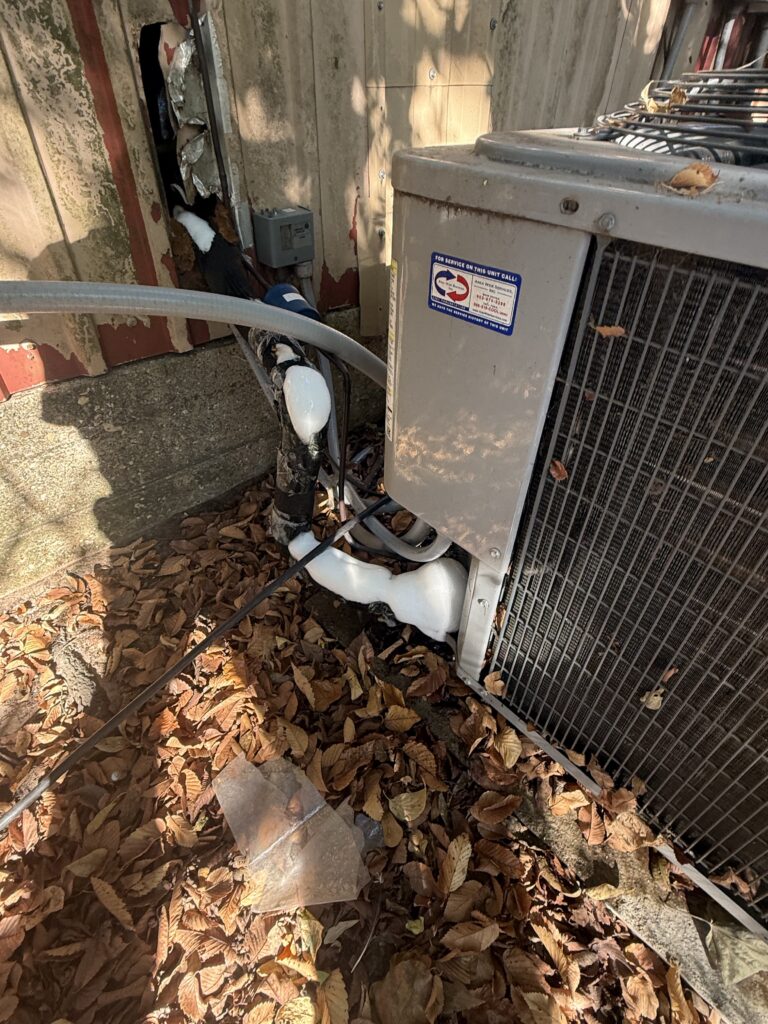
Fall HVAC service is the closest thing to a longevity plan your equipment can get. Heating and cooling systems are major investments, often costing as much as a used car. Regular maintenance is what determines if that investment lasts 10 years or 15. Clean coils, tight electrical connections, correct refrigerant charge, and lubricated motors all reduce the daily stress on components. Stress is what kills compressors, heat exchangers, and blower motors before their time. Every fall tune up removes a season of accumulated stress from the system.
Neglect works in the opposite direction, and the damage compounds quietly. A dirty filter strains the blower motor, the straining motor runs hot, and the heat degrades its windings and bearings. Low refrigerant makes a compressor run longer and hotter, shaving years off its life with every cooling season. Small problems ignored in fall become cascading failures by spring. Manufacturers know this, which is why most warranties require proof of regular professional maintenance. Skipping tune ups can literally void the coverage you paid for.
The math on maintenance is straightforward for any homeowner. An annual fall tune up costs a small fraction of a compressor replacement or a new heat exchanger. Add the energy savings from efficient operation, and the service often pays for itself before winter ends. Then add the avoided emergency fees, the preserved warranty, and the extra years of equipment life. Few home services deliver that kind of return. Fall HVAC service is not an expense; it is protection for one of the biggest systems in your home.
Why Choose R.C.s A/C Reliable Climate for Fall HVAC Service
R.C.s A/C Reliable Climate is locally owned and operated right here in Longview, Texas, at 3 Lewis Drive. We are licensed and insured under Texas HVAC License #TACLA129043C, so every job meets state standards. Our technicians live and work in the same East Texas communities we serve, from White Oak and Gladewater to Hallsville and Marshall. We know how this climate punishes air conditioners in summer and surprises furnaces in winter. That local knowledge shapes every tune up we perform. You are not calling a distant chain; you are calling neighbors.
Honesty is the foundation of how we do business. We give honest recommendations with no unnecessary upsells, period. If a part has life left in it, we tell you so and note it for future monitoring. If a repair truly cannot wait, we explain exactly why and show you the evidence. Free estimates on new HVAC installations mean you can plan a replacement without spending a dime to get answers. We are dedicated to always providing 5 star service on every single visit.
We also stand behind our work in ways many companies will not. Our installations carry a 10 year parts warranty and a 1 year labor warranty. Financing is available for HVAC and refrigeration services, so budget never has to delay comfort. When winter emergencies do happen, our 24/7 emergency HVAC service is a phone call away. Schedule your fall HVAC service today by calling (903) 316-6855 or emailing info@iwantclimate.com. Beat the rush, protect your system, and head into winter with total confidence.