
How Texas Heat Impacts Your Air Conditioner Over Time
Summer in Longview brings intense temperatures that push every residential cooling system to its limit. Your air conditioner works harder during these months than at any other time of the year. The scorching Texas sun raises the ambient temperature around your outdoor unit and forces the system to run for longer cycles. This extended runtime creates significant wear and tear on internal components. Homeowners often notice higher energy bills during July and August but the physical toll on the equipment is less obvious until a breakdown occurs. Understanding how heat affects your AC helps you prioritize maintenance and catch small issues before they become expensive repairs.
The sheer duration of heat exposure in East Texas affects the lifespan of your cooling equipment. An air conditioner designed to last 15 years might only last 10 if it is constantly battling extreme temperatures without support. Heat causes materials to expand and contract which leads to stress fractures in metal and degradation in rubber or plastic parts. Your system is a complex machine with moving parts and high-pressure refrigerant. Every degree above 95 degrees outside adds substantial strain to the compressor and fan motor. This stress accumulates over seasons and eventually manifests as mechanical failure.
The Compressor Under Pressure
The compressor is the heart of your air conditioning system. It pumps refrigerant through the coils to remove heat from your home and release it outside. High outdoor temperatures make this heat rejection process much more difficult. When it is hot outside, the pressure within the system rises naturally. The compressor must work against this higher “head pressure” to do its job. This forces the motor inside the compressor to draw more amperage and generate more internal heat. Over time, this excess heat degrades the winding insulation inside the motor. Once that insulation fails, the compressor grounds out or shorts electrically.
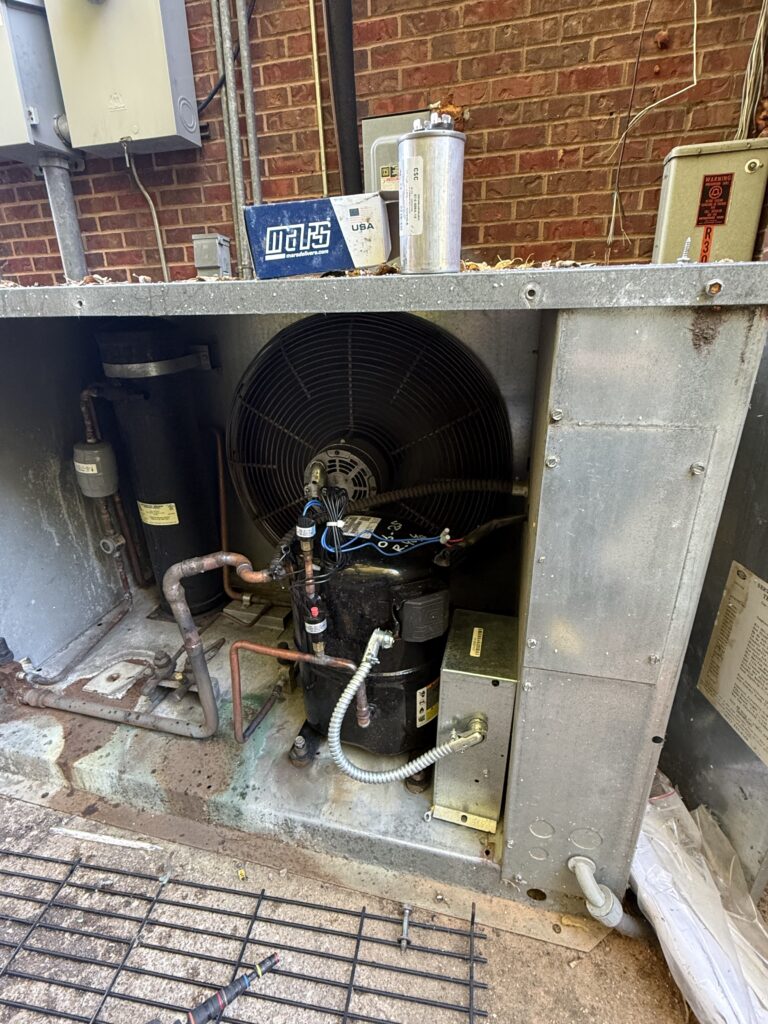
Oil viscosity is another major concern for compressors operating in high heat. The compressor relies on specific oil to lubricate its bearings and pistons. Extreme heat can cause this oil to thin out and lose its lubricating properties. Without proper lubrication, metal components grind against each other. This friction creates even more heat and sends metal shavings through the refrigerant lines. These shavings eventually clog small orifices like the metering device. A compressor replacement is one of the most expensive repairs in the HVAC industry. Keeping the outdoor coil clean helps lower the head pressure and protects this vital component.
Capacitors and Electrical Components
Electrical components are notoriously sensitive to heat. The capacitor is a small battery-like device that helps your compressor and fan motors start and run. It contains a dielectric fluid that keeps the internal plates cool and separated. Intense Texas heat causes this fluid to expand. If the internal pressure gets too high, the capacitor will swell and eventually burst or lose its ability to hold a charge. A weak capacitor forces the compressor to struggle every time it starts. This “hard starting” generates massive amounts of heat in the compressor windings and shortens the life of the entire condensing unit.
Contactors are another electrical part that suffers in the summer. These are the heavy-duty switches that control the flow of electricity to the compressor and fan. The high amperage drawn during hot days causes arcing across the metal contacts. This arcing creates pits and carbon buildup on the surface of the contacts. Eventually, the contactor may weld itself shut. If this happens, the outdoor unit will run continuously even when the thermostat inside is satisfied. This continuous operation can freeze the indoor coil or burn out the compressor. Regular inspections allow a technician to spot pitted contactors or swollen capacitors before they cause a total system failure.
Refrigerant Cycle and Leaks
The relationship between pressure and temperature is fundamental to how your air conditioner works. As the temperature of the refrigerant rises, so does the pressure. During a heatwave, the pressures inside your copper refrigerant lines can reach extreme levels. This internal pressure pushes against every joint, braze, and service valve in the system. The copper lines expand as they get hot and contract when the system shuts off and cools down. This constant cycle of expansion and contraction stresses the metal joints. Over many years, this thermal stress causes vibration cracks or pinhole leaks to develop.
A system low on refrigerant struggles to cool your home. The compressor relies on cool refrigerant returning from the indoor coil to keep itself from overheating. When the charge is low, the returning gas is too warm. This causes the compressor to run hot and dangerously inefficiently. Finding and fixing leaks becomes urgent in the summer to prevent catastrophic damage. Leaks often occur in the evaporator coil or the service valves outside. Techs use specialized gauges to monitor these pressures. Ignoring a system that freezes up or blows warm air often leads to replacing the entire unit rather than just repairing a leak.
Fan Motors and Airflow Restrictions
The outdoor fan motor pulls air through the condenser coil to release the heat absorbed from your home. If the outdoor temperature is 100 degrees, that motor is already starting at a disadvantage. The internal windings of the motor get hot during operation. If the motor cannot dissipate that heat, it will overheat and shut down on thermal overload. This safety mechanism stops the motor to save it, but it also stops the cooling process. If the fan stops while the compressor keeps running, the compressor will overheat rapidly and potentially die.
Bearings in the fan motor also suffer from the heat. The grease inside the sealed bearings can dry out over years of baking in the sun. Dry bearings increase friction and drag on the motor shaft. You might hear a grinding or squealing noise when the fan turns on. This physical resistance requires the motor to use more electricity. The added electrical load generates more heat in the windings. It becomes a cycle of degradation that ends with a seized motor. Replacing a fan motor is a standard repair, but ignoring the signs allows the issue to damage the compressor or control board.
Impact on Insulation and Ductwork
Your air conditioner produces cold air, but that air must travel through ductwork to reach your living spaces. In many Longview homes, ductwork is located in the attic. Attic temperatures in Texas can easily exceed 140 degrees on a summer afternoon. This extreme heat attacks the insulation wrapped around your ducts. Over time, the outer vapor barrier can become brittle and crack. When the insulation degrades, the heat from the attic transfers into the cool air inside the ducts. You pay to cool the air, but the attic heats it back up before it reaches your vents.
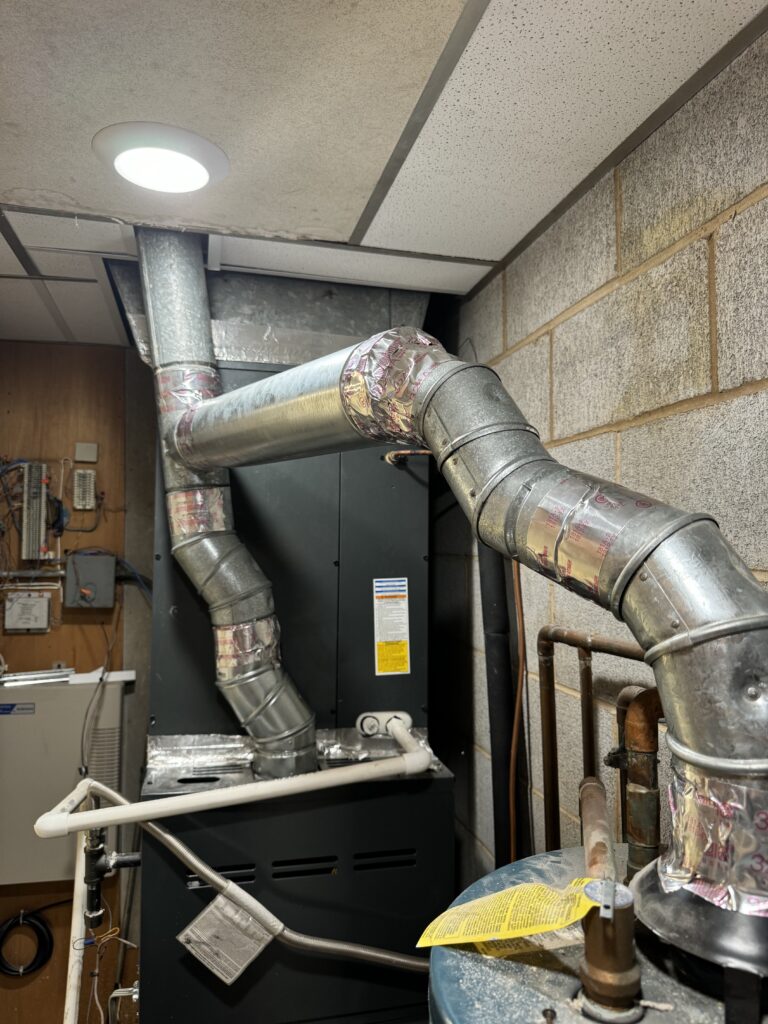
Duct leakage is another issue exacerbated by heat. The mastic or tape used to seal duct connections can dry out and peel away after years of thermal cycling. Hot attic air then gets sucked into your return ducts. This introduces dust, humidity, and heat directly into your AC system. The system must work longer to remove this added heat load. It also clogs the air filter faster. Sealing your ducts and ensuring adequate attic ventilation helps reduce this thermal load. Proper attic insulation keeps the heat away from your ducts and helps your equipment run more efficiently.
Condenser Coil Efficiency
The outdoor coil is where the heat transfer actually happens. This coil consists of copper tubes and aluminum fins. The fins increase the surface area to release heat faster. However, these fins are delicate. Hail storms or accidental impacts from lawn equipment can bend them. Bent fins block airflow. When air cannot flow through the coil, the heat stays in the refrigerant. This raises the head pressure and amps. The system consumes more electricity to provide less cooling.
Dirt and debris also play a major role here. Dust, pollen, and grass clippings stick to the coil surfaces. This layer of debris acts as an insulating blanket. It traps the heat inside the coil. In the Texas heat, a dirty coil is a recipe for disaster. The compressor has to work twice as hard to reject the same amount of heat. Regular washing of the outdoor unit is essential. You must be careful not to use high pressure which can flatten the fins. A gentle stream of water removes the buildup and restores proper heat transfer. Clean coils directly translate to lower utility bills and longer equipment life.
Lubrication Breakdown and Mechanical Wear
Every moving part in your HVAC system requires lubrication to function correctly. We discussed compressor oil, but other components need it too. The thermal expansion valve or metering device has small moving internal parts. If the system runs too hot, sludge can form from the breakdown of oil and refrigerant. This sludge restricts the flow of refrigerant. A restricted metering device causes pressure to spike and cooling capacity to drop. The system might run all day but never reach the set temperature on the thermostat.
Vibration is another side effect of mechanical wear. As parts loosen or wear down due to heat stress, the unit vibrates more during operation. This vibration travels through the copper lines. If the lines rub against brick, wood, or other metal, a hole will eventually wear through. Reliable installation practices include securing these lines to prevent rubbing. However, time and thermal expansion can shift even well-secured lines. Regular maintenance checks look for these rub outs. Identifying a vibrating line early allows a technician to secure it before the refrigerant escapes.
Humidity Control Challenges
Air conditioners condition the air by removing both heat and humidity. Texas is known for high humidity levels. When the system runs efficiently, moisture condenses on the cold indoor coil and drains away. However, as heat degrades the system’s performance, it becomes less effective at dehumidification. If the compressor is weak or the coils are dirty, the indoor coil may not get cold enough to pull moisture from the air. You might feel sticky or clammy inside even if the temperature reads 72 degrees. High indoor humidity can lead to mold growth in the ducts and on the blower wheel.
The condensate drain line is also affected by heat and algae. The warm, dark, and wet environment inside the drain line is perfect for algae growth. In the summer, this algae grows rapidly and can form a blockage. If the drain blocks, water backs up. Most modern systems have a float switch to shut the unit off before water damages the ceiling. However, this shuts off your cooling right when you need it most. Clearing the drain line is a standard part of summer maintenance. Keeping the humidity under control protects your home structure and improves your comfort.
Thermostat and Sensor Calibration
The thermostat is the brain of the system. It relies on sensors to read the indoor temperature accurately. Electronics degrade over time when exposed to heat cycles, although the thermostat itself is usually in a conditioned space. The wires running from the thermostat to the unit, however, often pass through hot walls or attics. Insulation on these low-voltage wires can become brittle. A short in the thermostat wire can cause the heat to turn on simultaneously with the AC. This is extremely inefficient and puts immense strain on the unit.
Sensors on the outdoor unit are exposed to the elements. Ambient temperature sensors or defrost sensors can drift out of calibration after years of Texas sun. If the board gets bad data, it makes bad decisions. It might ramp up the fan speed unnecessarily or lock out the compressor thinking there is a fault. Diagnostic tools allow technicians to verify that sensors are reading correctly. Replacing a faulty sensor is much cheaper than replacing a control board or compressor. Accurate controls ensure the system runs only as much as necessary to maintain comfort.
The Importance of Air Filters
Air filters are the first line of defense for your AC system. In the summer, the fan runs almost continuously. This means more air is being pulled through the filter. The filter loads up with dust much faster in July than in January. A clogged filter restricts airflow. We have already established that airflow is critical for removing heat. If the airflow is restricted, the indoor coil gets too cold and the outdoor coil gets too hot. The refrigerant cannot change state properly. Liquid refrigerant might flood back to the compressor. Compressors are designed to pump gas, not liquid. Liquid slugging can destroy the valves inside the compressor instantly.
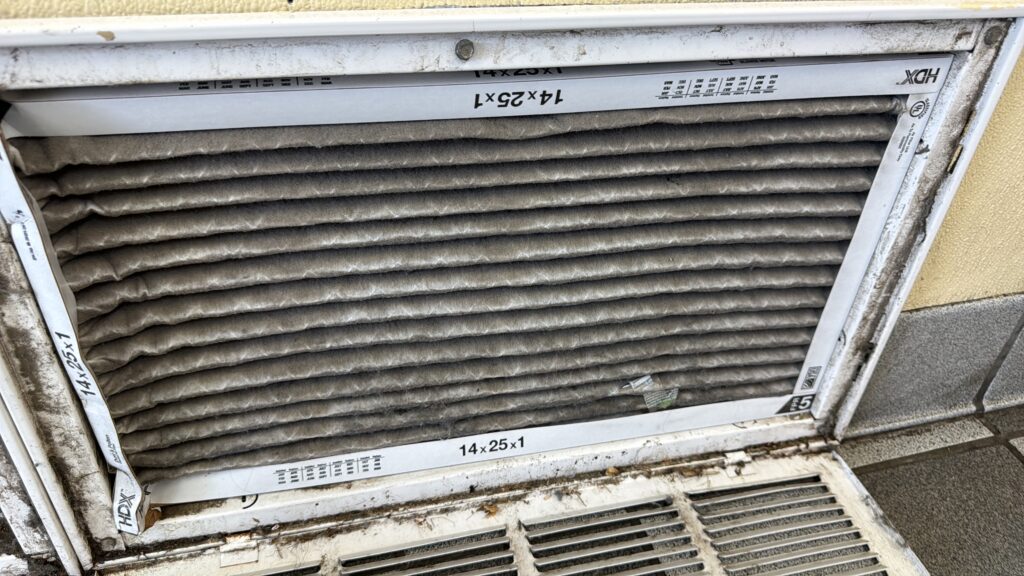
Homeowners often forget to change filters during the busy summer months. A clean filter allows the air to move freely. This reduces the load on the blower motor and the compressor. It is the simplest maintenance task but has the biggest impact. Using high-quality filters protects the equipment and improves indoor air quality. However, using a filter that is too restrictive for your duct system can be just as bad as a dirty one. Consulting with an HVAC professional helps you choose the right filter for your specific system needs.
Smart Thermostats and System Monitoring
Modern technology offers new ways to mitigate the impact of heat. Smart thermostats learn your schedule and adjust temperatures automatically. Raising the temperature when you are away reduces the total runtime of the system. Less runtime means less wear and tear. Some smart thermostats also monitor the system’s performance. They can alert you if the indoor temperature is rising while the AC is running. This early warning allows you to call for service before the house gets hot.
System monitoring devices can measure the electrical draw of the compressor and fan. If the amps start to creep up, it indicates a developing problem. These devices can be installed on existing equipment. They provide peace of mind and data-driven insights. Knowing that your system is struggling allows you to budget for repairs or replacement. It moves you from a reactive position to a proactive one. Proactive care is always more cost-effective than emergency service calls.
The Value of Shade and Ventilation
The location of your outdoor unit impacts its performance. A unit sitting in direct sunlight all day runs hotter than one in the shade. While you cannot always move the unit, you can add shade. Planting shrubs or installing an awning can lower the ambient temperature around the condenser. You must ensure that any vegetation remains at least two feet away from the unit to allow for airflow. Crowding the unit with plants blocks the air and causes it to recirculate hot air. This defeats the purpose of the shade.
Attic ventilation is equally important. Ridge vents, soffit vents, and attic fans work together to flush out hot air. If your attic is cooler, your ductwork stays cooler. The heat load on the house decreases. Your AC does not have to run as long to maintain the set temperature. Verifying that your attic vents are not blocked by insulation is a critical step. Solar attic fans are a great option for reducing attic temperatures without adding to your electric bill. Reducing the heat load on the home is the best way to help your air conditioner survive the summer.
Texas heat is relentless and acts as a constant stress test for your air conditioning system. The combination of high ambient temperatures, humidity, and long runtimes degrades components over time. Compressors wear out, capacitors swell, and wiring insulation becomes brittle. Understanding these physical processes highlights the necessity of regular care. Neglecting the system accelerates this degradation and leads to premature failure. Homeowners in Longview need reliable equipment to stay safe and comfortable.
R.C.’s A/C Reliable Climate provides the expertise needed to keep your system running efficiently despite the heat. Our team inspects every component to ensure it can handle the summer load. We focus on honest assessments and quality workmanship. Whether you need a simple capacitor replacement or a new system installation, we are here to help. Protecting your investment requires attention to detail and professional maintenance. Do not wait for a breakdown to think about your air conditioner. Schedule a check-up to ensure your home remains a cool sanctuary against the Texas sun.