
Signs Your Refrigerant Is Low and What to Do About It
Refrigerant is the lifeblood of your air conditioning system, and low refrigerant levels can turn a comfortable home into a sweltering one fast. As temperatures climb across East Texas this spring and summer, your AC unit works harder than ever to keep your living space cool. Spotting the signs your refrigerant is low early can save you from expensive repairs, higher energy bills, and a complete system breakdown during the hottest days of the year. Many homeowners in Longview and the surrounding areas do not realize their air conditioner is low on refrigerant until the system stops cooling altogether. Refrigerant does not get used up like fuel; it circulates in a closed loop, so low levels almost always point to a leak somewhere in the system. Knowing what to look for helps you act quickly and call a licensed HVAC technician before minor issues turn into major problems. This guide walks you through the most common warning signs, what causes low refrigerant in the first place, and the smart steps to take when you notice something is off with your cooling system.
Common Signs Your AC Refrigerant Is Low
Low refrigerant shows up in several ways, and most of the symptoms are easy to spot once you know what to watch for. Your air conditioner will start sending clear signals long before it gives out completely, so paying attention to performance changes is key. Warm air from the vents, longer cooling cycles, and unusual sounds are just a few of the red flags that point to a refrigerant problem. Ignoring these signs can damage the compressor, which is one of the most expensive parts of any HVAC system to replace. Catching low refrigerant early protects your investment and keeps your home cool during the long Texas summer. Below are the most common warning signs every homeowner should know.
Warm Air Blowing From Vents Is a Sign Your Refrigerant Is Low
One of the first and most obvious signs your refrigerant is low is warm air coming out of your supply vents when the AC is running. Refrigerant absorbs heat from inside your home and releases it outside, so when levels drop, the system cannot complete that heat exchange properly. You might notice the air feels cool at first but never quite gets cold, or it stays room temperature no matter how long the unit runs. Many homeowners crank the thermostat lower thinking it will help, but that only makes the system work harder without solving the underlying issue. The air handler keeps pushing air across the evaporator coil, but without enough refrigerant, there is nothing to cool it down. This symptom often appears gradually, which is why some people brush it off as a hot afternoon. By the time the warm air becomes constant, the refrigerant charge is usually well below the manufacturer’s required level. A licensed HVAC technician can measure the charge and pinpoint the leak so the system can be repaired correctly.
Warm air is also tied to airflow problems, so it helps to rule out other causes before assuming refrigerant is the culprit. Check your air filter first, since a dirty filter restricts airflow and can mimic some of the same symptoms. Make sure all supply vents are open and not blocked by furniture, rugs, or curtains. If the filter is clean and the vents are clear but the air still feels warm, low refrigerant is a strong possibility. You should also check the outdoor condenser unit for debris, leaves, or grass clippings that could be blocking airflow around the coils. A clogged outdoor unit puts extra strain on the system and can make refrigerant issues worse. Once these basic checks are done, it is time to call a professional for a proper diagnosis. Trying to add refrigerant yourself is illegal without certification and can cause serious damage to the equipment.
The longer warm air keeps blowing without action, the more strain the compressor takes on. Compressors are designed to move a specific volume of refrigerant, and when there is not enough in the system, the compressor runs hot and works overtime. This leads to premature wear, electrical issues, and eventually compressor failure, which is one of the costliest repairs in HVAC. Replacing a compressor often costs nearly as much as installing a brand new outdoor unit, so prevention is always the smarter move. If you notice warm air for more than a day or two, do not wait it out. Schedule a service call right away so a technician can locate the leak, repair it, and recharge the system to factory specifications. Need help with an AC that is not cooling? Click here for our air conditioning service.
Ice on the Refrigerant Lines Is a Sign Your Refrigerant Is Low
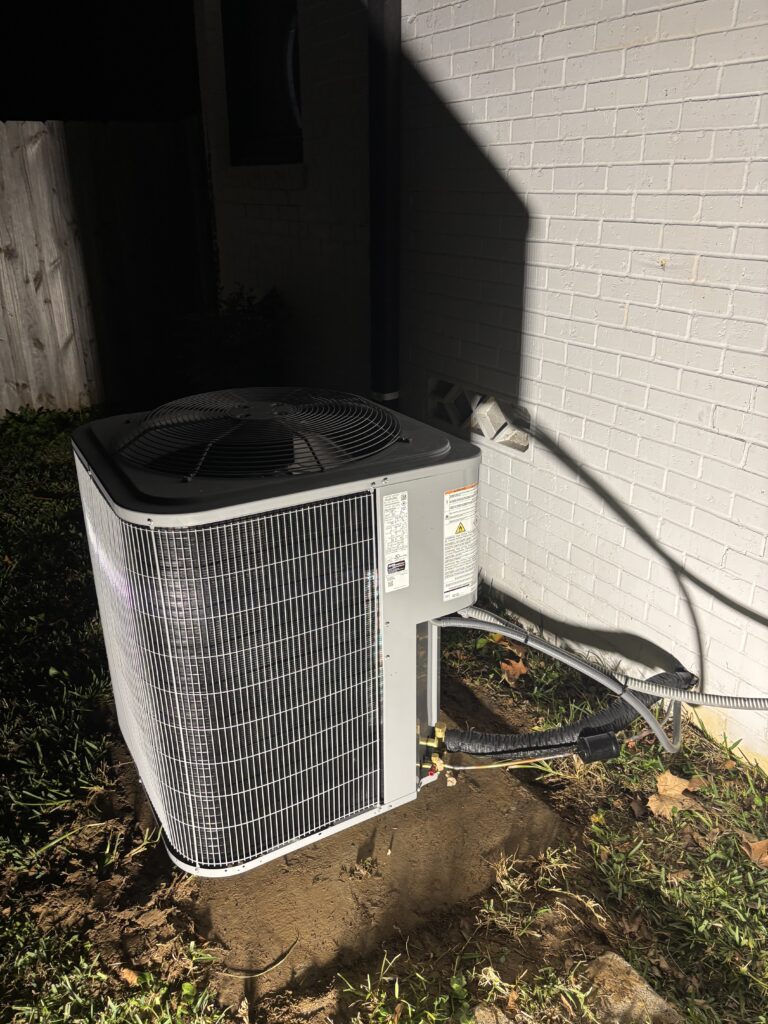
Seeing ice or frost on the copper refrigerant lines or the evaporator coil might seem strange for a cooling system, but it is one of the clearest signs your refrigerant is low. When refrigerant levels drop, the pressure inside the evaporator coil falls below normal, causing the remaining refrigerant to expand too much and get extremely cold. Moisture in the air around the coil then freezes onto the surface, creating a buildup of ice. This ice acts like an insulator, blocking heat transfer and making the cooling problem even worse. As the ice grows, less air can pass through the coil, and the system loses cooling capacity by the hour. Many homeowners spot this issue when they check the indoor air handler or the line set running to the outdoor condenser. The frozen copper line is usually the larger of the two pipes and feels cold to the touch even when not iced over.
If you see ice on your AC system, turn the unit off right away and let it thaw completely before doing anything else. Running a frozen system can crack the evaporator coil or damage the compressor by sending liquid refrigerant back through lines designed to handle gas. Thawing can take several hours, so set the thermostat to off and switch the fan to on to help move warm air across the coil. Place towels around the indoor unit to catch melting water, since a clogged condensate drain combined with thawing ice can flood the area. Once the system is fully thawed, do not turn the cooling back on until a technician inspects it. The ice will return quickly if the refrigerant issue is not fixed, and repeated freezing causes long-term damage. A professional can locate the leak, repair the affected component, and recharge the refrigerant to the correct level.
Ice formation also points to other possible issues, so a proper diagnosis matters. Dirty coils, weak blower motors, and restricted airflow can all cause freezing, but low refrigerant is among the most common causes in older systems. A trained HVAC technician will check static pressure, superheat, and subcooling readings to confirm what is going on inside the system. These measurements tell the technician exactly how much refrigerant is in the system and whether the leak is small or large. Once the leak is repaired and the charge is restored, the system should run normally without any ice forming. Skipping the repair and just adding refrigerant is a temporary fix that wastes money, since the leak will keep losing refrigerant until it is sealed. Reliable Climate technicians use leak detection equipment to find even the smallest pinhole leaks before recharging the system.
Hissing or Bubbling Sounds Are a Sign Your Refrigerant Is Low
Unusual sounds coming from your air conditioner often point straight to a refrigerant problem, especially hissing or bubbling noises near the indoor or outdoor unit. A hissing sound usually means refrigerant gas is escaping through a small leak in the copper tubing, a fitting, or a coil. Bubbling or gurgling sounds can indicate air has entered the refrigerant lines, which happens when a leak lets refrigerant out and air in. Both sounds are signs your refrigerant is low and the system needs attention from a licensed HVAC professional. These noises are often subtle at first, so you might only hear them when the house is quiet or when standing near the unit. As the leak grows, the sounds may get louder and more frequent, especially when the compressor first starts up.
Refrigerant leaks are not something to ignore, since refrigerant is a chemical that should stay sealed inside the system at all times. While modern refrigerants like R-410A and R-454B are less harmful than older types, leaks still pose environmental concerns and can affect indoor air quality in extreme cases. The leak itself also wastes the refrigerant you paid for, and replacing it gets expensive fast. Refrigerant prices have climbed steadily over the past several years as regulations phase out older types, so every ounce lost is money out of your pocket. A technician will pressure test the system, use electronic leak detectors or UV dye, and trace the noise to its source. Repairing the leak might involve replacing a Schrader valve, soldering a copper joint, or swapping out a damaged coil.
Once the source of the hissing or bubbling is found and repaired, the system needs to be properly evacuated and recharged. This is not a DIY job, and federal law requires EPA certification to handle refrigerant. The technician pulls a vacuum on the system to remove any moisture or air that entered through the leak, then weighs in the exact amount of refrigerant the manufacturer specifies. Overcharging or undercharging causes its own set of problems, so precision matters. After the recharge, the system should run quietly and cool efficiently again. If you hear any strange noises coming from your air conditioning system, do not wait for the cooling to fail. Click here for our air conditioning service and let a certified technician handle the diagnosis and repair.
What Causes Low Refrigerant and How to Prevent It
Refrigerant does not evaporate or get consumed during normal operation, so low levels almost always mean there is a leak somewhere in the sealed system. Understanding what causes these leaks helps homeowners take steps to protect their AC system and extend its lifespan. Some causes are tied to age and wear, while others come from poor installation, physical damage, or skipped maintenance. The good news is that many refrigerant problems can be prevented with regular service and a little attention to the outdoor unit. Knowing the most common causes also helps you spot trouble before it becomes a major repair. Here are the main reasons refrigerant levels drop and what you can do to stop it from happening to your system.
Age and Wear Cause Refrigerant Leaks Over Time
Air conditioning systems are built to last between 12 and 15 years on average, but the components inside the system experience normal wear long before the unit reaches the end of its life. Copper tubing, coils, and connections expand and contract with every cooling cycle, and over many years this stress can create tiny cracks or pinhole leaks. Vibration from the compressor also takes a toll on joints and fittings throughout the system. Older systems with copper evaporator coils are particularly prone to formicary corrosion, a type of damage caused by certain household chemicals reacting with copper. This corrosion creates microscopic tunnels through the metal that slowly leak refrigerant over months or even years. By the time the leak is noticeable, the coil often needs to be replaced rather than repaired.
Routine maintenance is the single best way to catch age-related leaks before they cause major problems. During a tune-up, a technician checks refrigerant pressure, inspects the coils, and tests for leaks using electronic detection tools. Small issues found during maintenance are usually easy and inexpensive to fix, while ignored leaks lead to compressor damage and costly emergency repairs. Annual maintenance also keeps the system running at peak efficiency, which lowers your energy bills throughout the cooling season. Homeowners in Longview, Kilgore, and the surrounding East Texas area should schedule a spring tune-up every year before the heat sets in. This gives your technician time to spot problems early and order any needed parts before peak season.
Knowing the age of your system helps you plan ahead and decide when repairs are worth the cost. Once a system is past 12 years old, refrigerant leaks become more common and more expensive to fix. Older units also use refrigerant types that are being phased out, like R-22, which is no longer manufactured and costs a fortune to replace. If your system uses R-22 and develops a leak, replacement is often more cost-effective than repair. Newer systems use R-410A or the latest A2L refrigerants like R-454B, which are more efficient and environmentally friendly. Need to schedule a tune-up for an aging AC system? Click here for our air conditioning service.
Poor Installation Causes Refrigerant Problems Down the Road
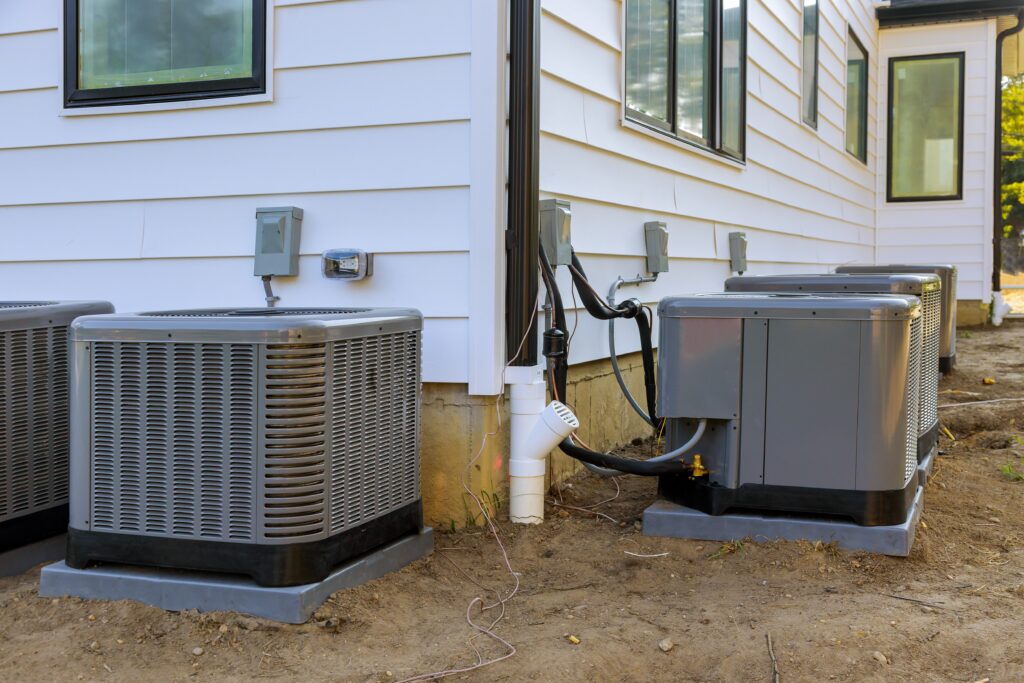
A surprising number of refrigerant issues trace back to mistakes made during the original installation of the AC system. Improperly soldered joints, loose flare fittings, and incorrect refrigerant charge at startup can all create problems that show up months or years later. When copper lines are not properly sized or supported, vibration causes them to rub against framing or other components, eventually wearing through the metal. Installation shortcuts like skipping the vacuum process or failing to pressure test the system before charging often lead to early failures. These hidden problems can be hard to diagnose later, since they look like normal wear and tear to the untrained eye. This is why hiring a licensed and experienced HVAC contractor matters so much when you replace or install a new system.
Proper installation starts with sizing the system correctly for your home. An oversized unit cycles on and off too often, putting extra stress on every component and increasing the chance of leaks. An undersized unit runs constantly and struggles to keep up, which also shortens the lifespan of the equipment. Load calculations based on square footage, insulation levels, window placement, and other factors determine the right size. Once the equipment is selected, the installer must use clean, properly sized copper lines and make every joint with care. The system should be pressure tested with nitrogen to confirm there are no leaks, then evacuated with a vacuum pump to remove moisture and air before refrigerant is added.
Choosing a reputable, licensed HVAC company protects your investment and prevents the headaches that come from poor installation. R.C.’s A/C Reliable Climate holds Texas HVAC License TACLA129043C and follows manufacturer specifications on every install. We use proper torque on fittings, perform pressure tests, and weigh in the exact refrigerant charge required for each system. Our technicians also explain the installation process so homeowners know what to expect and what good workmanship looks like. We offer a 10-year parts warranty and a 1-year labor warranty on new installs, giving you peace of mind for years to come. Free estimates are available for any new HVAC installation in Longview and the surrounding service area.
Physical Damage and Skipped Maintenance Cause Refrigerant Loss
Outdoor condenser units take a beating from weather, yard equipment, pets, and even children playing in the yard. A bumped fin, a dent in the cabinet, or a stray rock from a lawnmower can damage the coil and create a slow refrigerant leak. Hail storms are common in East Texas, and even moderate hail can dent the aluminum fins that surround the condenser coil. While bent fins alone do not cause leaks, severe hail can puncture the coil tubing and let refrigerant escape. Tree branches, debris from storms, and overgrown landscaping also pose risks to the outdoor unit. Keeping the area around the condenser clean and clear is one of the simplest ways to prevent damage.
Skipped maintenance is another common cause of refrigerant problems, since small issues go undetected until they become big ones. Dirty coils force the system to run hotter and at higher pressures, which stresses every component and accelerates wear. A clogged condensate drain can cause water damage that corrodes nearby refrigerant lines. Loose electrical connections cause the compressor to short cycle, which stresses the refrigerant circuit and increases the chance of leaks. All of these problems are easy to catch and fix during a yearly tune-up, but they can lead to expensive repairs when left alone. Maintenance also includes cleaning the coils, checking the refrigerant charge, and inspecting for early signs of corrosion or wear.
Protecting your outdoor unit takes very little effort but pays off in fewer repairs and a longer system life. Keep a two-foot clearance around the condenser, trim back shrubs and grass, and avoid using string trimmers too close to the fins. Cover the unit during severe storms if hail is in the forecast, but never cover it during operation. Have your system inspected once a year by a licensed HVAC technician who can spot issues you might miss. Reliable Climate offers full maintenance plans for residential and commercial customers across the Longview area. Click here for our air conditioning service to schedule your tune-up and protect your system from refrigerant loss.
Why You Need a Licensed HVAC Technician for Refrigerant Service
Handling refrigerant is not a DIY project, and federal law backs that up. The EPA requires Section 608 certification for anyone who handles refrigerant, since improper handling poses environmental risks and serious safety hazards. A licensed HVAC technician brings the training, tools, and experience needed to diagnose refrigerant issues correctly and repair them safely. R.C.’s A/C Reliable Climate has been serving Longview and the surrounding East Texas communities with honest, professional service for years. Our team is committed to fair pricing, no unnecessary upsells, and quality work that keeps your home comfortable and your equipment running strong.
Licensed HVAC Technicians Diagnose Refrigerant Problems Correctly
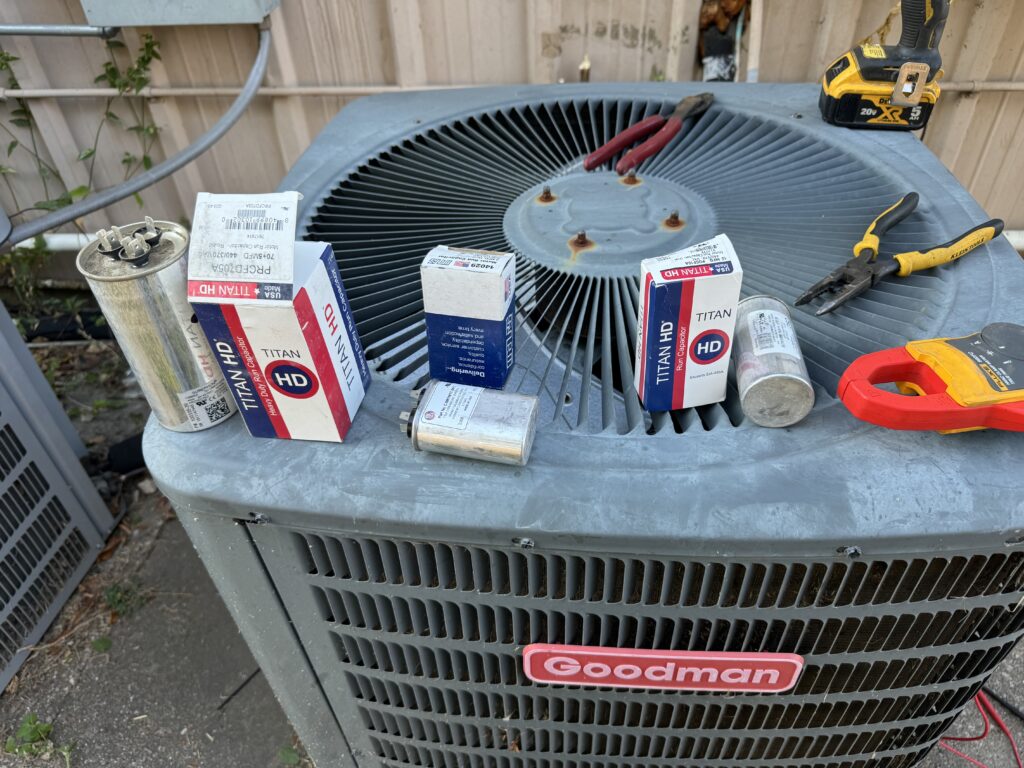
Refrigerant issues are tricky to diagnose without the right tools and training. Pressure gauges, electronic leak detectors, UV dye kits, and digital manifold sets all play a role in finding the source of a leak. A licensed technician knows how to read these tools and interpret the results based on outdoor temperature, system size, and refrigerant type. Without this expertise, it is easy to misdiagnose a problem and waste money on the wrong repair. Many homeowners who try DIY fixes end up calling a professional anyway after the issue gets worse. Hiring a pro from the start saves time, money, and frustration.
Proper diagnosis also protects the rest of your HVAC system from damage. Adding refrigerant to a leaking system without finding the leak is a short-term fix that costs you again within weeks or months. A licensed technician traces the problem to its source and repairs the actual issue, so the fix lasts. They also check the entire system for related problems that might have developed because of the low charge. This thorough approach prevents repeat service calls and extends the life of your equipment.
R.C.’s A/C Reliable Climate technicians arrive on time, explain what they find in plain language, and walk you through repair options before any work begins. We do not push unnecessary upgrades or pad the bill with services you do not need. Our goal is to fix the problem right the first time and earn your trust as your go-to HVAC company. Every service call starts with a complete system inspection, so nothing gets missed.
Licensed HVAC Technicians Handle Refrigerant Safely and Legally
Refrigerant chemicals must be handled with care to protect people, property, and the environment. Federal regulations require certified technicians for all refrigerant work, and improper handling can result in fines for both the homeowner and any unlicensed person doing the work. Modern refrigerants like R-410A operate at very high pressures, and mishandling can cause serious injury. The newer A2L refrigerants like R-454B are mildly flammable, which adds another layer of safety considerations. A licensed HVAC technician knows how to work with these chemicals safely and follow all federal and state regulations.
Proper recovery, recycling, and disposal of refrigerant are also part of the job. Reliable Climate technicians use EPA-approved recovery equipment to capture refrigerant during repairs and dispose of it according to regulations. This protects the environment and keeps our community clean. We also use only manufacturer-approved replacement parts and refrigerant types to maintain warranty coverage on your equipment. Cutting corners on refrigerant work can void your warranty and leave you paying for repairs that should have been covered.
Safety is the top priority on every service call we run. Our technicians wear proper protective equipment, follow safe handling procedures, and never take shortcuts. We carry full liability insurance and workers compensation, so you are protected when our team is on your property. Hiring a licensed and insured HVAC company is the only safe way to handle refrigerant service, and Reliable Climate meets every requirement.
Why Choose R.C.’s A/C Reliable Climate for Your Refrigerant Service
R.C.’s A/C Reliable Climate is locally owned and operated right here in Longview, Texas. We know the East Texas climate, the equipment that works best in our area, and the people we serve. Our team treats every customer like a neighbor, with honest recommendations, fair pricing, and quality workmanship on every job. We do not believe in upselling services you do not need or pushing equipment that does not fit your home.
We offer 24/7 emergency HVAC service for those times when your AC fails on the hottest day of the year. Our service trucks are stocked with common parts and refrigerant types, so we can often complete repairs on the first visit. Financing is available for larger repairs and new installations, making it easier to get the comfort you need without breaking the budget. Every job comes with our commitment to 5 star service from start to finish.
Reliable Climate holds Texas HVAC License TACLA129043C and stands behind our work with a 10-year parts warranty and a 1-year labor warranty. We serve Longview, White Oak, Gilmer, Hallsville, Kilgore, Lakeport, Liberty City, Marshall, and Gladewater with the same dedication and quality. Call us today at (903) 316-6855 or email info@iwantclimate.com to schedule your service. Click here for our air conditioning service and get your system back to running like new.