
How Humidity Affects Indoor Comfort and AC Performance
Humidity plays a massive role in how comfortable your home feels during the hot East Texas summer months. Many homeowners in Longview, Marshall, and Kilgore assume their air conditioner only needs to lower the temperature, but moisture removal is just as important for true indoor comfort. High humidity levels make a 75 degree room feel like 82 degrees, which forces your AC to run longer cycles and drives up your energy bills. Low humidity, on the other hand, can dry out your skin, damage wood furniture, and create static electricity issues throughout the house. Your air conditioning system is designed to handle both temperature and moisture, but it can only do its job correctly when the equipment is sized properly, maintained on schedule, and operating at peak performance. Understanding the relationship between humidity and your AC helps you make smarter decisions about thermostat settings, maintenance, and when to call a professional. This guide breaks down exactly how moisture impacts your comfort, your equipment, and your wallet during a Texas summer.
How Indoor Humidity Levels Affect AC Performance and Home Comfort
Indoor humidity should sit between 30 and 50 percent for the best comfort and air quality, with around 45 percent being the sweet spot for most homes. When humidity climbs above 60 percent, your body cannot evaporate sweat efficiently, which is why the air feels heavy, sticky, and warmer than the thermostat reading suggests. Your AC pulls moisture out of the air every time the evaporator coil cools the warm air passing across it, and that condensation drains away through a small PVC line. A properly working system removes pints of water from your home every hour during peak summer days in East Texas. When humidity is not being controlled, your AC has to fight harder to make you feel cool, which means longer runtimes, higher electric bills, and faster wear on every component inside the unit.
Why Indoor Humidity Levels Hurt AC Performance in Texas Summers
East Texas summers bring brutal humidity along with the heat, and Gregg County homeowners feel the difference every June through September. The outdoor air often holds 70 percent humidity or higher, and every time a door opens or a window seal fails, that moisture seeps into your living space. Your air conditioner then has to remove both heat and water vapor from the air, which is a much bigger workload than just cooling alone. This is why your AC runs almost constantly on those 95 degree afternoons with sticky air, and why undersized or poorly maintained systems struggle to keep up. A unit that cannot dehumidify properly will short cycle, turning off before the moisture is removed and leaving the air clammy. You may notice the thermostat reads 72 degrees, but the house still feels muggy and uncomfortable. That gap between temperature and comfort is almost always a humidity problem, not a cooling problem.
The longer your AC has to run to compensate for poor humidity control, the more strain it places on the compressor, fan motor, and electrical components. Compressors are the most expensive part of any air conditioning system, and excessive runtime is the number one reason they fail early. Higher humidity also means more condensation moving through the drain pan and drain line, which increases the chance of clogs, overflows, and water damage to ceilings or flooring. Algae and mold grow rapidly inside humid drain lines, especially in our Texas climate, and a backed up drain can shut your entire system down through the float safety switch. Regular maintenance keeps these drainage components clear and your humidity removal working the way it should.
Homeowners often try to fight humidity by lowering the thermostat to 68 or 70 degrees, hoping the colder air will feel less sticky. This approach actually makes the problem worse because it forces the AC to overcool the air without giving it enough runtime variety to pull moisture out efficiently. The result is a freezing cold house that still feels damp, plus a power bill that doubles for no good reason. The correct fix is addressing the moisture itself through proper system sizing, regular maintenance, and sometimes adding a whole home dehumidifier. Need help getting your AC ready for the humid Texas summer? Click here for our air conditioning service.
How Indoor Humidity Levels Damage Your AC Equipment Over Time
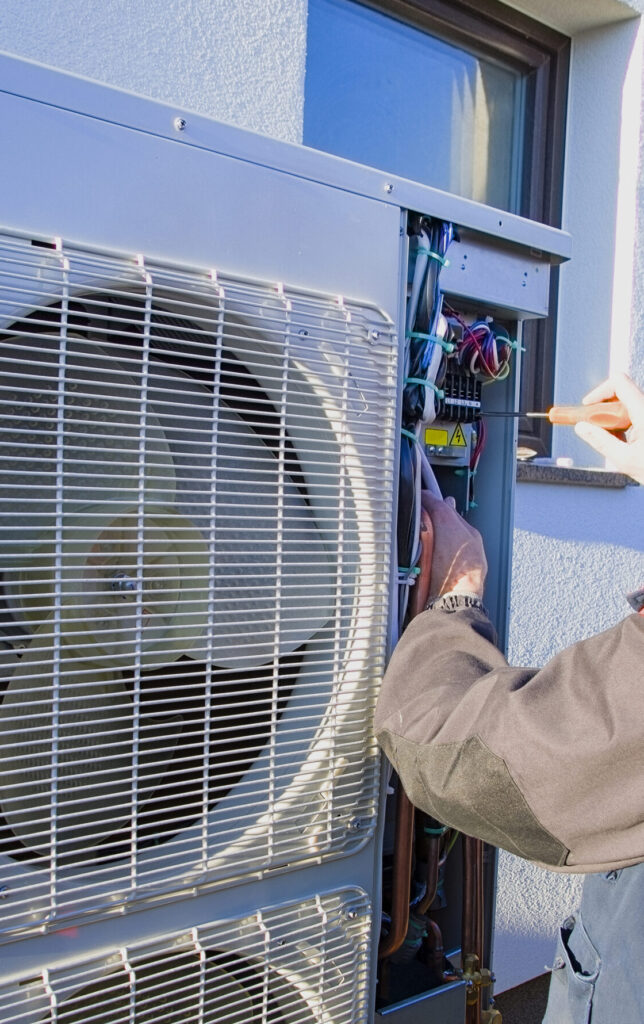
Excess moisture inside your home does more than make you uncomfortable; it slowly destroys your HVAC equipment from the inside out. The evaporator coil sits inside the air handler and gets cold enough to pull water out of the air, but constant moisture exposure leads to corrosion on the aluminum fins and copper tubing. Over time, this corrosion eats pinhole leaks into the coil, which causes refrigerant to escape and your cooling capacity to drop. Once a coil starts leaking, the only real fix is replacement, and a new evaporator coil is a significant investment for any homeowner. Catching humidity related coil problems early during a maintenance visit can save you thousands of dollars in repair costs down the road.
Ductwork takes a beating from indoor humidity as well, especially in attics where temperatures swing dramatically between day and night. When cold supply air runs through a duct surrounded by hot humid attic air, condensation forms on the outside of the duct or inside the insulation jacket. That trapped moisture leads to sagging ducts, mold growth, insulation failure, and eventually full duct replacement. Many older homes in Longview and Marshall have flex duct that was installed without proper vapor barriers, and these systems often need attention after fifteen or twenty years. Sealing leaks and replacing damaged sections helps your AC dehumidify properly and protects your indoor air quality. Curious about your duct condition? Click here for our air ducts service.
The blower motor and electrical components inside your air handler also suffer from high humidity exposure over the long run. Moisture causes circuit boards to corrode, capacitors to fail prematurely, and contactor points to pit and burn out faster than they should. You may notice your system tripping the breaker, making a humming noise without starting, or short cycling on hot afternoons. These symptoms often trace back to electrical components that have been weakened by years of moisture exposure inside a poorly dehumidified home. Catching these issues during a tune up costs a fraction of what an emergency repair on a 100 degree day will set you back, which is why annual maintenance pays for itself many times over.
How Indoor Humidity Levels Impact Your Indoor Air Quality
Humidity above 60 percent creates the perfect environment for mold, mildew, dust mites, and bacteria to thrive throughout your home. These biological contaminants release spores and waste products into the air, which then circulate through your ductwork every time the AC runs. Family members with allergies, asthma, or respiratory conditions often see their symptoms get noticeably worse during humid stretches when the AC is not removing enough moisture. You may smell a musty odor, see condensation on windows, or notice spots of mold growing on bathroom ceilings and around windows. All of these are signs that indoor humidity is too high and your AC system needs attention from a qualified technician.
Wood floors, doors, cabinets, and furniture also suffer when humidity stays too high for too long. Wood absorbs moisture from the air and expands, causing doors to stick, floors to cup or buckle, and trim to pull away from walls. Once humidity drops back down during dry winter months, the wood contracts and creates gaps that may never close completely. Musical instruments, electronics, books, and artwork all degrade faster in humid conditions, and the damage often goes unnoticed until it is too late to reverse. Protecting your home and belongings starts with making sure your air conditioning system can handle East Texas humidity year after year.
On the opposite end, humidity that drops below 30 percent during winter heating season creates its own set of problems. Dry air causes itchy skin, scratchy throats, nosebleeds, and increased static electricity that can damage sensitive electronics. Wood shrinks, paint cracks, and pets may develop dry skin issues from the lack of moisture in the air. Many East Texas homes need humidity added back in during the winter, especially when the furnace runs constantly on cold nights. A whole home humidifier installed onto your HVAC system maintains balanced humidity year round and protects both your comfort and your home from the damage that comes with extreme moisture swings in either direction.
How Your AC System Controls Humidity in Your Longview Home
Your air conditioner removes humidity through a process called condensation, which happens naturally when warm humid air passes across the cold evaporator coil inside your indoor air handler. The coil temperature drops well below the dew point of the air, which forces water vapor to condense into liquid droplets on the coil surface. Those droplets then fall into the drain pan below and exit your home through the condensate drain line that runs outside. A correctly sized and properly maintained AC system removes between five and twenty gallons of water from a typical East Texas home every single day during the peak of summer. Understanding how this process works helps you spot problems early and keep your system running efficiently year after year.
How Your AC System Controls Humidity Through Proper Sizing
System sizing is the single most important factor in how well your AC controls humidity in your home. An oversized unit cools the air too quickly and shuts off before it has time to pull moisture out, which leaves you with a cold but clammy living space. This is one of the most common mistakes in residential HVAC, especially in homes where the original equipment was replaced without a proper load calculation. Bigger is not better when it comes to air conditioning; the right size for your specific home is what matters. A Manual J load calculation accounts for square footage, insulation, window placement, ceiling height, and dozens of other factors that determine the actual cooling demand.
An undersized unit creates the opposite problem by running constantly and still failing to keep up on hot days. The system never cycles off long enough to allow the coil to drain properly, and the compressor wears out years before it should. You end up with high electric bills, poor comfort, and a major repair or replacement bill much sooner than expected. Many homes in Longview and Hallsville have systems that were sized based on a rule of thumb rather than a real calculation, which is why some houses cool well while others struggle in identical weather. Replacing a poorly sized system with the correct equipment makes a dramatic difference in both comfort and operating costs from day one.
Variable speed and two stage air conditioners handle humidity far better than older single stage units because they can run at lower capacities for longer periods. Longer runtimes at reduced output mean the coil stays cold and continues pulling moisture out of the air without overcooling the space. These modern systems often hold indoor humidity between 45 and 50 percent automatically, which feels significantly more comfortable than a single stage unit running the same thermostat setting. Energy savings are another major benefit because the compressor draws less power at reduced capacity. Thinking about upgrading your AC for better humidity control? Click here for our air conditioning service.
How Your AC System Controls Humidity Through Regular Maintenance
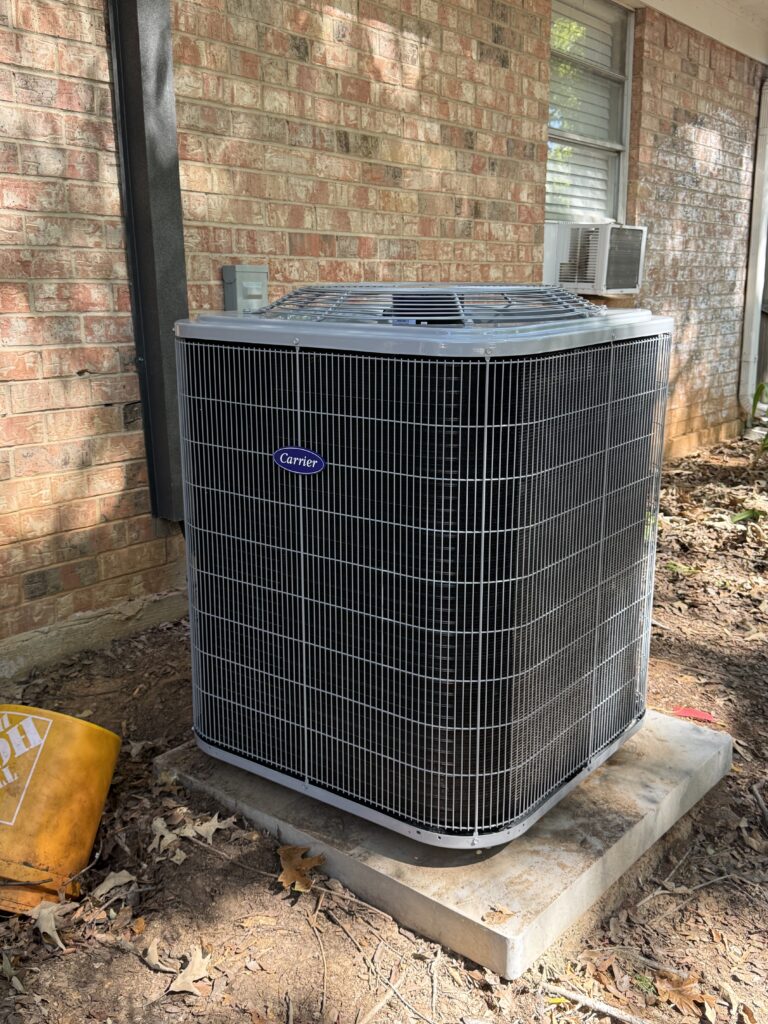
Annual maintenance is what keeps your AC pulling moisture out of the air the way it was designed to do. A dirty evaporator coil cannot transfer heat efficiently, which means it does not get cold enough to condense water vapor out of the air passing across it. Dust, pet dander, and biological growth build up on the coil fins over time and create an insulating layer that destroys both cooling and dehumidification performance. A professional cleaning during a tune up restores the coil to like new condition and brings your humidity removal back to factory specifications. Most homeowners are shocked at how much better their home feels after a thorough coil cleaning, especially in homes that have not had service in several years.
The condensate drain line is another critical part of humidity control that gets overlooked far too often. When the drain clogs with algae, dirt, or insulation debris, water backs up into the drain pan and eventually triggers the safety float switch that shuts the entire system down. Even before the system shuts off, a partially blocked drain causes water to overflow and damage ceilings, walls, and flooring beneath the air handler. Professional drain cleaning with a wet vacuum, nitrogen blast, or chemical treatment removes buildup and prevents these failures during the hottest part of summer. Annual maintenance always includes drain inspection and clearing as a standard step.
Airflow problems also destroy humidity removal even when the coil is clean and the drain is clear. A dirty air filter, collapsed return duct, or weak blower motor reduces the volume of air moving across the coil, which throws off the entire moisture removal process. You may notice ice forming on the refrigerant lines, uneven cooling between rooms, or air that just does not feel cold coming out of the vents. All of these symptoms point back to airflow issues that a qualified technician can diagnose and correct. Changing your filter every one to three months is the single easiest thing you can do to protect humidity control and overall system performance.
How Your AC System Controls Humidity With Whole Home Dehumidifiers
Sometimes your AC alone cannot keep up with the humidity load in your home, especially during shoulder season days when temperatures are mild but moisture is high. April, May, October, and the first half of November in East Texas often bring 70 percent outdoor humidity with temperatures only in the upper 70s, which means the AC barely needs to run for cooling. The thermostat is satisfied, but the air still feels damp and sticky inside the house. A whole home dehumidifier installed into your HVAC ductwork solves this problem by removing moisture independently of the cooling cycle. These units pull 70 to 100 pints of water per day out of the air and dump it directly into your existing drain system.
Whole home dehumidifiers also help during the peak of summer by working alongside your AC to maintain ideal humidity levels around 45 percent. The combined system keeps your home dry and comfortable without forcing the AC to overcool the space just to compensate for moisture problems. You can actually raise your thermostat two or three degrees and still feel more comfortable than you did before, which translates directly into lower electric bills every month. Many customers in Longview and Marshall report dramatic improvements in sleep quality and overall comfort after adding a whole home dehumidifier to their system.
Spot dehumidifiers from big box stores can help in a single room, but they cannot match the performance, efficiency, or convenience of a whole home unit installed by a professional. Portable units require constant emptying of the water tank, run loud motors right in your living space, and only treat the air in one room at a time. A whole home dehumidifier runs quietly in the attic or closet, drains automatically, and treats every room your ductwork serves. The investment pays back through better comfort, lower cooling costs, and protection of your home and belongings from humidity damage over the long term.
Why You Need Professional Humidity and AC Service in East Texas
Controlling humidity inside your home takes more than just turning the thermostat down a few degrees on a sticky afternoon. It requires properly sized equipment, clean coils, clear drains, sealed ductwork, and sometimes additional accessories like dehumidifiers built right into your system. R.C.s A/C Reliable Climate has been serving Longview and the surrounding East Texas area with honest expertise and 5 star service. We never push unnecessary upsells and always recommend the right solution for your specific home and budget. Comfort and efficiency go hand in hand, and we make sure both are dialed in before we leave your driveway.
Why You Need Professional Humidity Diagnosis From R.C.s A/C Reliable Climate
Diagnosing humidity problems takes years of experience and the right testing equipment to get right the first time. Our technicians measure indoor and outdoor humidity levels, check static pressure throughout the duct system, inspect coil cleanliness, and verify proper refrigerant charge during every service call. Each of these factors plays a role in how well your system removes moisture, and missing any one of them leads to a misdiagnosis and wasted money. We take the time to find the actual cause rather than just treating symptoms, which saves you from repeat service calls and unnecessary repairs.
Many homeowners call us after another company has been out two or three times without solving the problem. We often find that the previous technician focused on refrigerant levels or thermostat settings without ever checking airflow, sizing, or duct integrity. A complete humidity diagnosis looks at the entire system as one connected unit because every component affects the others. Our approach catches the root cause the first time and gets your home comfortable again with one visit instead of five. That is the kind of service that has built our reputation across Gregg, Harrison, and Upshur counties.
We also explain everything we find in plain language so you understand what is happening with your equipment and why we recommend the repairs we do. No high pressure sales tactics, no scary stories designed to push expensive replacements, and no hidden charges on the invoice. You get honest information, a fair price, and quality work backed by our 10 year parts warranty and 1 year labor warranty. That transparency is why so many of our customers refer their friends and family to us year after year.
Why You Need Professional Humidity Solutions From R.C.s A/C Reliable Climate
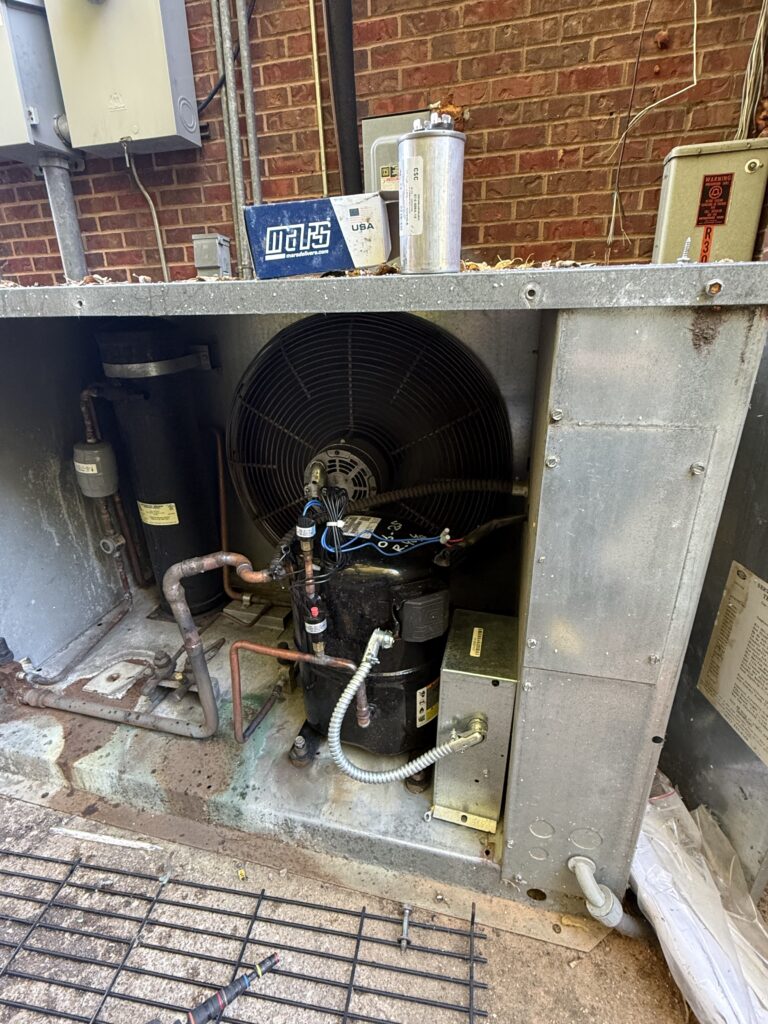
Once we identify the cause of your humidity problems, we offer real solutions that fit your home and your budget. Sometimes the fix is as simple as a thorough coil cleaning and drain treatment, which restores moisture removal and gets you back to comfortable in a single visit. Other times we may recommend duct sealing, a blower motor upgrade, or a properly sized equipment replacement that delivers years of reliable performance. We walk you through every option with clear pricing so you can make the best decision for your home. Financing is available for larger projects so cost never has to stand in the way of comfort.
For homes with persistent humidity issues that the AC alone cannot solve, we install whole home dehumidifiers from trusted brands with proven track records. These systems integrate seamlessly with your existing HVAC equipment and bring indoor humidity down to the ideal range automatically. We size the dehumidifier to your home, install it correctly into the return duct or supply duct, and program the controls so it runs only when needed. The result is a noticeably more comfortable home with lower cooling bills and better protection for your furniture, flooring, and belongings.
Free estimates on new installations make it easy to explore your options without any pressure or obligation. We come out, measure your home, calculate the proper load, and give you a detailed proposal with multiple equipment options at different price points. You get straight answers about what each system will do for your humidity and comfort, plus realistic expectations about energy savings and lifespan. That kind of honest education is exactly what you should expect from a contractor you let into your home.
Why You Need R.C.s A/C Reliable Climate for All Your HVAC Needs
R.C.s A/C Reliable Climate is locally owned and operated right here in Longview at 3 Lewis Drive, and we have built our business on doing right by our neighbors. Texas HVAC License TACLA129043C, fully insured, and dedicated to providing 5 star service on every call we run. Our technicians arrive on time, treat your home with respect, and clean up after themselves before they leave. Those small details matter, and they are part of what sets us apart from the bigger national chains that treat customers like a number.
We offer 24/7 emergency HVAC service for the situations that just cannot wait until Monday morning. A failed AC on a 100 degree July afternoon is more than an inconvenience; it can be a health risk for elderly family members, young children, and pets. When you call us, you get a real technician on the way, not a sales rep trying to schedule you out three days. Our 10 year parts warranty and 1 year labor warranty give you peace of mind that the work will hold up long after we drive away.
Reach out today at (903) 316-6855 or email info@iwantclimate.com to schedule your humidity assessment, AC tune up, or any other HVAC and refrigeration service you need. We serve Longview, White Oak, Gilmer, Hallsville, Kilgore, Lakeport, Liberty City, Marshall, and Gladewater with the same honest service and fair pricing every day of the week. Stop fighting humid air and skyrocketing electric bills, and let our team get your home running the way it should. R.C.s A/C Reliable Climate is the partner you can count on for comfort, efficiency, and reliable service across East Texas.