
What Homeowners Should Know About HVAC Warranties
Purchasing a new heating and cooling system is one of the most significant financial investments a homeowner makes. The equipment responsible for keeping your home comfortable in Longview is complex and expensive. When you spend thousands of dollars on a new installation, you expect it to last for many years. A warranty serves as your financial safety net against defects and premature failures. However, the paperwork that comes with a new air conditioner or furnace is often confusing and filled with legal jargon. Many homeowners mistakenly assume that a warranty covers everything for the life of the system. This assumption can lead to shock and frustration when a repair bill arrives. Understanding the fine print protects your wallet and ensures you get the full value of what you purchased.
A warranty is essentially a promise from the manufacturer and the installing contractor. It guarantees that the equipment will function as intended for a set period. If a component fails due to a manufacturing defect, the warranty should cover the cost of the replacement part. This protection provides peace of mind, especially during the scorching Texas summers when systems are under maximum stress. While the concept is simple, the execution is nuanced. There are different types of warranties, strict requirements for coverage, and specific exclusions that every homeowner must understand. Navigating these details before you buy a system helps you make an informed decision and avoid unexpected costs down the road.
The Difference Between Parts and Labor Warranties
The most critical distinction in HVAC coverage is the difference between a parts warranty and a labor warranty. These are two separate agreements provided by two different entities. The parts warranty comes directly from the manufacturer of the equipment. Companies like Carrier, Trane, or Lennox guarantee their physical components against defects. If a compressor fails or a control board shorts out within the coverage period, the manufacturer provides a free replacement part. This coverage typically lasts for ten years on major components if the unit is registered correctly. However, this warranty only covers the physical item itself. It does not cover the shipping, handling, or administrative fees associated with processing the claim.

The labor warranty is provided by the HVAC contractor who installs the system. R.C.’s A/C Reliable Climate offers a one year labor warranty on our installations. This coverage pays for the time and expertise of the technician who performs the repair. Replacing a compressor is a labor-intensive job that requires specialized tools, refrigerant recovery, and brazing. Without a labor warranty, the homeowner is responsible for paying the hourly rate of the technician. This labor cost can sometimes exceed the value of the part itself. A standard manufacturer warranty almost never covers labor costs. Homeowners must understand that getting a “free” replacement part does not mean the repair will be free of charge.
There is often confusion when a breakdown occurs three years after installation. The homeowner might remember a ten year warranty and expect a zero balance invoice. In reality, the part is free, but the three hours of labor to install it are billable. High quality contractors are transparent about this separation from day one. We ensure our customers know exactly what is covered by the manufacturer and what is covered by us. This clarity prevents uncomfortable conversations and ensures expectations align with reality. Knowing the limits of your labor coverage allows you to budget for potential service calls after the first year of ownership.
The Importance of Product Registration
Most equipment manufacturers offer a tiered warranty structure based on registration. When you buy a new air conditioner, it usually comes with a base warranty of five years on parts. To unlock the full ten year coverage, the homeowner or the contractor must register the serial numbers with the manufacturer within a specific window. This window is typically sixty days to ninety days after the date of installation. If you miss this deadline, the warranty defaults to the shorter five year term. Losing five years of protection simply because paperwork was not filed is a costly mistake.
Many reputable HVAC companies handle this registration process on behalf of their customers. We take the time to record the model and serial numbers and submit the information to the manufacturer. However, the ultimate responsibility often falls on the homeowner to verify that this has been done. You should always ask for a confirmation certificate or look up your warranty status on the manufacturer’s website. This document is your proof of coverage. If you sell your home or need service from a different company in the future, having this certificate readily available speeds up the process.
The registration process also establishes the start date of the warranty. For new construction homes, the start date is usually the date of closing, not the date of installation. For replacement systems in existing homes, it is the day the unit was installed. Establishing this timeline is crucial for claims made near the end of the warranty period. A dispute over a few days can determine if a thousand dollar compressor is covered or not. diligence during the first few months of ownership secures your protection for the next decade.
Routine Maintenance Requirements
A warranty is not an unconditional guarantee. It is a contract that requires the owner to maintain the equipment. Nearly every HVAC manufacturer includes a clause stating that coverage is contingent upon regular professional maintenance. They view the system like a car. If you never change the oil in your car and the engine seizes, the car manufacturer will not replace the engine under warranty. Similarly, if you never wash your condenser coils or change your filters and the compressor dies, the HVAC manufacturer can deny your claim.
Proof of maintenance is rarely asked for on small claims, but it is frequently requested for catastrophic failures. If a compressor or heat exchanger fails, the manufacturer may ask for service records to prove the unit was not neglected. Neglect is the leading cause of premature failure. A system that runs with dirty coils or restricted airflow works much harder than designed. This extra stress causes parts to break. The manufacturer agrees to cover defects, not abuse. Failure to maintain the unit is considered abuse in the eyes of the warranty department.
Keeping a file of your service invoices is the best way to protect your warranty status. These records serve as your proof that you upheld your end of the bargain. Enrolling in a maintenance plan with a licensed contractor simplifies this process. It ensures the maintenance is done on schedule and the records are kept digitally by the service provider. R.C.’s A/C Reliable Climate performs thorough inspections that meet all manufacturer requirements. We help you protect your investment by keeping the system clean and documenting its condition annually.
What Voids an HVAC Warranty
Several actions can void a warranty instantly. The most common is the use of unapproved parts. Manufacturers design their systems to work with specific components (OEM parts). If a technician installs a generic motor or a universal control board, it can alter the performance of the unit. If that generic part causes another component to fail, the manufacturer will deny coverage. They are not responsible for damage caused by parts they did not engineer or approve. Homeowners should always insist on OEM parts for repairs on effective in-warranty equipment.
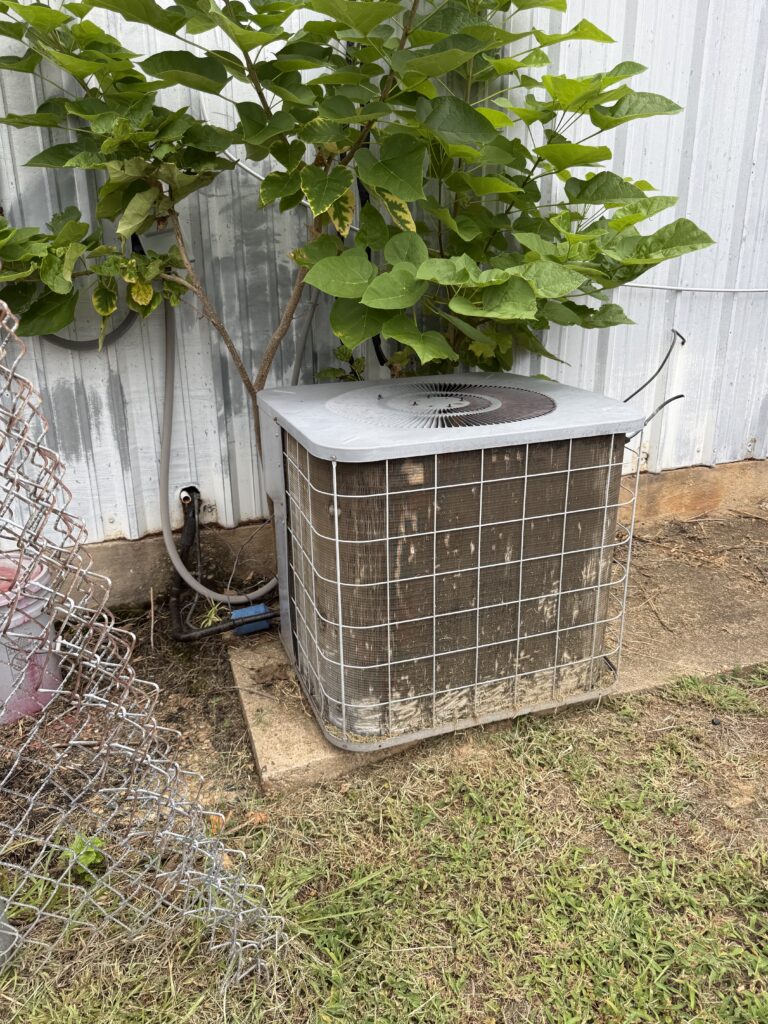
Improper installation is another major factor. If a system was installed incorrectly from the start, the manufacturer may void the warranty. This includes issues like improper sizing of the unit, bad ductwork design, or incorrect refrigerant charge. The manufacturer assumes the installing contractor is licensed and follows their installation manual. If an inspection reveals that the unit was installed in a way that violates local codes or manufacturer guidelines, the warranty is worthless. This highlights the importance of choosing a reputable, licensed contractor like R.C.’s A/C Reliable Climate over a handyman or unlicensed installer.
DIY repairs are also a significant risk. Homeowners who attempt to fix their own AC units often inadvertently cause more damage. Accessing the internal wiring or refrigerant circuit without a license is illegal in many cases and certainly violates the warranty terms. Even something as simple as adding the wrong type of refrigerant can destroy the compressor. Manufacturers require that certified professionals handle their equipment. If they suspect that an unqualified person worked on the unit, they have the right to refuse the claim. Professional intervention is the only safe way to keep your coverage intact.
Transferring Warranties to New Owners
Life changes and homeowners often move before their HVAC warranty expires. The transferability of a warranty is a key feature that adds value to a home. However, warranties do not always transfer automatically. Many manufacturers require the new owner to pay a transfer fee and fill out paperwork within thirty days of closing on the house. If this step is missed, the warranty might be terminated completely or revert to the base five year term.
Some warranties are not transferable at all. They are valid only for the original purchaser of the equipment. This is more common with extended labor warranties or specific budget brands. It is vital to read the terms regarding transferability if you plan to sell your home. Being able to offer a potential buyer five or six years of remaining warranty coverage is a strong selling point. It assures them that they will not face immediate repair bills.
For the buyer of a home with a relatively new system, verifying the warranty status should be part of the inspection period. Do not take the seller’s word for it. Ask for the original installation documents and the warranty certificate. Call the manufacturer or the installing contractor to confirm that the warranty is active and transferrable. Knowing the status of the HVAC warranty helps you negotiate and budget for your new home. It prevents unpleasant surprises during your first summer in the new property.
Extended Labor Warranties
Standard labor warranties from contractors usually last one or two years. Given that parts are covered for ten years, this leaves a significant gap in coverage. Extended labor warranties are insurance policies designed to fill this gap. These can be purchased from the manufacturer or through third party insurance companies. They cover the cost of labor for the duration of the parts warranty, usually up to ten years.
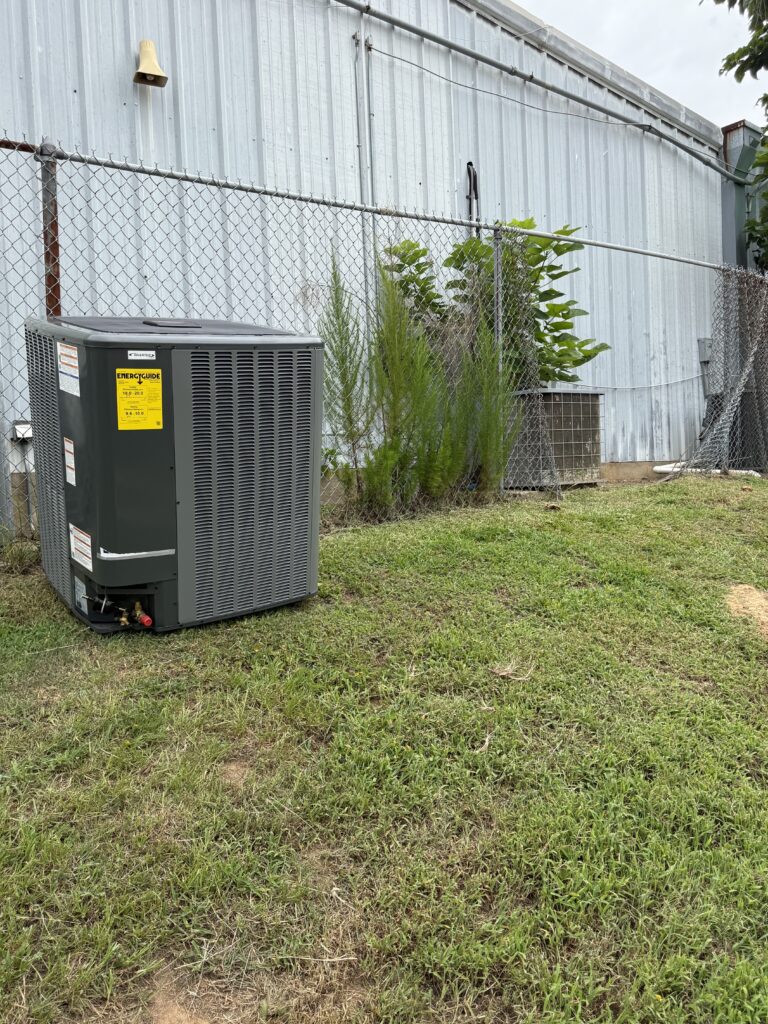
These policies can be expensive upfront, ranging from several hundred to over a thousand dollars. The decision to buy one depends on your risk tolerance. With labor rates rising every year, one major repair in year seven could cost more than the price of the extended warranty. If the compressor fails, the labor alone could be substantial. An extended labor warranty makes that repair effectively free. For homeowners on a fixed income or those who want zero unexpected costs, this is an attractive option.
However, there are downsides. Third party warranty companies can be difficult to deal with. They often have strict limits on what they pay and which contractors you can use. Some require pre-authorization for every repair, which can delay service during a heatwave. Others have gone out of business, leaving policyholders with nothing. Manufacturer backed labor warranties are generally safer but might be tied to specific dealers. We can help you evaluate if an extended labor warranty makes sense for your financial situation and the specific equipment you are installing.
Incidental Damage and Exclusions
Warranties cover mechanical failures due to defects. They do not cover damage caused by external forces. If a tree limb falls on your outdoor unit, the warranty will not pay for it. That is a claim for your homeowner’s insurance. Similarly, damage caused by power surges or lightning strikes is excluded. The electronic boards in modern air conditioners are sensitive to voltage spikes. Installing a surge protector is a wise investment because it protects components that the warranty will not.
Acts of nature like floods, fires, and hail are also standard exclusions. If hail flattens the fins on your condenser coil, the manufacturer considers that environmental damage. Pest damage is another common exclusion. If ants short out your contactor or mice chew through your thermostat wires, the repair bill falls to you. The warranty assumes the unit is operating in a safe, normal environment.
It is also important to note that warranties do not cover routine maintenance items. You cannot file a claim for a dirty air filter, a washed capacitor, or a pound of refrigerant. These are consumable items or standard service tasks. The warranty covers the failure of the part, not the upkeep of it. Understanding the difference between a repair and maintenance prevents frustration when you receive a bill for a tune up.
Understanding your HVAC warranty is the key to maximizing the value of your investment. It requires looking beyond the bold print on the brochure and understanding the obligations of both the manufacturer and the homeowner. A warranty is a partnership that requires registration, regular maintenance, and professional service to remain valid. It provides a safety net against defects but it is not a shield against neglect or external damage. Being proactive about your warranty status protects your wallet and ensures your home stays comfortable.
R.C.’s A/C Reliable Climate is committed to transparency and honesty in every interaction. We stand behind our work with a one year labor warranty and install equipment with robust manufacturer protection. We guide our Longview customers through the registration process and provide the quality maintenance needed to keep those warranties active. We believe that an informed homeowner is a happy homeowner. If you have questions about your current coverage or are looking to install a new system with a strong warranty, contact us today. Let us provide the dependable comfort solutions you deserve.