
Why Indoor Air Quality Gets Worse in Late Summer
Late summer in East Texas brings some of the worst indoor air quality of the entire year, and most homeowners never connect the dots. Your air conditioner has been running nonstop since May, humidity levels outside are still brutal, and your home has been sealed tight for months. All of that adds up to trapped pollutants, elevated moisture, and an HVAC system that is working with a full season of dust and debris inside it. Ragweed pollen also peaks in August and September across Texas, so allergens are pouring into your home every time a door opens. Meanwhile, mold and dust mites thrive in the warm, humid conditions that late summer creates indoors. If your family is sneezing more, sleeping worse, or noticing musty odors, your indoor air is likely the reason. This post explains why indoor air quality drops in late summer and what you can do to fix it before fall arrives.
How Late Summer Conditions Cause Poor Indoor Air Quality
Indoor air quality is a direct result of what your HVAC system circulates, and by August that system has been under heavy load for months. Air filters clog faster during peak cooling season because the blower runs longer hours and pulls in more airborne particles. Ductwork collects dust, pet dander, and pollen all summer, then redistributes it every cooling cycle. High outdoor humidity also pushes moisture indoors, and moisture is the fuel that mold, mildew, and dust mites need to multiply. Homes stay closed up to keep cool air inside, which means pollutants have no way to escape. Cooking fumes, cleaning chemicals, and off gassing from furniture all build up in the recirculated air. The result is indoor air that can be several times more polluted than the air outside. Understanding each of these factors is the first step toward breathing easier in your home.
Clogged Air Filters Are the Top Cause of Poor Indoor Air Quality
Your air filter is the first line of defense for indoor air quality, and by late summer it has usually taken a beating. A filter that was fresh in June can be completely loaded with dust, pollen, and pet hair by August after months of continuous runtime. Once a filter clogs, it stops capturing new particles effectively, and some debris can even blow past the filter media into your ductwork. Airflow drops at the same time, which forces your blower motor to work harder and reduces the amount of clean, conditioned air reaching each room. Restricted airflow also causes the evaporator coil to run colder than designed, which can lead to coil icing and moisture problems. Many homeowners set a reminder to change filters in spring and fall but forget the midsummer change that matters most. During peak cooling season, a standard one inch filter should be checked monthly and replaced whenever it looks gray or loaded. This one habit does more for indoor air quality than almost any other maintenance step.
Filter quality matters just as much as filter frequency when it comes to indoor air quality. Cheap fiberglass filters catch large debris but let smaller particles like pollen, mold spores, and fine dust pass straight through. A pleated filter with a MERV rating between 8 and 13 captures far more of the particles that trigger allergies and asthma. Ratings above 13 can restrict airflow in residential systems that were not designed for them, so higher is not always better. The right filter balances filtration performance with the airflow your specific blower can handle. An HVAC technician can tell you the maximum MERV rating your system supports without straining the motor. Upgrading from a basic filter to a properly matched pleated filter is one of the cheapest indoor air quality improvements available. Most homeowners notice less dust on furniture within a few weeks of making the switch.
There are warning signs that tell you a clogged filter is already hurting your indoor air quality. Dust building up quickly on shelves and vents means particles are circulating instead of being captured. Weak airflow from supply registers points to a filter choking the system. Allergy symptoms that get worse indoors, especially at night, often trace back to a dirty filter spreading allergens through the bedroom. You may also notice longer cooling cycles and higher electric bills because the system struggles to move air. A musty or dusty smell when the AC kicks on is another red flag. Pull your filter out and hold it up to a light; if you cannot see light through it, it is overdue for replacement. Need help getting your cooling system and filtration back in shape? Click here for our air conditioning service.
Dirty Air Ducts Spread Indoor Air Quality Problems Through Every Room
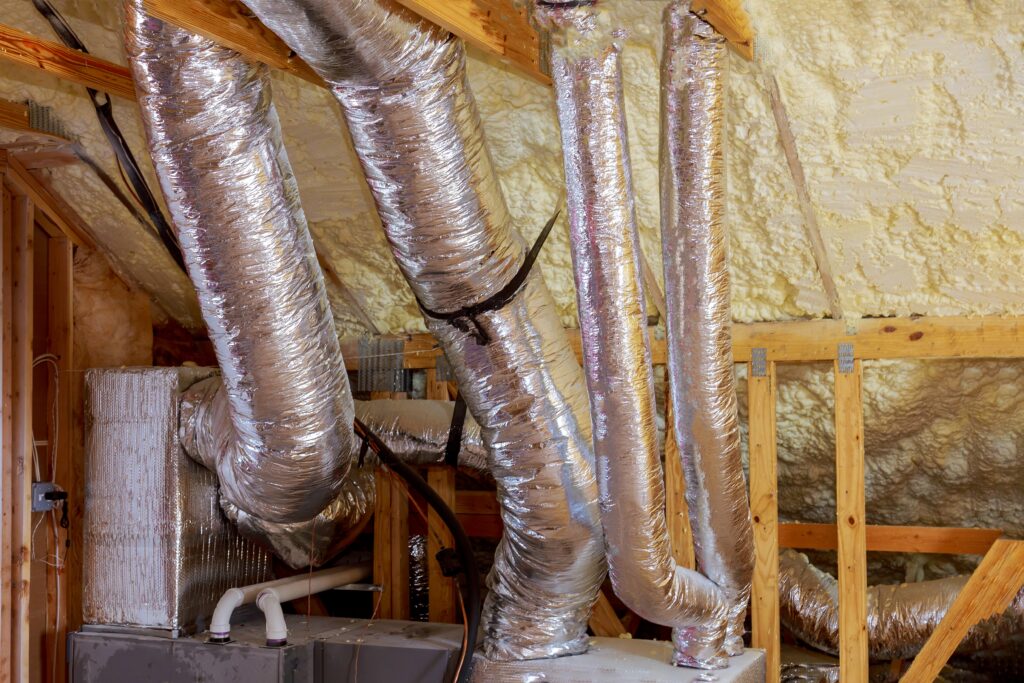
Your ductwork is the delivery system for every breath of conditioned air in your home, and by late summer it is often the dirtiest it will be all year. Dust, pollen, insect debris, and pet dander accumulate inside supply and return ducts throughout the cooling season. Every time the blower starts, some of that buildup breaks loose and blows directly into your living spaces. Return ducts are especially prone to buildup because they pull unfiltered room air back toward the system. If any duct sections leak, they can also pull in attic dust, insulation fibers, and hot humid air from unconditioned spaces. That humid attic air raises moisture levels inside the ducts, and moisture plus dust creates the perfect environment for mold growth. A home can be cleaned top to bottom and still feel dusty within days if the ducts are contaminated. This is why duct condition is central to any real indoor air quality plan.
Duct leaks deserve special attention because they damage indoor air quality in two directions at once. Leaky supply ducts blow expensive conditioned air into your attic or crawlspace, which raises your cooling bills and reduces comfort. Leaky return ducts do the opposite; they suck in dirty, humid air from spaces you would never want to breathe from. Studies from the Department of Energy show typical homes lose 20 to 30 percent of conditioned air through duct leaks. In East Texas, that means humid August air loaded with dust and fiberglass particles gets pulled into your airstream daily. Sealing those leaks keeps contaminants out, lowers humidity, and improves system efficiency at the same time. Signs of duct leakage include rooms that never cool properly, high energy bills, and excessive dust despite regular filter changes. A professional duct inspection can pinpoint leaks that homeowners have no way to see.
Professional duct cleaning and sealing restores your ductwork to a clean, tight delivery system. Technicians use powerful vacuum equipment and rotating brushes to remove years of accumulated debris from supply and return runs. Sealing is done with mastic or specialized sealant products that close gaps at joints, boots, and plenum connections. Homes with pets, recent renovations, or visible mold in the ducts benefit the most from cleaning. After the service, many homeowners report less dusting, fewer allergy flareups, and better airflow to distant rooms. Late summer is a smart time to schedule this work because you clear out an entire season of buildup before fall allergens arrive. Clean ducts also let your system heat more efficiently once winter comes. Want cleaner air from every vent in your home? Click here for our air duct services.
High Humidity Makes Indoor Air Quality Worse Than Any Other Season
Humidity is the hidden driver behind most late summer indoor air quality complaints in Texas. Outdoor dew points in Longview regularly sit in the 70s during August, and some of that moisture always finds its way inside. Indoor relative humidity above 60 percent creates ideal conditions for mold spores to germinate on walls, ceilings, and inside HVAC equipment. Dust mites, one of the most common allergy triggers, also multiply rapidly in humid air. High moisture makes the air feel warmer than the thermostat reads, so people lower the setpoint and run the system even harder. Volatile organic compounds from paints, cleaners, and furniture also off gas faster in warm, humid conditions. The combination of mold spores, dust mites, and elevated chemical concentrations is why so many people feel congested at home in late summer. Controlling humidity is not optional in East Texas; it is the foundation of healthy indoor air.
Your air conditioner is your primary dehumidifier, but only when it is sized and running correctly. As warm air passes over the cold evaporator coil, moisture condenses out and drains away, which is how the system dries your air. An oversized AC cools the house so fast that it shuts off before removing enough moisture, leaving the home cold and clammy. A dirty coil or low refrigerant charge also cripples moisture removal even when the system seems to cool fine. Short cycling caused by thermostat problems produces the same result. If your home feels sticky even at 72 degrees, your system is failing at dehumidification and needs professional attention. A technician can check refrigerant charge, clean the coil, and verify the system is removing the moisture it should. Fixing these issues often improves comfort more than lowering the thermostat ever could.
Some homes need more moisture control than the air conditioner alone can provide. A whole home dehumidifier ties into your ductwork and removes moisture independently of the cooling cycle, holding indoor humidity at a steady 45 to 50 percent. That range is low enough to stop mold and dust mite growth but comfortable for people, pets, and wood furnishings. Smart thermostats with humidity sensing can also run the AC fan strategically to improve moisture removal. Simple habits help too; run bathroom exhaust fans during showers, use the kitchen vent hood while cooking, and fix plumbing leaks quickly. Keep an eye on condensation around windows and musty smells in closets, since both signal humidity problems. Homes with crawlspaces should also check for standing water or damp soil under the house. Addressing humidity now prevents mold remediation bills later.
Indoor Air Quality Solutions That Work Before Fall Allergy Season
The good news is that late summer indoor air quality problems respond quickly to the right fixes. Ragweed season in East Texas runs from August through November, so improvements you make now pay off for months. The most effective strategy combines better filtration, cleaner equipment, and active humidity control rather than relying on any single fix. Some solutions are simple homeowner tasks, like upgrading filters and running exhaust fans. Others require professional service, like coil cleaning, duct sealing, and air purification equipment. Timing matters because HVAC companies get slammed with heating calls once the first cold front arrives. Scheduling indoor air quality work in late summer means faster appointments and a healthier home heading into fall. Here are the solutions that deliver the biggest results.
Whole Home Air Purification Improves Indoor Air Quality Around the Clock
Whole home air purifiers install directly in your ductwork and treat every cubic foot of air your system moves. Unlike portable units that clean a single room, these systems work continuously across the entire house whenever the blower runs. Media air cleaners use thick, high capacity filters that capture far more particles than a standard one inch filter. Some models trap particles down to 0.3 microns, which covers most pollen, mold spores, pet dander, and fine dust. UV germicidal lights mounted at the evaporator coil kill mold and bacteria before they can colonize the wet coil surface. That matters in late summer because the coil stays damp constantly and is a prime spot for microbial growth. Photocatalytic and ionization systems can also reduce odors and airborne viruses. The right combination depends on your family’s specific sensitivities and your existing equipment.
Choosing the correct purification technology requires an honest assessment of your home’s problems. Families dealing with pollen and dust allergies get the most benefit from high MERV media filtration. Homes with musty odors or past moisture issues benefit from UV lights that stop mold at the source. Households with smokers, strong cooking odors, or chemical sensitivities may need activated carbon filtration to remove gases that particle filters miss. Beware of companies that push the most expensive system regardless of your actual needs. R.C.s A/C Reliable Climate gives honest recommendations with no unnecessary upsells, so you only pay for equipment that solves your problem. A proper evaluation includes checking your ductwork, measuring your blower capacity, and asking about your family’s symptoms. That groundwork ensures the system you buy actually delivers cleaner air.
Installation quality determines how well any air purification system performs over time. Media cabinets must be sealed into the return plenum correctly so unfiltered air cannot bypass the filter. UV lights need proper placement at the coil and drain pan to be effective, and bulbs require annual replacement to maintain output. An improperly installed system can restrict airflow and hurt performance instead of helping. Professional installation also includes verifying static pressure so your blower is not overworked. Once installed, maintenance is simple; media filters typically last six months to a year, far longer than standard filters. Many homeowners notice reduced dust, fewer morning allergy symptoms, and fresher smelling air within the first week. Late summer installation means your purification system is fully operational before ragweed counts peak in September.
AC Maintenance Protects Indoor Air Quality During Peak Cooling Season
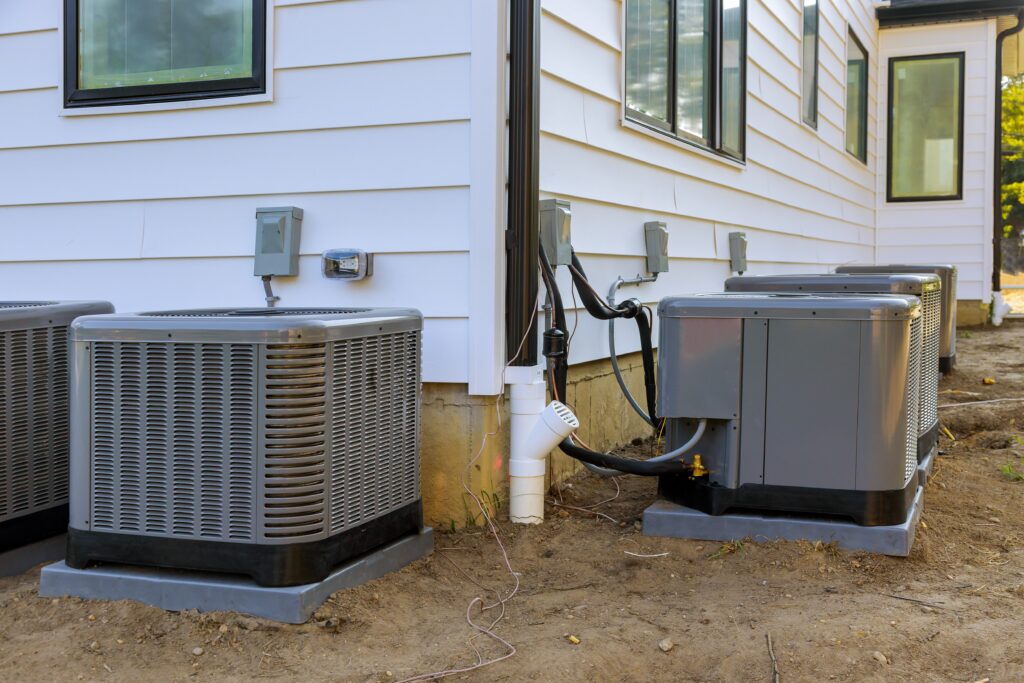
Your air conditioner directly shapes your indoor air quality, and a neglected system actively makes air worse. The evaporator coil sits wet for months during cooling season, and dust that sticks to it becomes a breeding surface for mold and bacteria. Every cooling cycle then blows air across that contaminated coil and into your home. The condensate drain pan and line can also grow algae and slime, producing musty odors and risking water damage if they clog. Blower wheels caked with dust shed particles into the airstream and reduce airflow at the same time. A late summer maintenance visit addresses all of these problems in a single appointment. Technicians clean the coil, flush the drain line, check the blower, and verify refrigerant charge. The result is cleaner air, better dehumidification, and lower energy bills through the hottest remaining weeks.
Maintenance also catches developing problems before they become breakdowns or health hazards. A slightly low refrigerant charge reduces moisture removal long before it stops the system from cooling. Failing capacitors cause short cycling, which hurts both comfort and humidity control. Cracked or disconnected condensate lines can leak water into walls or attic insulation, creating hidden mold colonies. Electrical connections loosen over a long cooling season and can cause intermittent operation or component damage. A trained technician spots these issues during a routine inspection when repairs are still cheap. Skipping maintenance means these small problems compound until the system fails, usually on the hottest day of the year. Consistent annual service also protects your equipment warranty and extends system lifespan by years.
Homeowners can support professional maintenance with a few simple habits between visits. Keep the outdoor condenser clear of grass clippings, leaves, and shrubs so it can reject heat properly. Check the filter monthly during heavy use and replace it without waiting for a schedule. Pour a cup of white vinegar into the condensate drain access every few months to discourage algae growth. Listen for new noises like grinding, squealing, or rattling, since these signal mechanical problems developing. Watch your energy bills; a sudden increase without a rate change usually means the system is losing efficiency. Make sure supply and return vents stay open and unblocked by furniture or rugs. These small steps keep air quality high and stretch the time between service calls.
Smart Thermostat Settings Support Better Indoor Air Quality All Season
Your thermostat controls more than temperature; the right settings directly improve indoor air quality. Modern smart thermostats include a circulate mode that runs the blower periodically even when cooling is not needed. That periodic circulation pushes air through your filter more often, capturing particles that would otherwise settle on surfaces. It also evens out temperatures between rooms and prevents stale air pockets in closed off spaces. Some smart thermostats monitor indoor humidity and adjust fan behavior to improve moisture removal during cooling cycles. Models with air quality sensors can even alert you when particle levels rise or when it is time to change the filter. These features turn a basic control into an active air quality tool. Upgrading an old manual thermostat is one of the most affordable HVAC improvements available.
Fan settings deserve careful attention because the common advice to run the fan constantly can backfire in humid climates. Running the blower nonstop in East Texas re evaporates moisture off the wet coil after each cooling cycle and blows it back into the house. That raises indoor humidity, which feeds mold and dust mites. The circulate setting solves this by running the fan in short scheduled bursts instead of continuously. Auto mode with periodic circulation gives you the filtration benefit without the humidity penalty. Setpoint strategy matters too; wild temperature swings from aggressive setbacks force long recovery cycles that stress equipment. Modest setbacks of 2 to 4 degrees while away balance savings with stable humidity. A properly programmed schedule keeps conditions steady and your air consistently filtered.
Thermostat placement and calibration also affect how well your system manages air quality. A thermostat mounted near a sunny window, supply vent, or kitchen reads temperatures inaccurately and causes short cycling. Short cycles never run long enough to dehumidify properly, leaving the air cool but clammy. Old thermostats with worn sensors can drift several degrees off, wasting energy and hurting comfort. Professional installation ensures correct placement on an interior wall away from drafts and heat sources. Smart models also learn your schedule, provide runtime reports, and let you adjust settings remotely from your phone. Those runtime reports help you spot problems early, like cycles getting longer as a coil gets dirty. Thinking about upgrading your thermostat before fall? Click here for our thermostat services.
Why You Need Professional Indoor Air Quality Help From R.C.s A/C Reliable Climate
Indoor air quality problems have multiple overlapping causes, and guessing at solutions wastes money. A portable air purifier cannot fix leaky ducts, and a new filter cannot solve a humidity problem caused by an oversized system. Professional diagnosis identifies the actual sources of your air quality issues before any equipment is recommended. R.C.s A/C Reliable Climate serves Longview and surrounding East Texas communities with honest evaluations and straightforward pricing. Our technicians address filtration, ductwork, humidity, and equipment condition as one connected system. Late summer is the ideal time to act, before ragweed season peaks and before heating season fills every service calendar.
Professional Indoor Air Quality Testing Finds the Real Problem
Accurate diagnosis is the difference between solving an air quality problem and throwing money at symptoms. Professional technicians measure indoor humidity, inspect ductwork for leaks and contamination, and evaluate the condition of coils and blowers. They check static pressure to see if your system can support upgraded filtration without airflow problems. Visual inspection of the evaporator coil and drain pan reveals mold growth that homeowners never see. This complete picture shows exactly where pollutants enter your air and why they persist. Solutions based on real findings work the first time.
Many indoor air quality problems hide in places homeowners cannot access. Duct runs buried in attic insulation can leak for years without visible signs. Mold growing inside the air handler is invisible until a technician opens the cabinet. Crawlspace moisture wicks into the home silently, raising humidity room by room. A professional inspection covers all of these hidden zones in one visit. Finding the true source prevents repeat symptoms and repeat spending.
Testing also establishes a baseline so you can measure improvement. Humidity readings before and after a dehumidification fix prove the solution worked. Airflow measurements confirm duct sealing restored proper delivery to every room. This accountability matters because indoor air quality claims are easy to make and hard to verify. R.C.s A/C Reliable Climate documents findings and explains them in plain language. You always know what was wrong, what was fixed, and what results to expect.
Late Summer Is the Best Time to Fix Indoor Air Quality Issues
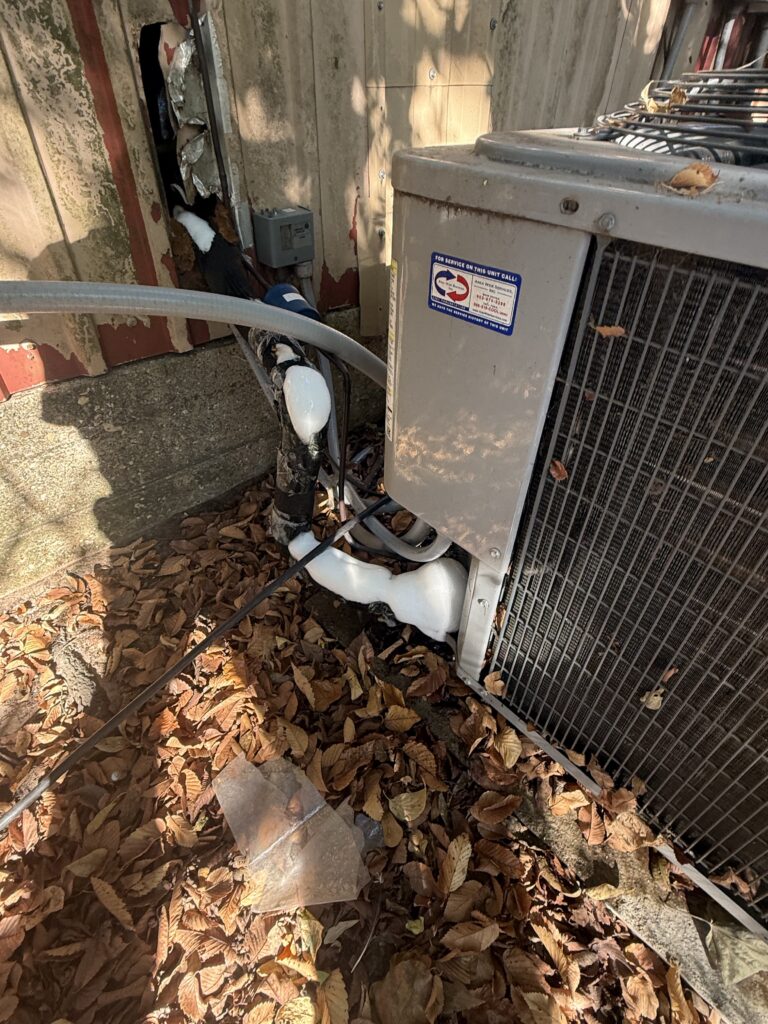
Timing your indoor air quality work for late summer delivers several practical advantages. Ragweed pollen peaks in September across East Texas, so upgrades installed now protect your family through the worst allergy months. Your AC still has weeks of heavy runtime ahead, meaning cleaner coils and better filtration pay off immediately. Humidity remains high into October here, so dehumidification improvements keep working long after summer officially ends. Waiting until fall means suffering through peak allergen season with contaminated equipment. Acting now captures the full benefit.
Scheduling is also easier in late summer than during seasonal transitions. Once the first cold snap hits, HVAC companies fill up with no heat emergency calls and furnace inspections. Indoor air quality projects get pushed back weeks during those rushes. Late summer appointments happen quickly, and technicians have time for thorough diagnostic work. You also avoid the price pressure that comes with emergency scheduling. Planning ahead always costs less than reacting.
There is a financial angle to late summer timing as well. A clean, efficient system uses less electricity through the remaining cooling weeks, cutting your highest bills of the year. Duct sealing done now improves both the end of cooling season and the entire heating season that follows. Financing options make larger projects like whole home purification or duct renovation manageable on a monthly budget. R.C.s A/C Reliable Climate offers financing for HVAC and refrigeration services. One well timed project improves comfort and lowers costs across two seasons.
Why Choose R.C.s A/C Reliable Climate for Indoor Air Quality Service
R.C.s A/C Reliable Climate is locally owned and operated in Longview, TX, and we understand East Texas air quality challenges firsthand. We are licensed and insured under Texas HVAC License #TACLA129043C, so every job meets state standards. Our team serves Longview, Kilgore, Marshall, Hallsville, White Oak, Gladewater, Gilmer, Liberty City, and Lakeport. We live in the same humid climate you do and deal with the same ragweed seasons. That local experience shapes every recommendation we make. You get solutions built for East Texas homes, not generic advice.
Our commitment to honest service sets us apart in an industry known for pressure tactics. We give honest recommendations with no unnecessary upsells, period. If a filter change solves your problem, that is what we recommend. Free estimates for new HVAC installations mean you can plan major projects without upfront cost. Our 10 year parts warranty and 1 year labor warranty back every installation we complete. We are dedicated to always providing a 5 star service on every visit.
Air quality problems do not wait for business hours, and neither do we. 24/7 emergency HVAC service is available for breakdowns that leave your home hot, humid, and uncomfortable. One call connects you with a real local team, not a distant call center. Reach us at (903) 316-6855 or info@iwantclimate.com to schedule your indoor air quality evaluation. Visit us at 3 Lewis Drive, Longview, TX 75605. Breathe easier this fall by taking action today.