
Why Commercial Refrigeration Struggles in Texas Summers
Texas summers put serious pressure on every piece of commercial refrigeration equipment in a kitchen or store. When the air outside climbs past 95 degrees, your walk-in coolers, freezers, and prep tables have to fight harder to hold their set temperature. The equipment was built to reject heat into the surrounding air, and that job gets much tougher once the surrounding air is already blazing hot. Restaurants, convenience stores, and grocers across Longview feel this strain every June, July, and August. Food safety, energy bills, and equipment lifespan all hang in the balance during these months. A system that ran fine all spring can suddenly short cycle, ice up, or quit cooling once the heat index spikes. Understanding the reasons behind this struggle helps you protect your inventory and your bottom line. This guide breaks down the real causes and the practical steps that keep your refrigeration running through the hottest part of the year.
What Causes Commercial Refrigeration to Struggle in Texas Summers
Several forces work together to make commercial refrigeration struggle in Texas summers, and most of them trace back to one simple problem. Refrigeration systems cool by pulling heat out of the box and dumping it into the outside air through the condenser coil. That heat transfer depends on a temperature gap between the refrigerant and the air around the condenser. When outdoor air sits at 100 degrees, that gap shrinks, and the system loses some of its ability to release heat. The compressor then runs longer and works harder to make up the difference. Add a dirty coil, a worn door gasket, or thick humidity, and the strain multiplies fast. Each of these issues is manageable on its own, yet they tend to pile up during the worst heat of the year. The sections below explain the three biggest culprits in plain terms.
High Heat Forces Commercial Refrigeration to Struggle in Texas Summers
High outdoor heat is the single largest reason commercial refrigeration struggles in Texas summers. Every cooler and freezer relies on a condenser that releases heat into the surrounding air, and that process slows down when the air is already very warm. On a 105 degree afternoon, the condenser cannot shed heat as quickly as it would on a mild spring day. The refrigerant entering the compressor stays hotter, and the discharge pressure climbs higher than the system prefers. Higher pressure means the compressor draws more electricity and generates more internal heat. Over time, that extra load wears down motor windings, valves, and bearings. A unit that handled the load easily in April can start lagging behind by mid July. The result is warmer box temperatures, longer run times, and a compressor that never seems to catch a break.
Rooftop and outdoor condensing units feel this heat even more sharply than indoor models. A black roof in East Texas can reach surface temperatures well above the air temperature, baking the equipment that sits on it. The condenser fan pulls in this superheated air and tries to use it for cooling, which is a losing battle. Indoor self contained units are not immune either, since they reject heat into the room where they sit. A crowded kitchen with ovens and fryers running can easily push the room past 90 degrees. That warm room becomes the heat sink for the refrigeration system, and the cycle feeds on itself. The hotter the space, the harder the equipment works, and the more heat it adds back into the room. Good ventilation and proper placement matter more in summer than at any other time.
There are real limits to what any refrigeration system can overcome on its own during extreme heat. Manufacturers rate their equipment for a certain ambient temperature range, and Texas summers regularly push past comfortable design conditions. When the heat exceeds those limits, even a healthy system loses capacity and runs near its ceiling. This is why a walk-in that held 35 degrees all winter might drift up to 42 degrees on a brutal afternoon. Food held above 41 degrees enters the danger zone, which puts your inventory and your health rating at risk. Catching this early prevents spoiled product and failed inspections. A trained technician can check superheat, subcooling, and head pressure to confirm the system is doing all it reasonably can. If you run a walk-in box, our walk-in cooler service keeps your equipment ready for the worst heat of the year.
Dirty Condenser Coils Make Commercial Refrigeration Struggle in Texas Summers
Dirty condenser coils are a major reason commercial refrigeration struggles in Texas summers, and they often go unnoticed for months. The condenser coil needs clean, open fins to release heat into the air efficiently. Dust, grease, pollen, and cottonwood fluff settle into those fins and form an insulating blanket. That blanket traps heat against the coil and blocks airflow through it. The system responds by raising head pressure, which is the same effect as running in extreme heat. So a dirty coil in summer stacks one heat problem on top of another. Kitchen units suffer the most because airborne grease coats the fins and turns ordinary dust into a sticky film. A coil that looks slightly gray can be cutting your cooling capacity by a noticeable margin.
The effects of a dirty coil show up on both your temperatures and your power bill. As heat transfer drops, the compressor runs longer to reach the set point, and sometimes it never gets there. Longer run times mean more electricity used for the same amount of cooling. In a Texas summer, that added cost lands during the exact months when energy rates and demand are highest. A neglected coil can raise refrigeration energy use by a wide margin compared to a clean one. The compressor also runs hotter, which shortens its working life and invites early failure. Many emergency breakdowns in July and August trace straight back to a coil that was never cleaned. Regular coil cleaning is one of the cheapest ways to protect both your equipment and your budget.
Cleaning a condenser coil correctly takes more than a quick wipe with a rag. The fins are thin and bend easily, so aggressive scrubbing can do more harm than good. A proper cleaning uses the right coil cleaner, gentle pressure, and a fin comb to straighten any damage. Technicians also check the condenser fan motor and blades, since a weak fan reduces airflow just like a dirty coil does. They inspect the area around the unit for boxes, debris, and anything blocking free airflow. In a busy kitchen, this kind of cleaning should happen on a regular schedule, not once every few years. Freezer systems need the same attention, and our walk-in freezer service covers coil cleaning and full system checks. Staying ahead of coil buildup keeps your refrigeration strong through the hottest weeks.
Humidity Pushes Commercial Refrigeration to Struggle in Texas Summers
High humidity pushes commercial refrigeration to struggle in Texas summers in ways that surprise many business owners. East Texas air carries heavy moisture for most of the warm season, and that moisture finds its way into every cooler and freezer. Each time a door opens, warm humid air rushes in and meets the cold evaporator coil. The moisture in that air freezes onto the coil as frost and ice. A coil coated in ice cannot absorb heat from the box, so cooling slows down. The system then runs longer and defrosts more often to clear the buildup. More defrost cycles mean more heat added to the box and more energy spent. Humidity quietly turns a simple cooling job into a constant fight against ice.
Moisture also creates problems well beyond the evaporator coil itself. Melting frost has to drain away, and clogged or frozen drain lines let water pool inside the box. Standing water leads to slick floors, mold growth, and damaged product packaging. High humidity in a kitchen also causes condensation to form on cold surfaces, walls, and ceilings. That dripping moisture can ruin stored goods and create slip hazards for your staff. Prep tables and refrigerated displays struggle even more because they open and close all day long. Every lid lift and drawer pull invites a fresh wave of humid air onto the cold coil. The constant moisture load keeps these units working overtime through the entire summer.
Controlling humidity inside your space takes some of the pressure off your refrigeration. A properly working air conditioning system removes moisture from the air while it cools the room. When the kitchen or sales floor stays drier, less moisture reaches your coolers and freezers each time a door opens. This is one reason a healthy building air conditioner helps your refrigeration last longer, since drier air reaches the boxes and the coils stay clear. Good door discipline matters too, since every minute a door stays open lets in more humid air. Strip curtains and auto closers cut down on the moisture that sneaks inside. Technicians also tune defrost timers so the system clears ice without wasting energy. Managing humidity is a team effort between your building systems and your daily habits.
How to Help Commercial Refrigeration Survive Texas Summers
Knowing the causes is only half the picture; the real value comes from action that keeps your equipment running. You cannot lower the Texas heat, but you can control nearly everything else that affects performance. A clean system, tight door seals, and steady monitoring make a huge difference once temperatures climb. These steps cost far less than a midsummer breakdown or a freezer full of spoiled product. They also keep your energy bills in check during the most expensive months of the year. The goal is to give your refrigeration every advantage so it never has to run on the edge. Smart owners get ahead of summer before the first heat wave arrives. The sections below cover the three habits that protect commercial refrigeration through a Texas summer.
Regular Maintenance Helps Commercial Refrigeration Survive Texas Summers
Regular maintenance helps commercial refrigeration survive Texas summers better than any single repair ever could. A maintenance visit catches small problems while they are still cheap and easy to fix. A technician checks refrigerant charge, since both too little and too much hurt performance in the heat. They clean the condenser and evaporator coils so heat transfer stays strong on the hottest days. They inspect electrical connections, contactors, and capacitors that take a beating during long summer run times. They confirm the defrost system clears ice properly and that drain lines flow freely. Each of these checks removes one more reason the system might struggle when the heat peaks. A well maintained unit holds its temperature, uses less power, and lasts years longer.
The best time to schedule maintenance is before the worst heat arrives, not during a breakdown. Late spring and early summer give a technician time to prepare your equipment for the load ahead. A system tuned in May handles July far better than one ignored until it quits. Waiting until a unit fails almost always costs more, both in repair fees and in lost product. Emergency calls during a heat wave also take longer, since every shop is busy at once. Planning ahead puts you near the front of the line instead of the back. A simple seasonal checkup turns a stressful summer into a predictable one. Most businesses find that the cost of maintenance is a fraction of one emergency repair.
Maintenance also gives you a clear record of how your equipment is aging over time. Technicians log pressures, temperatures, and amp draws on each visit so trends become easy to spot. A compressor that slowly draws more current is warning you before it fails completely. A coil that needs cleaning more often points to a placement or airflow problem worth solving. This kind of tracking turns guesswork into a clear plan for repair or replacement. It also helps you budget, since you can plan a new unit instead of facing a surprise. Refrigerated prep stations benefit from this attention as much as walk-in boxes do. Our prep table refrigeration service keeps these workhorse units reliable through the busy summer rush.
Door Seals and Gaskets Help Commercial Refrigeration Survive Texas Summers
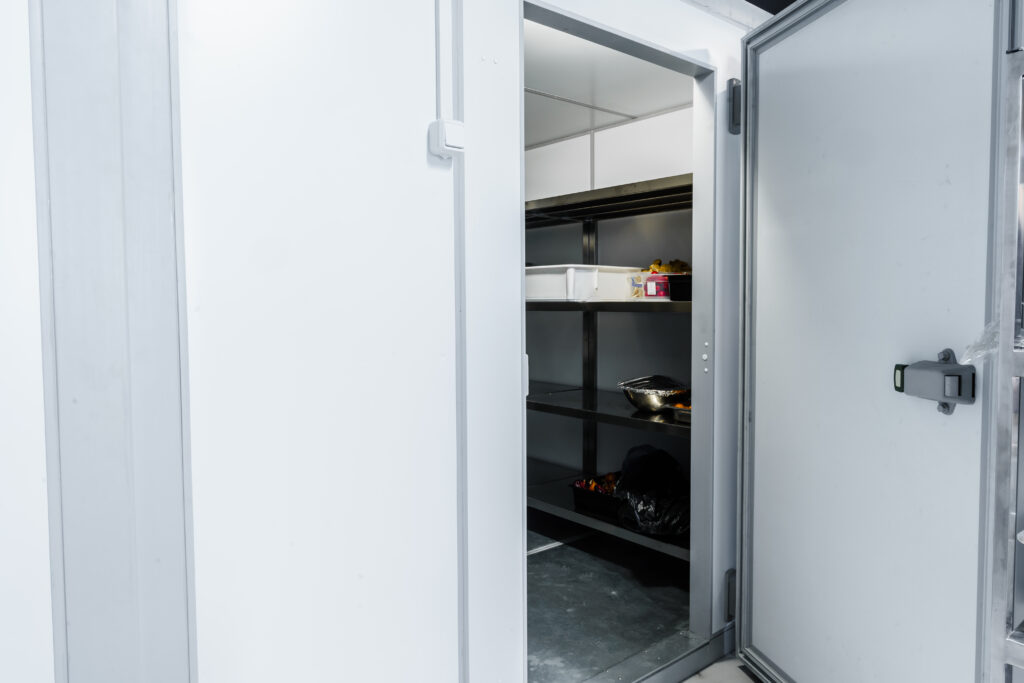
Door seals and gaskets help commercial refrigeration survive Texas summers by keeping the heat where it belongs. The gasket is the rubber strip that seals the door against the frame when it closes. A tight gasket blocks warm humid air from leaking into the cold box. Over years of use, gaskets crack, harden, and tear, and they slowly lose their grip. A worn gasket lets a steady stream of hot air seep in around the door. The system then runs longer and ices up faster as it fights that constant leak. In a Texas summer, even a small gap turns into a big energy drain. Replacing a tired gasket is a low cost fix with a fast payback.
Checking a gasket takes only a minute and tells you a lot about your equipment. Close the door on a piece of paper and try to pull it out; easy movement means a weak seal. Look for tears, gaps, and spots where the rubber no longer touches the frame. Feel around the door edge with your hand on a hot day to find air leaks. Frost building up near the door is another clear sign that warm air is getting in. Dirty gaskets also fail early, since food residue and grime break down the rubber. Wiping gaskets clean and keeping them dry extends their working life. A quick weekly check by your staff catches most seal problems before they grow.
Door habits matter as much as the hardware itself during the hot months. Every second a cooler door stays open lets warm humid air pour inside and load up the coil. Training staff to grab everything in one trip cuts down on open door time. Strip curtains add a second barrier that holds back heat while people pass through. Self closing hinges make sure doors never get left ajar by accident during a busy rush. Loading and unloading deliveries quickly keeps big door openings short and controlled. These simple habits stack on top of a good gasket to keep your box cold. Together they take real strain off your refrigeration during the worst of the summer.
Smart Temperature Monitoring Helps Commercial Refrigeration Survive Texas Summers
Smart temperature monitoring helps commercial refrigeration survive Texas summers by warning you before disaster strikes. A simple thermometer in each box tells your staff the temperature at a glance. Digital monitors take this further and track temperatures around the clock, even overnight. Many systems send an alert to a phone when a box drifts above a safe range. That early warning gives you time to act before food spoils or fails inspection. In a Texas summer, a unit can climb out of safe range in just a few hours. Catching that drift at the start can save thousands of dollars in lost inventory. Monitoring turns a silent failure into a problem you can fix right away.
Good monitoring also protects you during the hours when no one is watching. Many breakdowns happen overnight or on weekends when the building sits empty. By Monday morning, an unmonitored freezer can lose an entire stock of product. A monitor that texts an alert lets you call for help while the food is still safe. This protection matters even more during heat waves, when systems run at their limit for days. The cost of a monitoring setup is tiny next to the value of the food inside. Health inspectors also look favorably on businesses that keep temperature logs. Automated records make audits simple and prove you take food safety seriously.
Monitoring data also helps a technician diagnose a struggling system faster. A log showing slow temperature creep points to a different problem than a sudden spike. Patterns tied to time of day can reveal door habits or peak heat issues. This history saves time on service calls and leads to a more accurate repair. Pairing monitoring with regular maintenance gives you the strongest possible defense against summer failures. You see small problems early, and your technician fixes them before they grow. The two habits work hand in hand to keep your boxes cold all season. Investing in both is the surest way to get through a Texas summer without a costly surprise.
Why You Need Professional Commercial Refrigeration Service in Texas Summers
Texas summers leave no room for refrigeration that limps along on hope. Your inventory, your customers, and your health rating all depend on equipment that holds temperature in extreme heat. Trying to manage all of this alone is a heavy burden during the busiest season of the year. Professional service gives you the skill, the tools, and the speed to keep every box cold. R.C.’s A/C Reliable Climate serves businesses across Longview and the surrounding area with honest commercial refrigeration help. The sections below explain why expert service is worth it when the heat is on.
Fast Repairs Protect Commercial Refrigeration During Texas Summers
Fast repairs protect commercial refrigeration during Texas summers when every hour counts. A failing cooler in July can ruin a full stock of food before the day is over. Quick response keeps your product safe and your doors open for business. Our team understands that a down freezer is an emergency, not a routine call. We offer 24/7 emergency service so help is available the moment something goes wrong. Speed during a heat wave is the difference between a minor fix and a major loss.
A fast repair also depends on a technician who arrives ready to work. We carry the tools needed to diagnose problems on the first visit and keep common parts on hand. That preparation cuts down on return trips and gets your equipment running sooner. We check the full system, not just the obvious symptom, so the same issue does not return next week. Honest recommendations mean you only pay for what the repair truly needs. You get your box cold again without unnecessary extras on the bill.
Trusting a local team means faster arrival times when the heat spikes. We work right here in Longview, so we know the climate and the demands it places on your equipment. There is no waiting days for an out of town company to show up. A quick call gets a real technician headed your way the same day in most cases. Our goal is to limit your downtime and protect the product that keeps your business running. When your refrigeration struggles, a fast and reliable repair is one phone call away.
Preventive Plans Protect Commercial Refrigeration During Texas Summers
Preventive plans protect commercial refrigeration during Texas summers by stopping problems before they start. A scheduled maintenance plan keeps your coils clean and your charge correct year round. Regular visits catch worn gaskets, weak capacitors, and clogged drains while they are still small. This steady attention means fewer surprise breakdowns during the hottest weeks. A plan also spreads care across the calendar so nothing gets forgotten. The result is equipment that runs cooler, lasts longer, and costs less to operate.
A preventive plan brings real savings that add up over the seasons. Clean, well tuned equipment uses less electricity during peak summer rates. Fewer emergency calls means less money spent on after hours repairs and rush parts. Longer equipment life pushes back the day you need a costly replacement. Protecting your inventory from spoilage saves money you never see on a bill. Over a few summers, a maintenance plan often pays for itself many times over.
A plan also gives you peace of mind during the most demanding time of year. You know a trained technician has already prepared your equipment for the heat. You have a record of every check and a clear picture of your system health. If a problem does appear, you are already a priority customer with a fast response. This kind of partnership lets you focus on running your business instead of worrying about your coolers. Steady care is the smartest way to face a Texas summer with confidence.
Why Choose R.C.’s A/C Reliable Climate for Commercial Refrigeration
R.C.’s A/C Reliable Climate is locally owned and operated right here in Longview, Texas. We understand the heat and humidity that local businesses face every summer. Our team is licensed and insured under Texas HVAC License number TACLA129043C. We give honest recommendations with no unnecessary upsells, so you can trust our advice. Free estimates on new installations make planning a replacement simple and clear. We are dedicated to providing five star service on every call.
We back our work with a strong warranty that protects your investment. Our installations come with a 10 year parts warranty and a 1 year labor warranty. Financing is available for both HVAC and refrigeration services to fit your budget. This combination removes the stress of a major repair or upgrade. You get quality work, fair pricing, and support that stands behind the job. Our goal is a long relationship built on reliable service you can count on.
Choosing the right partner for your refrigeration is one of the most important calls a business owner makes. We treat your equipment as if it were our own and your inventory as if it were ours to protect. Our 24/7 emergency service means you are never left alone when the heat is high. Reach us at (903) 316-6855 or email info@iwantclimate.com to schedule service. You can also visit us at 3 Lewis Drive in Longview, Texas. Let R.C.’s A/C Reliable Climate keep your commercial refrigeration strong all summer long.