
When to Repair vs Replace a Walk-In Cooler
For many businesses in Longview, the walk-in cooler is the silent partner that keeps operations running smoothly. Restaurants, florists, convenience stores, and schools rely heavily on these large refrigeration units to preserve thousands of dollars in inventory. When a walk-in cooler begins to falter, it creates an immediate crisis that threatens daily revenue and long-term profitability. Business owners are often faced with a difficult financial decision during these moments of stress. They must decide if it is wiser to invest in another repair to keep the old unit limping along or if it is time to bite the bullet and invest in a complete replacement. This decision is rarely black and white. It involves analyzing the age of the equipment, the frequency of breakdowns, and the rising cost of energy in East Texas. Making the wrong choice can lead to a money pit of endless service calls or an unnecessary capital expenditure.
Understanding the lifecycle of commercial refrigeration equipment is essential for making an informed choice. A walk-in cooler is a complex system composed of a structural shell and a mechanical refrigeration circuit. Both parts degrade over time but at different rates. The mechanical components typically have a lifespan of ten to fifteen years, while the insulated box can last longer if well maintained. However, technological advancements in energy efficiency and changing environmental regulations regarding refrigerants have shifted the math on replacement. A unit that still runs might be costing you more in electricity and maintenance than a new unit would cost in monthly payments. Evaluating the total cost of ownership provides a clearer picture than simply looking at the price tag of a specific repair.
The Age and Efficiency Equation
The age of your walk-in cooler is the first and most objective factor to consider. Commercial refrigeration systems endure a punishing workload. They run twenty-four hours a day, seven days a week, often in kitchens or mechanical rooms with high ambient temperatures. If your unit is approaching or has exceeded the fifteen-year mark, it is living on borrowed time. Components in older units are prone to fatigue. Bearings wear out, electrical insulation becomes brittle, and coils corrode. Even if the unit is currently running, the risk of a catastrophic failure increases with every passing month. A major failure, such as a compressor burnout, on an older unit often signals the end of its useful life. Investing thousands of dollars into a new compressor for a fifteen-year-old system is often throwing good money after bad.
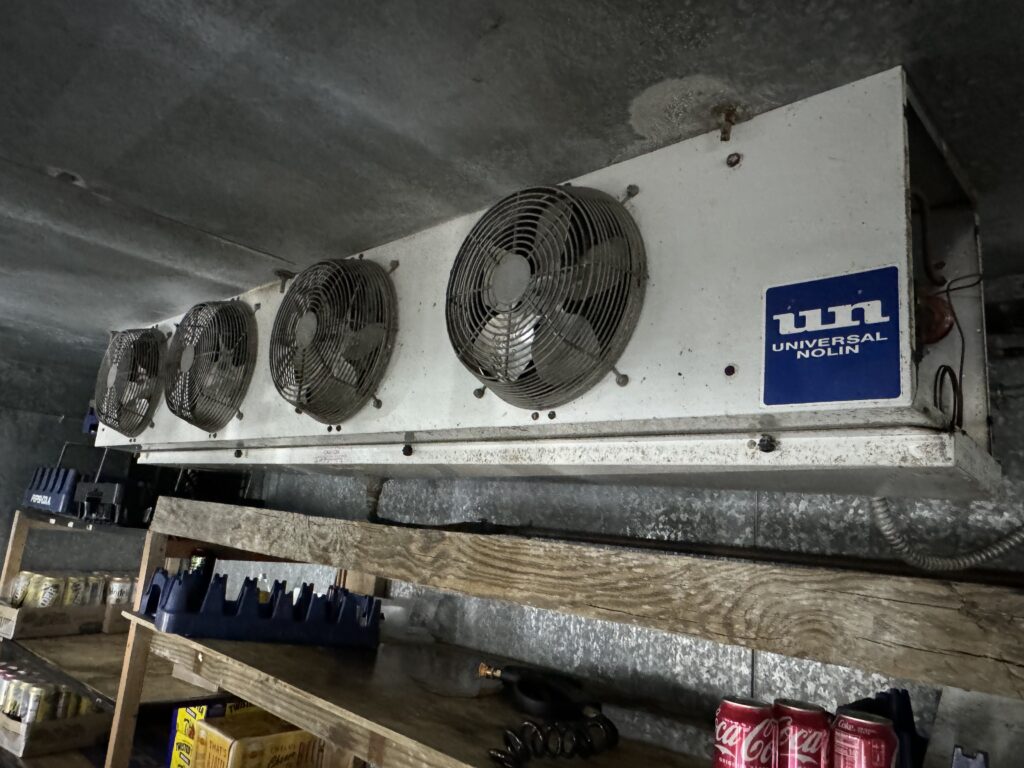
Energy efficiency is another critical consideration tied to age. Older walk-in coolers were designed when electricity was cheaper and efficiency standards were lower. They often utilize single-speed motors and less effective insulation materials. Modern systems utilize electronically commutated motors and high-efficiency compressors that consume significantly less power. In the heat of a Longview summer, the difference in operating costs can be substantial. A new unit might reduce your monthly electric bill by a margin that helps offset the cost of installation. Continuing to operate an inefficient dinosaur drains your operating budget silently every month.
Insulation capability also degrades over time. The foam insulation inside the wall and ceiling panels can lose its R-value as it ages. This is particularly true if moisture has ever penetrated the panel. As the insulation fails, the mechanical system must work harder to remove the heat entering the box. This added workload shortens the life of the mechanical parts and drives up energy consumption. If your cooler runs constantly but struggles to hold temperature, it might be due to the inefficiency of the box itself rather than the mechanical cooling system. In this scenario, replacing the mechanicals without replacing the box is a futile effort.
The Frequency and Cost of Repairs
A reliable walk-in cooler should not require monthly visits from a technician. While routine maintenance is necessary, frequent breakdowns are a sign of a dying system. You should review your service records for the past two years. If you find yourself calling for repairs every few months, you are experiencing the nickel and dime effect. Small repairs like fan motors, contactors, and sensors add up quickly. More importantly, they indicate that the overall system is deteriorating. When multiple components fail in succession, it suggests that the system is suffering from systemic issues that a single repair cannot fix.
The fifty percent rule is a common standard used in the HVAC and refrigeration industry. This rule suggests that if the cost of a repair approaches fifty percent of the value of the equipment or the cost of a replacement, you should opt for replacement. This calculation helps remove the emotion from the decision. It forces you to look at the asset objectively. You must also consider the hidden costs of these repairs. Every time your cooler goes down, you risk product spoilage. Losing five thousand dollars worth of steak or flowers is a cost that must be factored into the repair versus replace debate.
Downtime also impacts your ability to serve customers. If you have to 86 items from your menu because the cooler is warm, you lose sales and customer trust. A reliable new system provides peace of mind. It eliminates the constant worry that you will walk into a warm kitchen in the morning. If the anxiety of potential failure is weighing on you or your staff, the value of a new system extends beyond just the hardware. It restores stability to your business operations.
Assessing the Structural Integrity of the Box
The mechanical refrigeration unit is only half of the system. The insulated box itself plays a vital role in maintaining temperature. Over time, the structural integrity of the walk-in panels can fail. One of the most common issues in humid climates like East Texas is water intrusion. If the vapor barrier on the panels is compromised, moisture from the air can seep into the insulation. Wet insulation loses its ability to stop heat transfer. It essentially turns the walls of your cooler into conductors of heat. You might notice condensation or ice forming on the outside walls of the cooler. This sweating indicates that the cold is escaping and the box is failing.
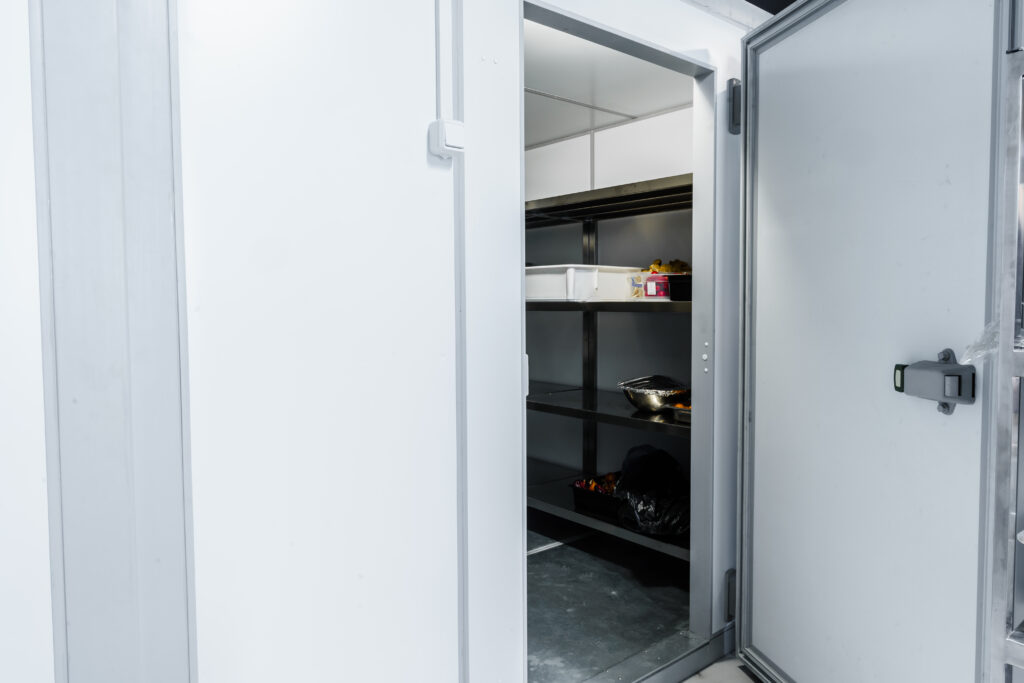
Delamination is another structural failure. This occurs when the metal skin of the panel separates from the foam core. This creates bubbles or ripples in the walls. Delamination weakens the structure and creates pockets where moisture and bacteria can accumulate. Once a panel has delaminated or become waterlogged, there is no way to repair it. The only solution is to replace the panel, and if multiple panels are affected, the entire box must be replaced. A new refrigeration unit cannot overcome a structurally compromised shell.
The condition of the floor is also critical. In many walk-in coolers, the floor is subject to heavy foot traffic and the weight of shelving. If the floor panels crack or collapse, it breaks the thermal seal. It also creates a safety hazard for employees. Rotting floors can harbor mold and pests. If the damage to the box is extensive, simply replacing the compressor unit is a waste of resources. A complete replacement ensures that you have a tight, sanitary, and efficient thermal envelope.
Refrigerant Types and Regulatory Compliance
The type of refrigerant your current system uses is a major factor in the decision process. For decades, R-22 was the standard refrigerant for commercial systems. However, environmental regulations have phased out the production and import of R-22 due to its impact on the ozone layer. If your older unit uses R-22 and develops a leak, repairing it can be astronomically expensive. The supply of this refrigerant is limited to reclaimed stock, driving prices to record highs. Spending thousands of dollars to recharge an obsolete system is rarely a wise financial move.
Retrofitting an older R-22 system to use a modern refrigerant is possible in some cases, but it is not a perfect solution. It often requires changing the oil, the seals, and the metering device. Even after a retrofit, the system may lose some capacity and efficiency. The compressor, which was designed for the pressures of the old gas, may fail prematurely under the new operating conditions. It is often more cost-effective to put that money toward a new system designed specifically for modern, eco-friendly refrigerants.
Newer systems use refrigerants that are compliant with current EPA standards. They are readily available and cheaper to service. Investing in a new system future-proofs your business against further regulatory changes. It ensures that you will be able to find parts and refrigerant easily for the next decade. If you are holding onto an R-22 system, you are essentially gambling that it will not leak. Once it does leak, the decision to replace is usually made for you by the sheer cost of the repair.
Capacity and Business Growth
Businesses change and grow over time. The walk-in cooler that was perfect for your needs ten years ago might be woefully inadequate today. If you find your staff struggling to find space for inventory, or if boxes are stacked to the ceiling blocking the airflow, you have a capacity problem. Overloading a walk-in cooler restricts the air circulation that is necessary for proper cooling. This causes hot spots in the cooler where food can spoil even if the thermostat reads a safe temperature. It also forces the refrigeration unit to run continuously to try and cool the dense mass of product.

Expanding a business often requires expanding your cold storage. If you are planning to increase your menu or your volume, a larger cooler is a necessary infrastructure upgrade. Trying to force a small, old unit to handle a larger load leads to performance issues and food safety risks. In this case, the decision to replace is driven by operational needs rather than mechanical failure. A properly sized walk-in cooler improves workflow and organization in the kitchen.
Replacing the unit allows you to redesign the layout to fit your current operations. You can choose the door placement, the shelving configuration, and the location of the evaporator coil to maximize usable space. You can also opt for features like alarm systems and remote monitoring that were not available when you bought your original unit. Viewing the replacement as an upgrade to your business capabilities rather than just a maintenance expense helps justify the investment.
Health Code Compliance and Sanitation
Food safety is the non-negotiable foundation of the food service industry. Your walk-in cooler must maintain safe temperatures to prevent the growth of pathogens. An older unit that struggles to hold temperature puts your customers and your license at risk. If a health inspector finds that your cooler cannot maintain temperatures below forty degrees, you face fines and potential closure. Inconsistent temperatures are often a sign of a system that has lost its capacity or insulation value. If you are constantly tweaking the thermostat or worrying about a warm box, it is time to replace it.
Sanitation is another concern with aging equipment. Old cooler panels can rust and corrode. The metal surfaces can become pitted, making them impossible to clean and sanitize effectively. Mold can grow in the seams of delaminated panels or in the insulation of a sweating box. A walk-in cooler must be easy to clean to meet health code standards. If the physical condition of your cooler makes hygiene a struggle, it is a liability.
Rust on the evaporator coil or the drain pan is also a concern. Flaking rust can fall onto open food products. Standing water from a rusted drain pan creates a breeding ground for bacteria and slime. A new walk-in cooler provides a clean, bright, and sanitary environment for your food storage. It demonstrates to inspectors and customers that you take food safety seriously. The value of protecting your reputation and your health score cannot be overstated.
Deciding between repairing and replacing a walk-in cooler requires a careful analysis of costs, risks, and future needs. While a quick repair might seem like the cheapest option in the short term, it often delays the inevitable and drains your budget slowly. An aging system with a history of breakdowns, inefficient performance, and structural issues is a liability to your business. It consumes excessive energy, endangers your inventory, and adds unnecessary stress to your daily operations. Transitioning to a modern, efficient, and reliable system eliminates these variables and provides a stable foundation for your business to thrive.
RC’s A/C Reliable Climate is dedicated to helping Longview business owners navigate this complex decision. We provide honest assessments of your existing equipment without the pressure to upsell. We examine the mechanical health of your refrigeration unit and the structural integrity of your box to give you a complete picture of your options. Our goal is to ensure you have the reliable cold storage you need to serve your customers safely. If you are unsure about the future of your walk-in cooler, contact us today for a professional evaluation that puts your business interests first.