
How Cold Weather Impacts Older HVAC Systems
Winter in East Texas brings a specific set of challenges to residential heating systems that often goes unnoticed until the temperature drops significantly. While the region is known for its blistering summers, the winters can deliver sharp, biting cold snaps that test the limits of mechanical equipment. For a brand new system, these temperature fluctuations are manageable routine operations. However, for an HVAC system that has been serving a home for ten or fifteen years, a sudden freeze represents a massive physical stress test. The materials that make up your furnace or heat pump have endured thousands of cycles of heating and cooling. This constant expansion and contraction fatigue the metal and harden the seals. When the thermometer plunges, an older system is far more likely to falter than a newer one. Understanding why age matters in cold weather helps homeowners prepare for the season and make informed decisions about repair versus replacement.
The impact of cold weather on aging machinery is not just about the ability to produce heat. It is about the physical integrity of the components themselves. Metal becomes more brittle, lubricants thicken, and electrical connections face increased resistance. An older unit operates with lower tolerances for error. What might be a minor strain for a young motor can be a death sentence for an old one. The efficiency of the system also degrades with age, meaning that an older unit has to work exponentially harder to maintain a comfortable temperature against the heat loss of the home. This increased workload during a freeze is often the final straw that breaks a failing component. Recognizing the vulnerabilities of an aging system is the first step in preventing a mid-winter breakdown that leaves your family in the cold.
The Danger of Heat Exchanger Cracks
The most critical component of a gas furnace is the heat exchanger. This metal chamber is where the combustion gas burns to create heat. The air you breathe is blown over the outside of this hot metal chamber to warm up before entering your ducts. In an older furnace, this metal has been subjected to years of intense thermal cycling. It heats up to hundreds of degrees and then cools down rapidly every time the thermostat cycles. Over a decade or more, this constant expansion and contraction causes the metal to develop stress fatigue. It loses its flexibility and becomes prone to cracking.
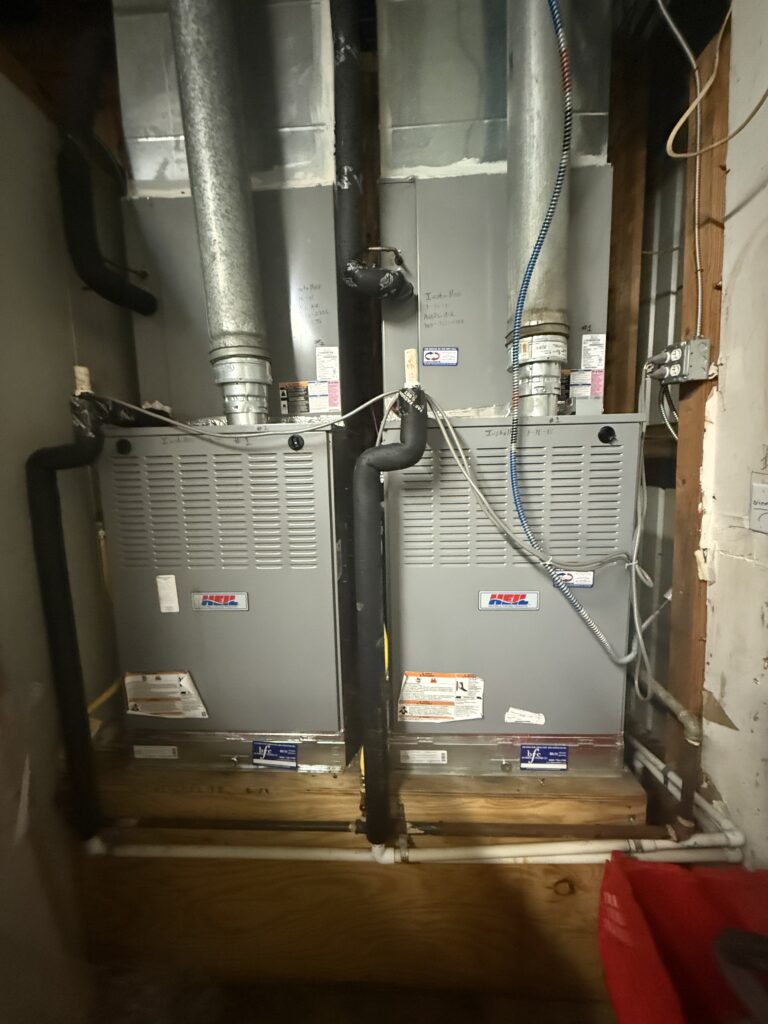
Cold weather exacerbates this issue significantly. When the furnace turns on during a freezing night, the metal is starting from a much colder baseline temperature. The rapid shift from cold to hot creates a thermal shock that can cause weak spots in the metal to fracture. A crack in the heat exchanger is not just a mechanical failure. It is a severe safety hazard. These cracks can allow carbon monoxide, an odorless and deadly gas, to leak into the airstream of your home. Older furnaces often lack the advanced sensors found in modern units that might detect these fluctuations.
Visual inspections of the heat exchanger are difficult for the average homeowner because the cracks can be microscopic or hidden behind other components. They often open up only when the metal is hot and close back up when it cools. A professional inspection using combustion analysis tools is necessary to identify these breaches. Ignoring the age of your heat exchanger during a cold winter is a risk. If your furnace is over fifteen years old, the metal is already fatigued. pushing it hard during a freeze increases the likelihood of a crack developing precisely when the system is running the longest.
Lubrication Breakdown and Motor Strain
Every heating system relies on motors to move air. The blower motor pushes warm air into the house, and the inducer motor pulls exhaust gases out of the flue. These motors contain bearings that allow the internal shaft to spin freely at high speeds. In older motors, these bearings rely on oil or grease for lubrication. Over years of operation, this lubricant naturally degrades. It can dry out, become contaminated with dust, or leak out of the sealed casing. When the weather turns cold, the remaining lubricant becomes viscous and thick.
Thick oil increases the friction inside the motor. When the thermostat calls for heat on a cold morning, the motor has to fight against this sticky resistance to get up to speed. This struggle draws excessive amperage from the electrical supply. For an old motor with already worn windings, this extra electrical load generates damaging internal heat. You might hear a groaning or whining sound when the heat first turns on. This is the sound of the motor crying out under the strain of the cold, thick lubrication.
If the motor cannot overcome the friction, it may fail to start entirely. It might hum loudly and then shut off on a thermal overload switch. Repeated attempts to start in this condition can burn out the motor windings permanently. In some cases, the motor might run but at a slower speed than designed. This reduced airflow causes the furnace to overheat or the heat pump to lose efficiency. The cold weather exposes the weakness in the lubrication that might go unnoticed during milder temperatures. Replacing a motor is a common repair, but it is often a symptom of the overall age of the system.
Electrical Component Failure in Low Temperatures
Electrical components are notoriously sensitive to temperature extremes. Inside your outdoor heat pump or condenser unit, there are capacitors and relays that control the flow of electricity. A capacitor acts like a battery that gives the compressor and fan motors the jolt of energy they need to start. These components contain liquid electrolytes and dielectrics. In an older system, these fluids can evaporate or break down. When the temperature drops near freezing, the chemical reactions inside a weak capacitor slow down. It loses its ability to hold and discharge a charge effectively.
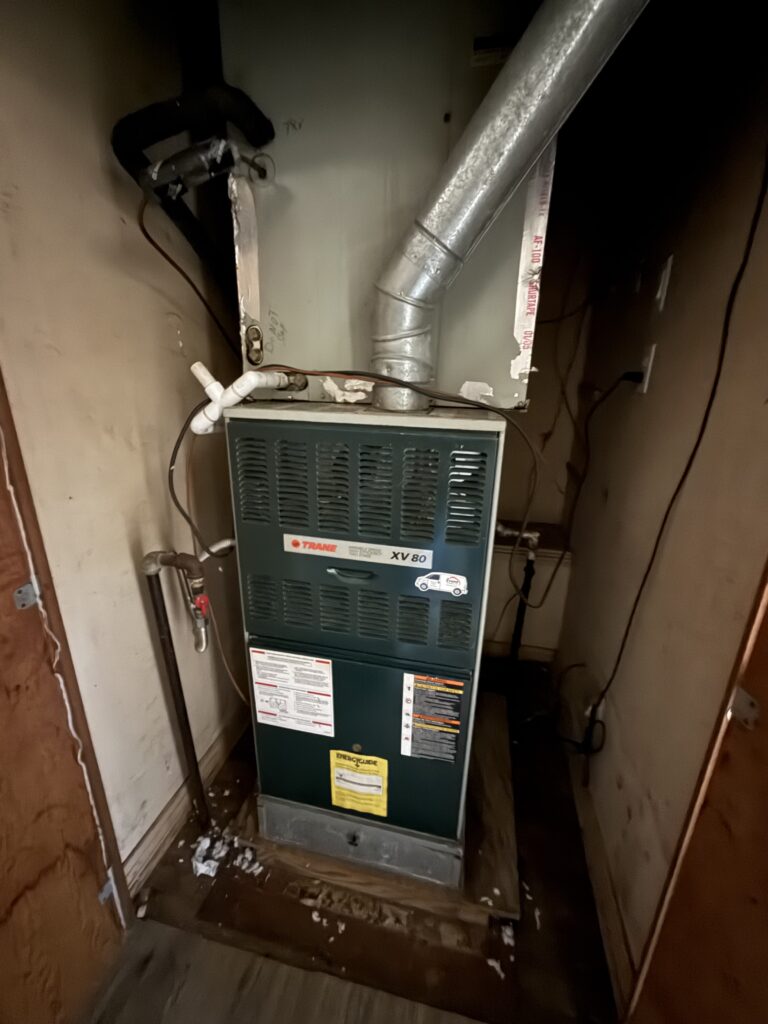
A weak capacitor on a freezing day spells trouble for the compressor. The compressor needs a strong push to get moving, especially when the oil inside it is also cold and thick. If the capacitor cannot provide that push, the compressor will stall. This creates a hum and causes the lights in the house to dim as the unit pulls massive amounts of power trying to start. This “hard starting” is incredibly damaging to the compressor. It can shorten the life of the compressor significantly or cause it to seize up completely.
Wiring insulation also suffers from the effects of age and cold. The plastic or rubber coating on wires can become brittle after years of exposure to the elements and heat cycles. In the winter, this brittle insulation can crack. If the wires vibrate against the metal casing of the unit, the exposed copper can cause a short circuit. This can blow fuses, trip breakers, or even cause small electrical fires. Inspecting the electrical connections is a vital part of winter maintenance for older systems because a loose or exposed wire can shut the entire system down instantly.
The Efficiency Drop of Aging Heat Pumps
Heat pumps are a popular heating choice in Longview, but older technology struggles significantly in cold weather. A heat pump works by extracting heat from the outdoor air and moving it inside. As the outdoor temperature drops, there is less heat energy available to harvest. Modern heat pumps with inverter technology can work efficiently down to very low temperatures. However, older single-stage heat pumps see a drastic drop in capacity when the temperature falls below forty degrees.
An aging heat pump may have lost some of its refrigerant charge over the years due to tiny micro-leaks. In the summer, the unit might still cool adequately, masking the issue. In the winter, however, that slight loss of charge is catastrophic to performance. The system cannot build enough pressure to extract heat from the cold air. The air coming out of the vents feels lukewarm or even cool. The unit runs continuously, trying to reach the set temperature but failing to make progress.
To compensate for this lack of capacity, the system engages its auxiliary heat strips. These are electric resistance coils that act like a giant toaster oven inside your air handler. They use a tremendous amount of electricity. An older heat pump that has lost efficiency will rely on these expensive strips far more often than a new unit. You might notice your electric bill skyrocket during the winter months. This is a clear sign that the heat pump is no longer doing the heavy lifting and the backup heat is doing all the work. The older the unit, the more likely it is to become essentially an electric furnace, which is the most expensive way to heat a home.
Brittle Ductwork and Sealant Failure
The ductwork is the circulatory system of your home, delivering the warm air to each room. In many older homes, the ductwork is located in the unconditioned attic. This means the ducts are exposed to the ambient outdoor temperature. If it is thirty degrees outside, it is thirty degrees in your attic. The materials used to seal and insulate ducts degrade over time. The mastic and tape used twenty years ago dries out and becomes flaky. The outer plastic vapor barrier of flexible ducts becomes brittle and cracks.
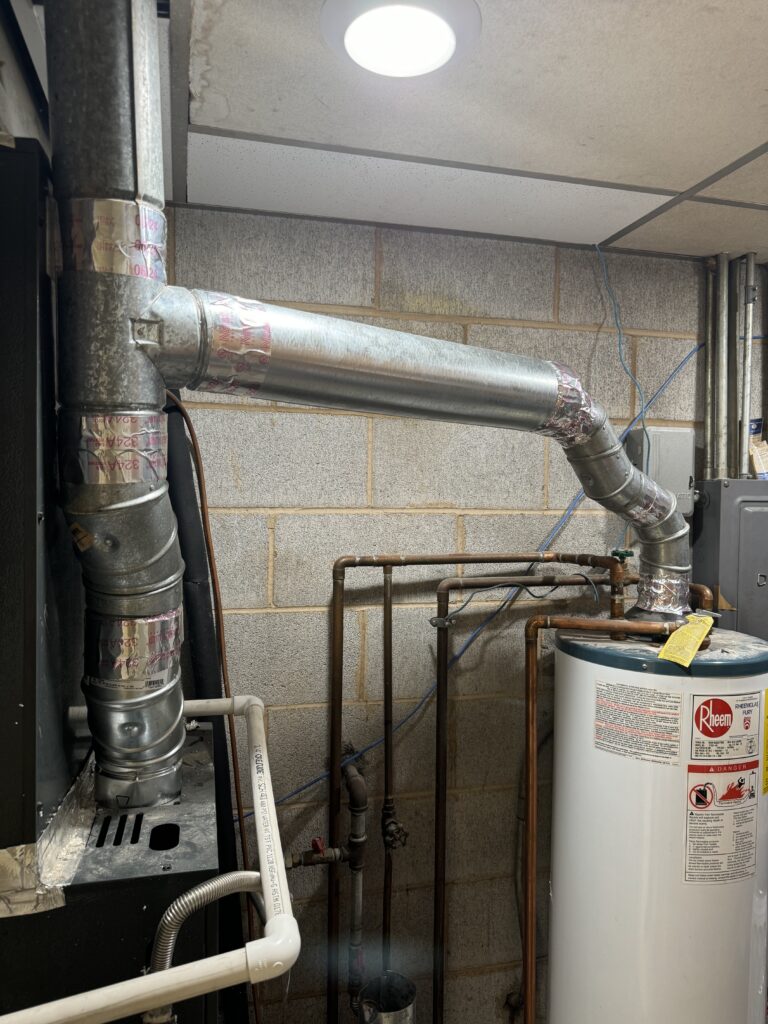
Cold weather accelerates the failure of these old sealants. As the metal ducts contract in the cold, the dried-out tape pulls away from the joints. This creates gaps where your expensive heated air leaks out into the attic. You are paying to heat the neighborhood while your living room remains chilly. Furthermore, the return ducts can suck in the freezing attic air through these leaks. This mixes with the indoor air and lowers the temperature of the air entering the furnace, forcing the unit to work longer to heat it up.
The insulation wrapped around the ducts also settles and compresses with age. Old fiberglass insulation loses its loft and its R-value. This allows the heat inside the ducts to transfer through the walls of the duct and be lost to the cold attic air. The air might leave the furnace at one hundred and twenty degrees but arrive at the bedroom vent at only ninety degrees. This thermal loss makes the system feel weak. Homeowners often blame the furnace for not producing heat when the reality is that the heat is being lost in transport due to aging infrastructure.
The vulnerabilities of an older HVAC system become glaringly apparent when the Texas weather turns cold. The physical toll of years of service leaves metal fatigued, oil thick, and electrical parts weak. These aging components simply cannot handle the stress of a freeze with the same resilience as a modern system. The risks range from expensive inefficiency to dangerous safety hazards like cracked heat exchangers. Ignoring the age of your equipment is a gamble that often results in uncomfortable nights and emergency repair bills.
RC’s A/C Reliable Climate understands the nuances of aging equipment in the Longview area. We know that replacing a system is a major decision, but we also know the cost of keeping a dangerous or inefficient unit running. Our team provides honest assessments that focus on your safety and budget. We can help you nurse an older system through another winter with targeted maintenance or guide you toward a replacement that will lower your bills and provide peace of mind. Do not wait for the heat to fail in the middle of a freeze. assessing the health of your older system now is the best way to ensure a warm and safe winter for your family.