
Common HVAC Mistakes Homeowners Make
owning a home in Longview involves a continuous cycle of maintenance and repair tasks. The heating and cooling system represents one of the largest financial investments within the property. It determines the comfort level of the family and accounts for a significant portion of the monthly energy budget. despite the importance of this system, many homeowners unintentionally sabotage its performance through simple errors in judgment or a lack of understanding. These mistakes often stem from common misconceptions passed down through generations or bad advice found online. while the intentions are usually good, the results can be disastrous for the equipment. reducing the lifespan of an air conditioner or furnace is a costly penalty for a moment of negligence. identifying these common pitfalls helps you protect your investment and ensures your home remains a sanctuary against the Texas weather.
the complexity of modern hvac equipment requires a specific set of operating conditions to function correctly. engineers design these systems to move a precise amount of air and maintain specific pressures. when a homeowner interferes with these parameters, efficiency drops immediately. the degradation might not be visible instantly. it often accumulates over months or years until a catastrophic failure occurs. avoiding these errors does not require a degree in mechanical engineering. it simply requires a willingness to learn how the system works and a commitment to consistent care. by adjusting a few habits and prioritizing professional maintenance, you can save thousands of dollars in repairs and utility costs over the life of your home.
Neglecting Routine Air Filter Changes
the air filter is the most critical maintenance component accessible to the average homeowner. its primary function is to protect the internal components of the system from dust and debris. unfortunately, it is also the most frequently overlooked aspect of hvac care. many people wait until they see dust gathering on the vent covers before they think about the filter. by that time, the damage is already being done. a clogged filter restricts the airflow that the system needs to breathe. the blower motor must work harder to pull air through the resistance of the dirt. this increased workload causes the motor to run hot and consume more electricity.
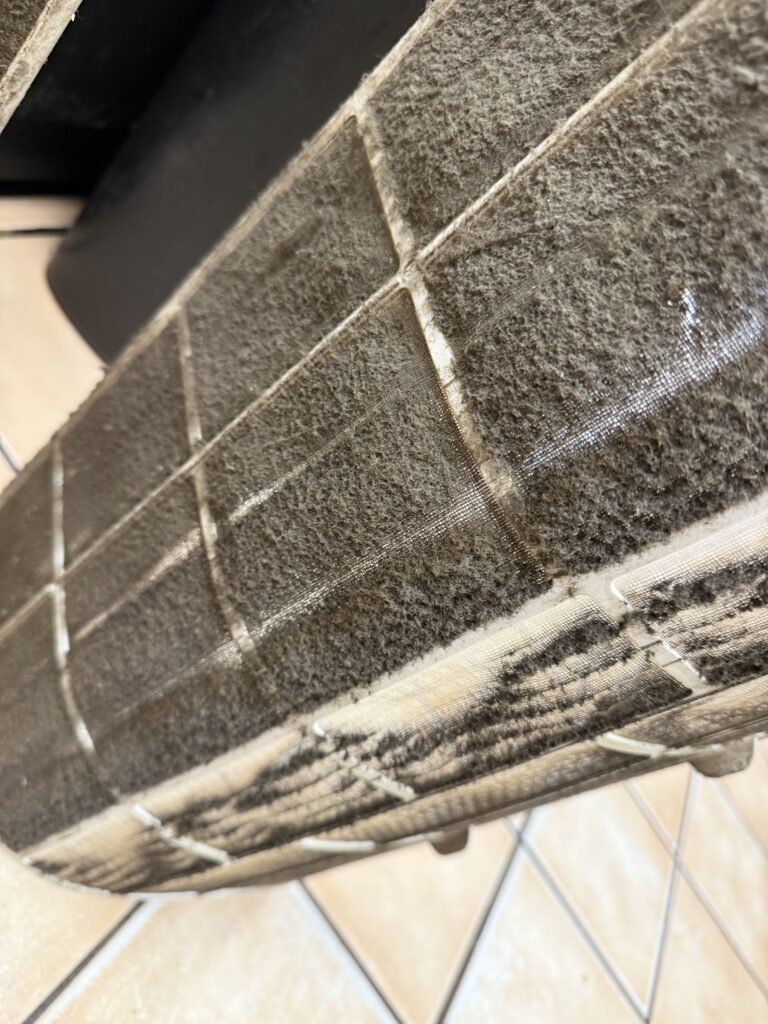
airflow restriction leads to a host of mechanical issues beyond just high energy bills. in the summer, low airflow over the indoor coil causes the temperature of the coil to drop below freezing. moisture from the air condenses on the coil and turns into ice. a frozen coil blocks the air completely and can cause liquid refrigerant to flood back into the compressor. this liquid slugging can destroy the valves inside the compressor and result in a total system failure. in the winter, a dirty filter causes the furnace heat exchanger to overheat. the safety limit switch will trip and shut the furnace down to prevent a fire. repeatedly overheating the metal heat exchanger can cause it to crack. a cracked heat exchanger is a serious safety hazard that can leak carbon monoxide into the home.
the frequency of filter changes depends on several factors. homes with pets, carpet, or high traffic levels generate more dust than others. the standard recommendation of changing the filter every three months is often insufficient for the pollen heavy climate of east texas. checking the filter once a month is a safer practice. holding the filter up to a light source is a quick test. if light cannot pass through the material easily, then air cannot pass through it either. using high efficiency filters is great for air quality, but they also restrict airflow more than standard fiberglass filters. you must ensure your system is capable of handling the higher pressure drop of a dense filter before installing one. consulting with a professional can help you find the right balance between filtration and airflow.
Closing Vents in Unused Rooms
there is a persistent myth that closing the vents in empty rooms saves money. the logic seems sound on the surface. if you are not using the guest bedroom, why pay to cool it? however, a central air conditioning system does not work like a lighting system. you cannot simply turn off the cooling to one specific area without affecting the whole. the blower fan moves a fixed volume of air regardless of how many vents are open. when you close a vent, that air does not simply stop being produced. it is forced back into the ductwork where it searches for an escape route.
this increases the static pressure inside the duct system significantly. the pressure builds up and pushes against the seams and joints of the ductwork. in many homes, this excess pressure causes air leaks to develop. conditioned air is then pushed out into the attic or crawlspace where it is wasted. the system has to run longer to satisfy the thermostat because it is losing a portion of its capacity to the leaks. furthermore, the increased pressure puts a strain on the blower motor. variable speed motors will ramp up to try and overcome the resistance, which uses more electricity. standard motors will simply move less air, which can lead to the freezing issues mentioned earlier.
closing vents also disrupts the airflow balance of the house. interior doors usually have a gap at the bottom to allow air to return to the central intake. if a room is closed off and the vent is shut, that room can become pressurized or depressurized depending on the leaks. this imbalance can pull unconditioned air from outside through electrical outlets or window frames. it also creates temperature variances that confuse the thermostat. the system is designed to work as a complete loop. keeping all vents open allows the air to circulate freely and mix properly. this ensures even temperatures throughout the home and allows the equipment to run at its designed efficiency levels.
Ignoring the Outdoor Unit Environment
the condenser unit sitting in your backyard or side yard is built to withstand the elements. it is designed to handle rain, wind, and sun. however, it is not designed to handle physical obstructions. the outdoor unit needs to breathe just as much as the indoor unit. its job is to release the heat that was absorbed from inside the house. it does this by pulling air through the metal fins of the coil. homeowners often make the mistake of crowding the unit with landscaping to hide it from view. planting bushes, shrubs, or tall grass right up against the metal cage blocks the airflow.
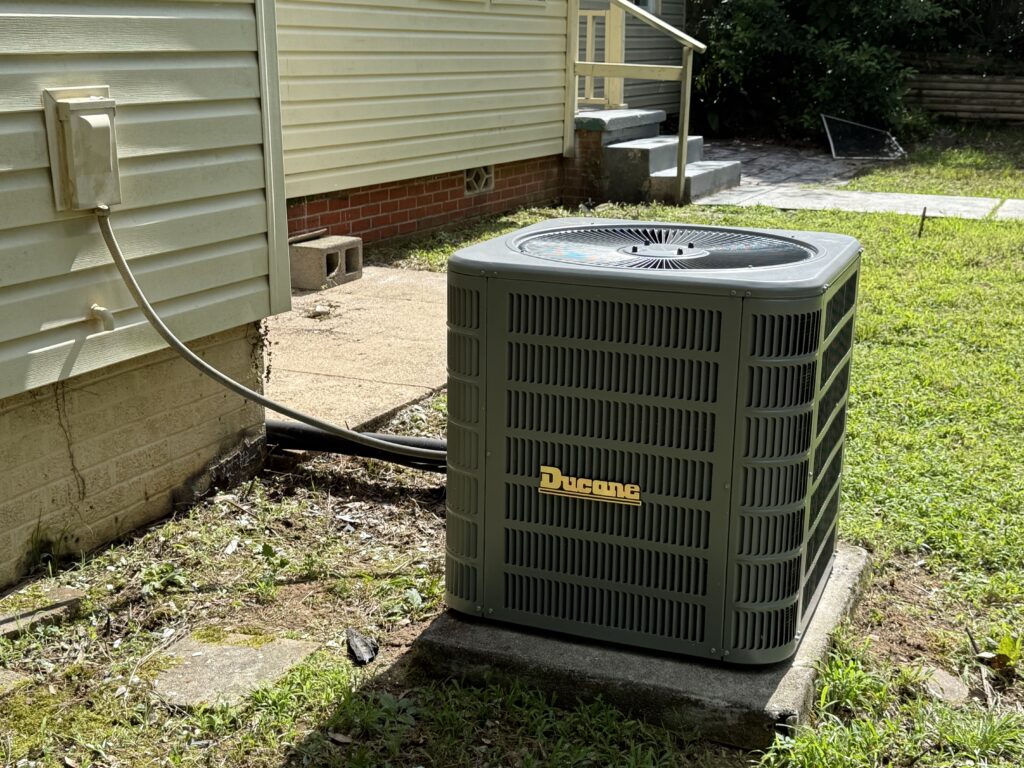
when the air cannot circulate freely around the condenser, the heat gets trapped. the air that is discharged from the top of the unit is often recirculated back into the sides. this hot air recycling causes the head pressure of the system to skyrocket. the compressor has to work against this high pressure, which drastically increases amp draw and heat generation. over time, this cooks the oil inside the compressor and leads to mechanical burnout. you should always maintain a clearance of at least two feet on all sides of the unit. trim back any vegetation that encroaches on this zone.
debris is another common enemy. grass clippings from mowing the lawn often get blown into the fins. dirt and mud can splash up during heavy rains. cottonwood seeds and pollen can create a mat over the coil surface. this layer of debris acts as an insulating blanket. it prevents the heat from transferring out of the refrigerant. cleaning the outdoor unit with a gentle stream of water from a garden hose should be part of your seasonal maintenance. do not use a pressure washer, as the high force can bend the delicate aluminum fins and ruin the coil. keeping the area around the unit clean and clear allows the heat to dissipate quickly and keeps your electric bill in check.
Delaying Professional Maintenance
the “if it isn’t broken, don’t fix it” mentality is dangerous when applied to hvac systems. many homeowners view professional maintenance as an unnecessary expense. they wait until the system stops cooling or making a strange noise before they call a technician. this reactive approach is almost always more expensive than a proactive one. routine maintenance is not just about checking a box. it is about inspecting the components that are prone to wear and tear. technicians check refrigerant levels, electrical connections, and motor bearings. they clean the coils and clear the drain lines.
small issues often go unnoticed by the untrained eye. a capacitor might be weak and on the verge of failure. a contactor might be pitted and causing voltage drops. a refrigerant leak might be just starting to develop. catching these problems early allows for a cheap and easy repair. waiting until the part fails completely often causes collateral damage. a failed capacitor can take out a compressor. a clogged drain line can cause thousands of dollars in water damage to the ceiling and floors. the cost of an annual tune up is a fraction of the cost of these major repairs.
manufacturers also require proof of maintenance for warranty claims. if your compressor dies five years into a ten year warranty, the manufacturer may ask for service records. if you cannot prove that the unit was maintained, they can deny the claim. they view neglect as abuse. protecting your warranty coverage is a smart financial move. regular maintenance also ensures the system runs at peak efficiency. a clean and tuned system uses less energy to do the same job. the savings on your monthly utility bill often offset the cost of the service call.
DIY Repairs and Installation
the internet is full of videos showing how to fix anything. while this is great for fixing a leaky faucet or painting a room, hvac repairs are different. modern heating and cooling systems involve high voltage electricity, high pressure refrigerant, and combustible gases. attempting to repair these systems without the proper training and tools is dangerous. improper handling of electrical components can lead to severe shock or fire. mishandling refrigerant is illegal and harmful to the environment. even a seemingly simple task like replacing a thermostat can go wrong if the wiring is crossed. causing a short circuit can fry the control board or the transformer.
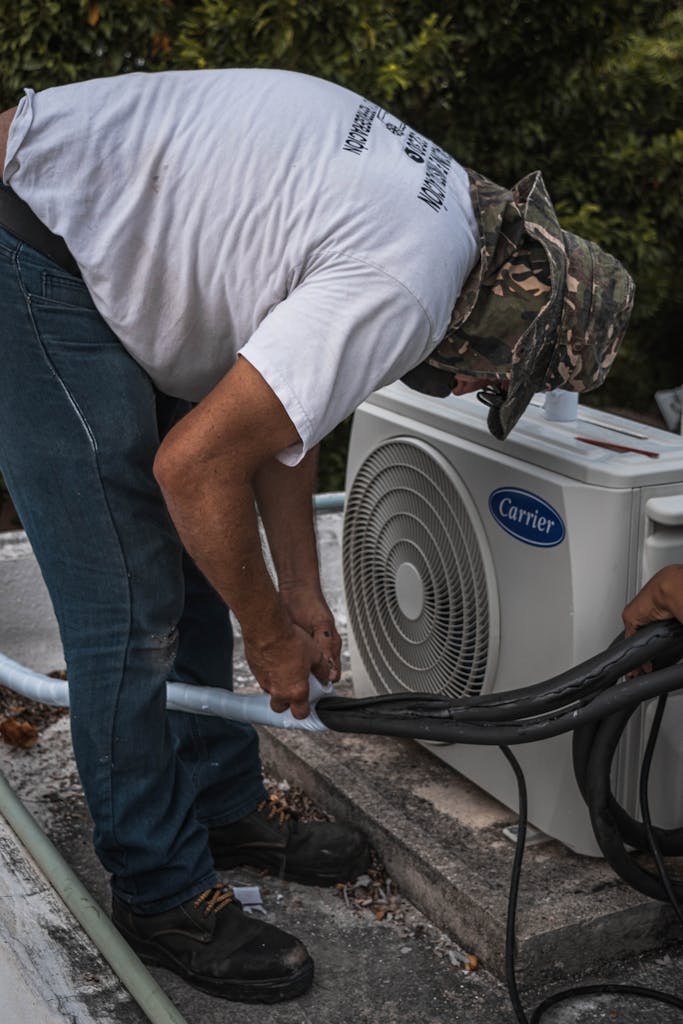
improper sizing is a common mistake when homeowners try to install their own window units or mini splits. they assume that bigger is always better. if an air conditioner is too large for the space, it will cool the room down too quickly. the thermostat will shut off before the system has had time to remove the humidity. this results in a cold, clammy room that promotes mold growth. the unit will also short cycle, turning on and off rapidly. this places immense stress on the compressor and shortens its life. sizing a unit requires a manual j load calculation that considers insulation, window area, and orientation.
professional technicians have the diagnostic tools to identify the root cause of a problem. a homeowner might replace a part that looks burnt, only to have the new part burn out immediately because the underlying electrical issue was not resolved. guessing at repairs is an expensive game. calling a licensed contractor ensures the job is done right the first time. it also ensures that safety protocols are followed. your family’s safety is worth the cost of professional expertise.
Misusing the Thermostat Settings
the thermostat is the brain of the operation, but user error can confuse it. one common mistake is treating the thermostat like a throttle. people often crank the temperature down to sixty degrees when they get home, thinking it will cool the house faster. air conditioners run at the same speed regardless of the setting. setting it lower just makes the target harder to reach. it does not make the cold air come out any faster. this behavior often leads to the unit running for hours and overcooling the space, wasting energy.
another frequent error is the fan setting. the fan switch has two options which are “auto” and “on”. leaving the fan in the “on” position means the blower runs twenty four hours a day, even when the compressor is off. this circulates air continuously. while this can help with filtration, it is terrible for humidity control in humid climates like texas. when the compressor turns off, the indoor coil is wet. if the fan keeps running, it evaporates that moisture and blows it back into the house. the humidity levels rise, making the air feel sticky. keeping the fan on “auto” allows the coil to drain properly and keeps the humidity in check.
programmable thermostats are excellent tools, but only if they are programmed correctly. drastic temperature setbacks can sometimes backfire. if you let the house get up to eighty five degrees while you are at work, the system has to work incredibly hard to bring it back down to seventy two when you return. this recovery period can use just as much energy as maintaining a moderate temperature all day. finding a balance is key. smart thermostats can help learn your schedule and optimize these settings for you. avoiding extreme fluctuations reduces the strain on the equipment and improves comfort.
avoiding these common hvac mistakes requires a shift in mindset. treating your heating and cooling system with respect and attention pays dividends in the long run. simple actions like changing the filter and keeping the outdoor unit clear are within the capability of every homeowner. understanding the importance of airflow and the dangers of closing vents allows you to operate the system as it was designed. resisting the urge to perform complex repairs yourself protects your safety and your wallet. prioritizing professional maintenance is the most effective way to ensure longevity and efficiency.
RC’s A/C Reliable Climate is dedicated to helping the residents of Longview navigate the complexities of home comfort. we believe in empowering our customers with knowledge. when you understand how your system works, you can make better decisions about its care. we are here to provide the expert support you need, from seasonal tune ups to emergency repairs. preventative care is always cheaper than emergency replacement. taking the time to address these common issues today will ensure your home remains cool and comfortable for many years to come. do not wait for a breakdown to start caring for your hvac system. start today and enjoy the peace of mind that comes with a reliable climate.