
Preventative Maintenance Tips for Walk In Refrigeration Systems
For any business in Longview that handles perishable goods, the walk in cooler or freezer is arguably the most critical piece of equipment on the premises. From busy restaurants and school cafeterias to florists and grocery stores, these large refrigeration units work tirelessly to preserve inventory and ensure safety. A sudden failure of a walk in unit is more than just an inconvenience. It represents a potential financial disaster involving thousands of dollars in spoiled product, emergency repair costs, and lost business hours. While mechanical failures can happen to any machine, the vast majority of refrigeration breakdowns are preventable. They are often the result of slow degradation caused by neglect and lack of maintenance. Implementing a consistent preventative maintenance routine is the most effective way to protect your investment and ensure your business operations continue without interruption.
The concept of preventative maintenance is simple but often overlooked in the daily hustle of running a business. It involves inspecting, cleaning, and adjusting the system before a problem arises. Many business owners wait until the temperature rises or the unit makes a loud noise before calling a technician. By that time, the damage is often done, and the repair is significantly more expensive than a routine checkup would have been. A well maintained system runs more efficiently, consumes less electricity, and lasts years longer than a neglected one. In the heat of East Texas, where refrigeration equipment is pushed to its limits, proactive care is not just a recommendation. It is a necessity for commercial success.
The Critical Role of Clean Condenser Coils
The condenser coil is the component responsible for releasing the heat that is removed from the interior of the walk in cooler. It is typically located outside the building or on top of the box in a mechanical room. Because of its location and function, the condenser coil acts as a magnet for dust, dirt, grease, and airborne debris. As air is pulled through the fins of the coil by the condenser fan, these particles get trapped on the surface. Over time, this buildup forms a thick blanket that insulates the metal fins. This insulation prevents the heat from escaping into the surrounding air. When the heat cannot escape, the refrigerant pressure inside the system rises dramatically.
High head pressure is the enemy of the compressor. The compressor has to work much harder to pump the refrigerant against this elevated pressure. This causes the compressor to draw more amperage and generate excessive internal heat. If the condition persists, the compressor oil can break down, leading to mechanical failure. A dirty condenser coil is the leading cause of premature compressor death in commercial refrigeration. Cleaning this coil is the single most important maintenance task you can perform. It involves using a stiff brush to remove surface debris and a chemical coil cleaner to wash away grease and grime from deep within the fins. This should be done at least every three months, or more frequently in dusty or greasy environments.
In addition to protecting the compressor, keeping the coil clean has a direct impact on your energy bills. A system with a dirty coil runs longer cycles to achieve the set temperature. The fans and compressor run continuously, spinning the electric meter the entire time. By simply keeping the airflow unrestricted, you allow the system to reject heat efficiently and shut off when the work is done. This reduction in runtime saves money and extends the life of every component in the condensing unit. It is a straightforward task that yields massive returns in reliability and efficiency.
Inspecting Door Gaskets and Hinges for Air Leaks
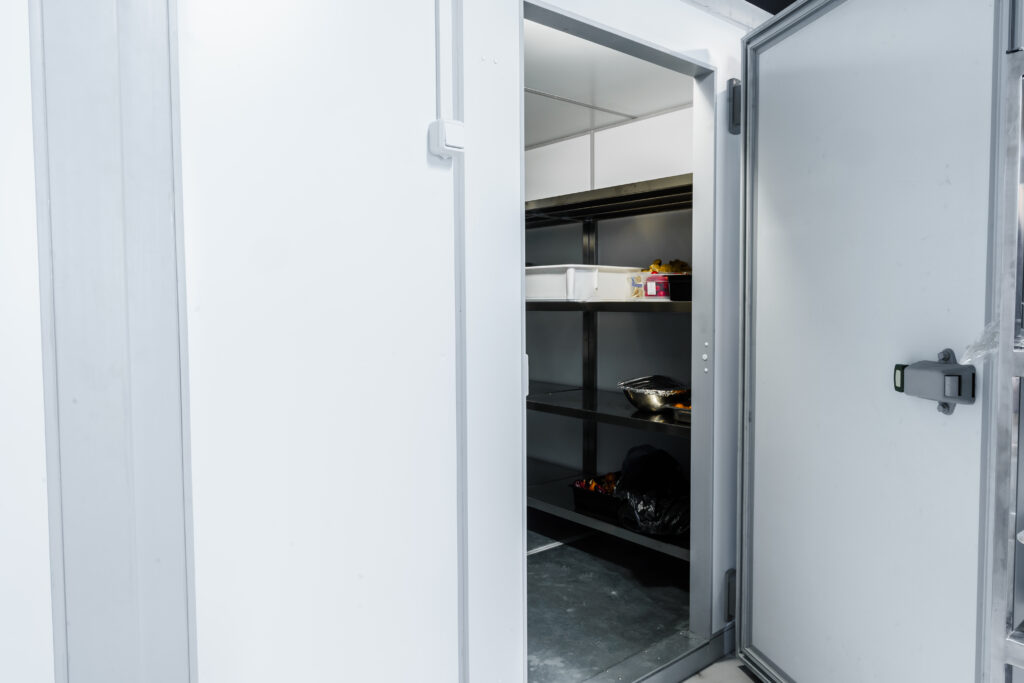
The structural integrity of the walk in box is just as important as the mechanical components. The door is the primary weak point in the thermal envelope. Every time the door opens, cold air escapes and warm, humid air enters. When the door is closed, the gasket is responsible for creating an airtight seal to stop this transfer. Door gaskets are made of rubber or vinyl and contain a magnetic strip to hold the door tight against the frame. In a busy commercial kitchen, these gaskets endure constant abuse. They get slammed, pulled, and covered in food residue. Over time, the material becomes brittle, cracks, or tears.
A compromised gasket allows a constant stream of warm air to infiltrate the cooler. This infiltration adds a significant heat load to the system. The refrigeration unit must run constantly to combat this invisible leak. You might notice condensation or ice forming around the door frame or on the ceiling near the door. This is a clear sign that humid air is entering the box. In a freezer, this moisture turns to ice immediately, which can build up on the threshold and prevent the door from closing completely. Inspecting the gaskets weekly for rips or gaps is essential. If you can slide a dollar bill between the gasket and the frame with the door closed, the seal is bad and the gasket needs to be replaced.
The hardware that holds the door is also subject to wear. The hinges and the latch mechanism bear the weight of the heavy insulated door. If the screws loosen or the hinges sag, the door will not align properly with the frame. This misalignment prevents the gasket from sealing, even if the gasket itself is brand new. Lubricating the hinges and tightening the mounting screws should be part of your maintenance routine. A door closer that is broken or disconnected ensures that the door stays open longer than necessary, wasting energy. ensuring the door closes automatically and seals tightly is a passive way to save energy and protect your product.
Managing Airflow and Evaporator Coil Health
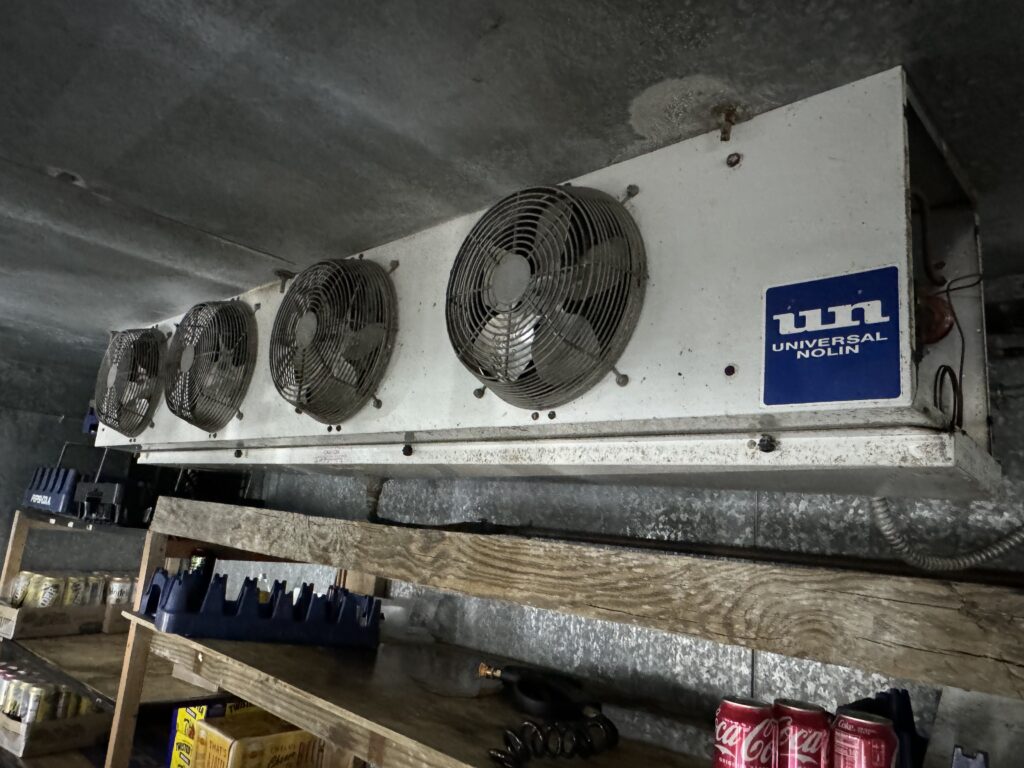
Inside the walk in cooler, the evaporator coil is where the cooling actually happens. Fans blow air through the cold coil to remove heat from the space. For this process to work, the airflow must be unimpeded. One of the most common mistakes in commercial storage is stacking boxes too high or placing product directly in front of the fans. If the air cannot circulate across the entire room, you will end up with warm spots. Product in the corners might spoil while product near the fans freezes. Maintaining a clear path for air circulation is vital for temperature uniformity. You should always leave at least eighteen inches of clearance around the evaporator unit.
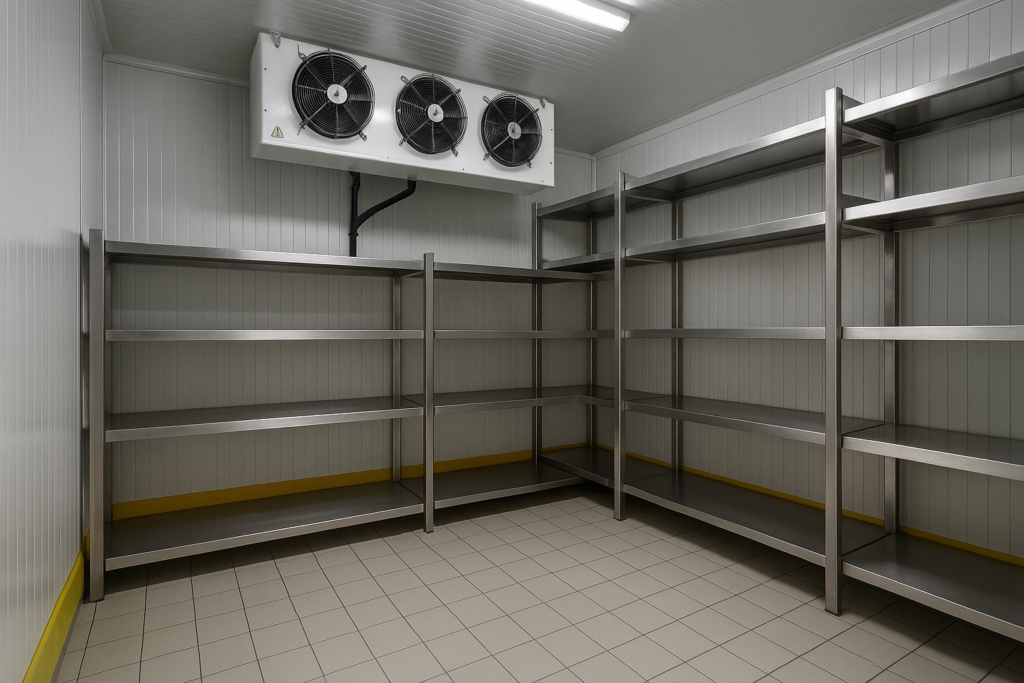
The evaporator coil is also prone to dirty buildup, although usually less so than the outdoor condenser. Dust and flour from the kitchen can be sucked into the evaporator fans and clog the fins. More importantly, the evaporator is susceptible to ice formation. If the airflow is restricted or the door is left open too long, moisture will freeze onto the coil. A block of ice stops air from passing through the fins. When this happens, the cooling capacity drops to zero. The compressor continues to run, but the box temperature rises. Regular visual inspections of the coil can catch ice buildup early.
Defrost cycles are designed to prevent this icing. The system automatically turns off the cooling or activates electric heaters to melt any accumulated frost. If the drain pan or drain line is clogged, the water from the melting ice has nowhere to go. It can refreeze on the floor or build up in the pan until it encapsulates the fan blades. Listening for the sound of fan blades hitting ice is a good way to catch a problem before the motor burns out. Keeping the evaporator clean and ensuring the defrost cycle is functioning correctly prevents these catastrophic freeze ups.
Drain Line Maintenance and Moisture Control
The cooling process naturally dehumidifies the air. The moisture removed from the air condenses into water on the evaporator coil and drips into a drain pan. This water must be channeled out of the walk in cooler through a drain line. In the warm, dark, and wet environment of the drain line, algae, mold, and slime grow rapidly. Over time, this biological growth forms a plug that blocks the flow of water. When the drain line clogs, the water overflows the pan and drips onto the floor of the cooler. In a cooler, this creates a slip hazard and a breeding ground for bacteria. In a freezer, the water turns into a sheet of ice that is dangerous for staff and difficult to remove.
Preventing drain line clogs requires regular cleaning. You should locate the drain line outlet and ensure it is dripping freely when the system is running or in defrost. Pouring a mild cleaning solution or warm water down the drain line from inside the unit helps flush out the sludge. Some maintenance plans include using compressed air or nitrogen to blow out the line and ensure it is completely clear. It is also important to check the heater tape on freezer drain lines. Since the line passes through a freezing environment, it is wrapped in an electric heating element to keep the water from turning to ice inside the pipe. If this heater fails, the pipe will freeze solid and burst.
Moisture control extends beyond the drain line. Excessive humidity inside the box makes the system work harder to remove latent heat. Ensuring that liquids are covered and that warm food is not placed directly into the cooler helps reduce the humidity load. Every gallon of soup or sauce that cools down releases steam into the air. This steam ends up on the coils. Managing how product is introduced to the cooler assists the mechanical system in maintaining a dry and stable environment.
Temperature Monitoring and Thermostat Calibration
The thermostat is the brain of the refrigeration system. It tells the compressor when to run and when to stop. Relying solely on the digital display on the outside of the door can be a mistake. These sensors can drift out of calibration over time or fail completely. The display might read a perfect thirty eight degrees while the actual temperature inside is forty five degrees. This discrepancy can lead to health code violations and spoiled food. Using a secondary, independent thermometer placed inside the box is a best practice. You should check this thermometer daily and compare it to the system controller.
If you notice a variance, the thermostat may need to be recalibrated or the sensor may need to be replaced. Tracking temperature trends is also part of preventative maintenance. If you notice that the temperature is creeping up slowly over a week, it is a sign that something is wrong. It could be a dirty coil, a low refrigerant charge, or a failing motor. Catching this trend early allows you to call for service before the box goes completely warm.
Data loggers are becoming more common in commercial refrigeration. these devices record the temperature at set intervals and provide a history of the unit’s performance. This data can show you if the unit is struggling to recover after delivery deliveries or if it is running longer than usual at night. Understanding the normal rhythm of your equipment helps you spot abnormalities. It moves you from reactive fire fighting to proactive management. Ensuring your controls are accurate is the only way to be certain your food is safe.
Electrical Connections and Motor Health
Vibration is a constant force in refrigeration systems. The compressors and large fans create a low level hum that vibrates the entire unit. Over months and years, this vibration can cause electrical connections to loosen. A loose wire creates resistance. Resistance creates heat. Eventually, a loose connection can burn through the wire or melt the terminal block. This can cause intermittent failures where the unit shuts off randomly or fails to start. During a maintenance visit, a technician will tighten all electrical connections in the control panel and at the motors to prevent this issue.
Contactors are heavy duty electrical switches that control the high voltage power to the compressor. Every time the contactor cycles, a small electrical arc occurs. Over thousands of cycles, the metal contacts become pitted and carbonized. This creates a poor connection that can damage the compressor motor. Inspecting the contactors and replacing them when they show signs of wear is a cheap insurance policy against a compressor burnout.
Fan motors also require attention. While many modern motors are permanently lubricated, some older models still require oiling. Listening to the motors is a key part of maintenance. A motor with bad bearings will often make a grinding or squealing noise long before it seizes. If a condenser fan motor fails, the head pressure will spike and trip the safety limits. If an evaporator fan motor fails, the coil will freeze. Replacing a noisy motor during a scheduled visit prevents an emergency shutdown during the dinner rush.
The walk in cooler is a workhorse that operates twenty four hours a day, seven days a week. It endures heavy usage, high ambient temperatures, and constant humidity. Expecting it to run indefinitely without care is unrealistic and risky. Preventative maintenance is an investment in the stability of your business. The cost of regular cleaning and inspection is a fraction of the cost of emergency repairs and lost inventory. By keeping the coils clean, the door seals tight, and the drains clear, you ensure that your refrigeration system operates at peak efficiency.
RC’s A/C Reliable Climate understands the unique pressures facing business owners in Longview. We know that downtime is not an option. Our commercial refrigeration services are designed to keep your equipment running reliably so you can focus on serving your customers. We offer comprehensive maintenance plans that cover all the critical check points discussed above. We partner with you to identify potential issues before they become emergencies. Do not wait for your cooler to fail on the hottest day of the year. Take control of your refrigeration health today and schedule a preventative maintenance check.