
Heat Pump vs Traditional AC Systems for Texas Homes
Choosing a heating and cooling system for a home in Longview involves navigating a sea of technical terms and conflicting advice. The climate in East Texas presents a unique challenge because it demands powerful cooling for the majority of the year and reliable heating for short but intense bursts of cold. Homeowners often default to replacing their existing equipment with the exact same type of system without considering if technology has offered a better solution. The two main contenders in the residential market are the traditional air conditioning system combined with a furnace and the increasingly popular heat pump. While they look nearly identical from the outside, the way they manage temperature differs fundamentally. Understanding these mechanical differences helps you decide which system aligns with your comfort needs and financial goals.
The decision affects more than just the temperature of your living room. It impacts your monthly utility bills, your carbon footprint, and the long term maintenance requirements of your home. Traditional systems have been the standard in Texas for decades, particularly in areas with access to cheap natural gas. Heat pumps have gained traction as efficiency standards rise and electric technology improves. There is no single answer that works for every property. Factors such as insulation quality, fuel availability, and upfront budget play critical roles. Making an informed choice requires looking past the marketing and understanding the physics of how your home stays comfortable.
The Mechanics of Cooling and Heating
A traditional air conditioning system and a heat pump cool your home in the exact same way. Both systems use a compressor to pump refrigerant between an indoor coil and an outdoor coil. This refrigerant absorbs heat from inside the house and releases it outside. In the summer, you would not be able to tell the difference between the two units based on performance alone. They both dehumidify and cool the air effectively. The divergence in technology occurs when the thermostat calls for heat. A traditional AC system shuts down the outdoor unit entirely during the winter. It relies on a separate furnace, usually located in the attic or closet, to generate heat. This furnace burns natural gas or propane to warm a metal heat exchanger. The blower motor pushes air over this hot metal to warm the house.
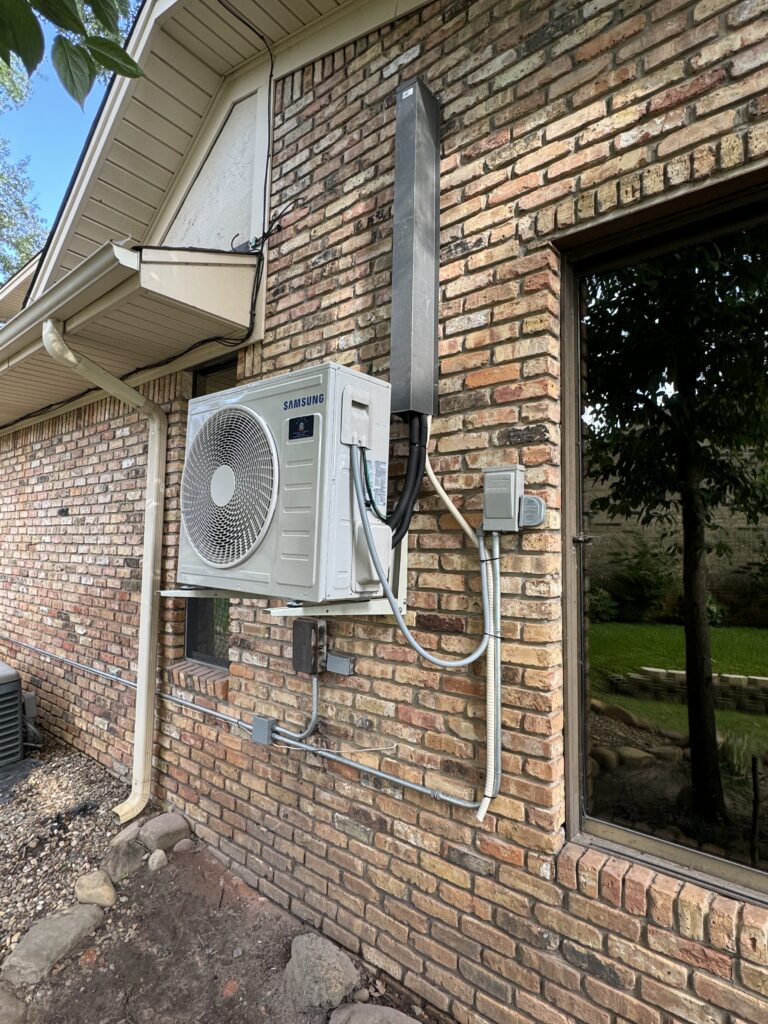
A heat pump does not have a separate furnace for its primary heating mode. Instead of shutting off in the winter, the outdoor unit reverses its operation. A component called a reversing valve switches the flow of refrigerant. The system stops pumping heat out of the house and starts pumping heat into the house. It absorbs thermal energy from the outdoor air, compresses it to a higher temperature, and releases it inside. Even when it feels cold outside, there is still heat energy in the air. The heat pump extracts this energy and moves it indoors. This process of moving heat is significantly more energy efficient than creating heat by burning fuel.
The traditional system is often referred to as a split system because the heating and cooling functions are split between two distinct pieces of equipment. The AC handles the summer and the furnace handles the winter. The heat pump is a singular system that handles both jobs using the same compressor and coils. This dual functionality simplifies the equipment footprint but increases the workload on the outdoor unit. A traditional AC compressor gets a vacation during the winter months. A heat pump compressor works year round. This operational difference is a key factor when considering the total lifespan and wear on the components.
Efficiency Ratings and Energy Consumption
Energy efficiency is the primary driver for many homeowners considering a switch to a heat pump. The efficiency of cooling is measured by SEER2 ratings, while heating efficiency for heat pumps is measured by HSPF2. Since heat pumps move heat rather than generating it, they can deliver more units of heat energy than the electrical energy they consume. In mild temperatures, a heat pump is incredibly efficient. It can cost significantly less to operate than a gas furnace or electric resistance heating. For a climate like Longview, where winter days often hover in the fifties, a heat pump operates in its sweet spot for a large portion of the heating season.
Gas furnaces are rated by AFUE, which measures the percentage of fuel converted to heat. A standard furnace is eighty percent efficient. This means twenty percent of the heat energy escapes up the flue pipe. High efficiency furnaces can reach percentages in the upper nineties. However, even the best furnace can never exceed one hundred percent efficiency. A heat pump can achieve efficiencies of three hundred percent or more because it is leveraging the ambient heat of the environment. This mathematical advantage results in lower electricity usage for heating compared to resistance heaters.
However, the cost calculation is not solely about efficiency percentages. It also depends on the cost of the fuel source. Natural gas prices in Texas have historically been lower than electricity prices per unit of energy. This economic reality can narrow the gap between the two systems. If electricity rates are high and gas is cheap, a gas furnace might still be cheaper to operate despite being less efficient thermodynamically. Homeowners must analyze their local utility rates to get a true picture of the potential savings. A highly efficient electric system might cost more to run if the price per kilowatt hour is exorbitant.
Performance in Extreme Texas Weather
Texas weather is characterized by its extremes. Summers consistently reach triple digits and winters can bring sudden arctic blasts. Traditional air conditioners are designed to handle the heat. As long as the unit is sized correctly, it will keep up with the July sun. Heat pumps are equally capable of cooling in extreme heat. The concern for heat pumps arises when the temperature drops near freezing. As the outdoor air gets colder, there is less heat energy available to extract. The efficiency and capacity of the heat pump decrease as the temperature falls. Older heat pump models struggled significantly when temperatures dipped below forty degrees.
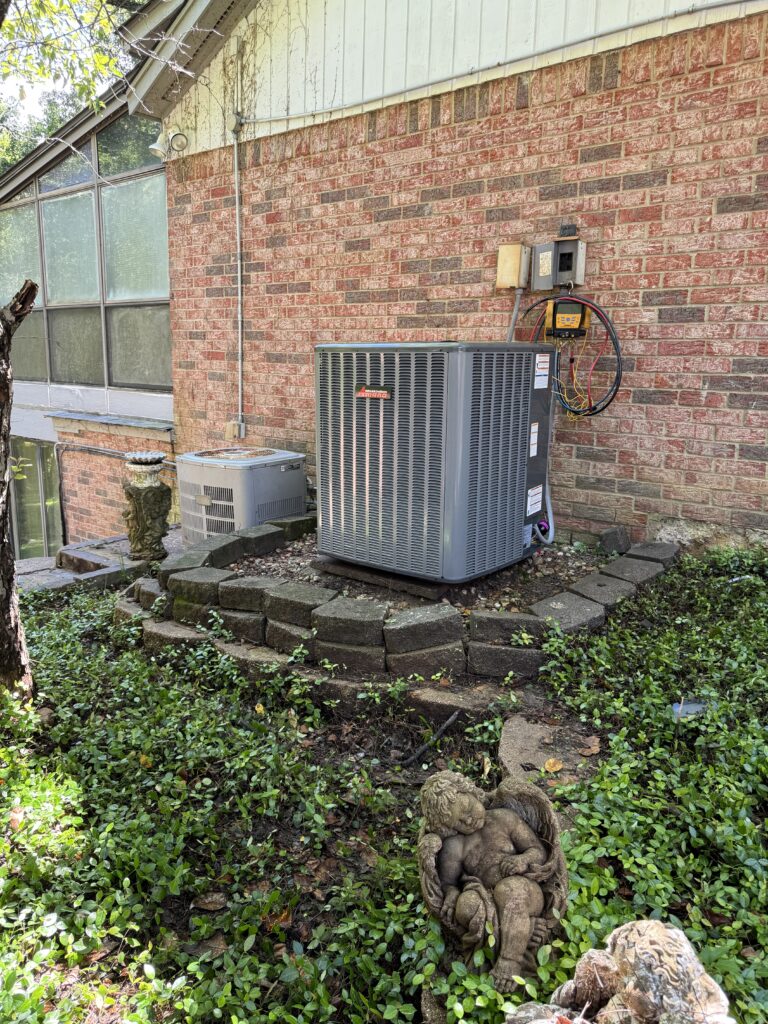
Modern heat pumps have improved drastically in this regard. Inverter driven compressors allow them to extract heat effectively even in temperatures down to zero. However, when the heat pump cannot keep up with the heat loss of the home, it requires a backup heat source. This is typically a bank of electric resistance heating strips installed in the air handler. These strips act like a giant toaster oven. They are effective but expensive to run. If your heat pump relies on heat strips for days at a time during a deep freeze, your electric bill will spike.
A gas furnace does not suffer from this drop in capacity. It burns at the same temperature regardless of how cold it is outside. A gas furnace provides a blast of hot air that warms a room quickly. This sensation of “hot” heat is often preferred by people who get cold easily. The air from a heat pump is typically cooler, usually around ninety to one hundred degrees, compared to the one hundred and twenty degrees or more from a furnace. During a polar vortex event, a gas furnace provides a level of security and raw power that a standard heat pump might struggle to match without heavy reliance on backup strips.
Installation Costs and Infrastructure
The upfront cost of the equipment is often the deciding factor for many families. Generally, a heat pump system costs slightly more to purchase than a traditional AC and furnace combination of similar quality. The technology inside a heat pump, including the reversing valve and complex control boards, adds to the manufacturing price. However, the installation cost varies wildly based on the existing infrastructure of the home. If your home is already set up for a gas furnace, replacing it with another gas furnace is a straightforward job. The gas lines, flue pipe, and electrical connections are already in place.
Switching from a gas furnace to a heat pump requires significant electrical work. A gas furnace uses very little electricity since the gas provides the heat energy. It usually runs on a standard 110 volt circuit. A heat pump air handler with backup electric heat strips requires a dedicated 220 volt circuit with a high amperage rating. Running new heavy gauge wire from your breaker panel to the attic or closet can be expensive. In some older homes, the main electrical panel might not have enough capacity to handle this new load. This could trigger the need for a complete panel upgrade, adding thousands of dollars to the project.
Conversely, if your home does not have access to natural gas, a heat pump is almost always the better choice over a straight electric furnace. An electric furnace uses resistance coils for all its heating, which is the most expensive way to heat a home. Installing a heat pump in an all electric home pays for itself quickly through energy savings. New construction homes in Longview are increasingly being built without gas lines to save on development costs. For these homes, high efficiency heat pumps are the standard and logical choice. The lack of gas piping and venting simplifies the construction process and eliminates the risk of carbon monoxide.
Maintenance and System Lifespan
The longevity of your HVAC system determines the return on your investment. A traditional cooling system runs hard for about six or seven months in Texas. During the winter, the outdoor unit sits idle. This downtime extends the life of the compressor and the condenser fan motor. The furnace only runs for a few months. This split workload means that the components are not under constant stress. It is not uncommon to see a gas furnace last twenty years or more because it has relatively low run hours compared to the AC.
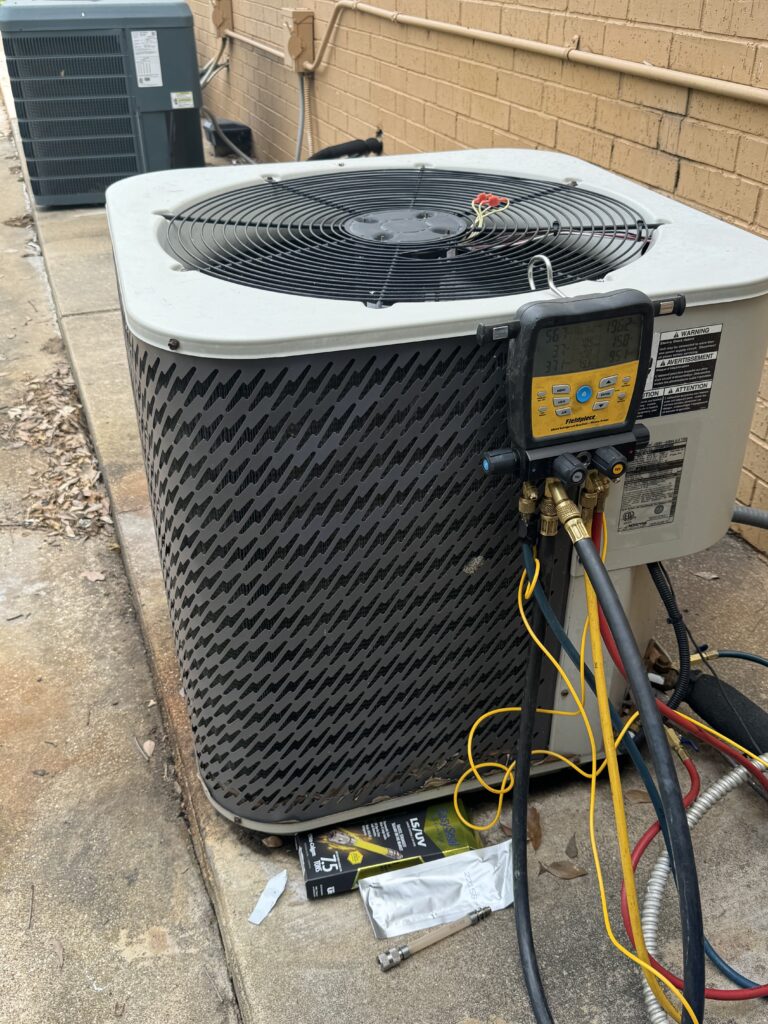
A heat pump runs year round. It cools you in the summer and heats you in the winter. The compressor never gets a seasonal break. Because of this continuous operation, the average lifespan of a heat pump is generally shorter than that of a dedicated air conditioner and furnace. A heat pump might last twelve to fifteen years before major components begin to wear out. This accelerated depreciation is a trade off for the efficiency and versatility of the system. Homeowners with heat pumps need to be diligent about maintenance. The outdoor coil must be kept clean in the winter as well as the summer to ensure proper airflow for heat exchange.
Maintenance requirements differ slightly as well. Gas furnaces require inspections of the heat exchanger, burners, and flue pipe. Technicians check for cracks and rust that could lead to safety hazards. Heat pumps require checks on the reversing valve, defrost board, and auxiliary heat strips. The complexity of the electronics in a heat pump can lead to higher repair costs if a control board fails. However, eliminating the gas burning component removes the maintenance tasks associated with igniters and flame sensors. Regardless of the system type, regular professional maintenance is nonnegotiable for warranty compliance and performance.
Environmental Impact and Safety
Safety is a paramount concern for any appliance that conditions the air you breathe. Gas furnaces involve the combustion of fossil fuels within the living envelope of your home. While modern furnaces have numerous safety switches, there is always a non zero risk of carbon monoxide leaks. A cracked heat exchanger or a blocked vent can allow this deadly gas to enter the bedrooms. Homes with gas furnaces must have working carbon monoxide detectors installed and tested regularly. The presence of a gas line also introduces the remote risk of gas leaks and fire.
Heat pumps run entirely on electricity. There is no combustion process, no flame, and no exhaust gas. This eliminates the risk of carbon monoxide poisoning entirely. For families who prioritize indoor air quality and safety above all else, the heat pump is the clear winner. There is no potential for backdrafting fumes into the house. From an environmental perspective, heat pumps are often viewed as the greener option. As the electrical grid becomes cleaner with more solar and wind power, the carbon footprint of running a heat pump decreases.
However, the source of the electricity matters. If the local power plant burns coal or natural gas to generate the electricity, the environmental benefit is less direct. Yet, the high efficiency of the heat pump means it uses less total energy to do the same amount of work. Reducing total energy consumption is always beneficial for the environment. For homeowners looking to pair their HVAC system with rooftop solar panels, a heat pump is the ideal companion. You can heat and cool your home using the power generated from your own roof, essentially eliminating your utility bill.
The choice between a heat pump and a traditional AC system depends on your specific priorities and the infrastructure of your home. If you have an existing gas furnace and access to affordable natural gas, sticking with a traditional split system often makes the most financial sense. It avoids the cost of electrical upgrades and provides that powerful, hot heat that many Texans appreciate during a freeze. The longevity of the equipment and the lower stress on the outdoor unit are significant advantages.
On the other hand, if you live in an all electric home or want to maximize energy efficiency, a modern heat pump is a superior technological solution. The ability to move heat rather than create it offers substantial savings during our mild winters. The safety benefits of eliminating combustion appliances provide peace of mind for many families. While the upfront investment and electrical requirements can be higher, the long term operational savings often balance the scales.
RC’s A/C Reliable Climate is dedicated to helping Longview homeowners navigate this decision with honesty and transparency. We assess your home, your ductwork, and your electrical capacity before making a recommendation. We do not believe in a one size fits all approach. Our goal is to install the system that provides the best comfort and value for your specific situation. Whether you choose the robust power of a gas furnace or the efficient versatility of a heat pump, we are here to ensure reliable installation and service for years to come.