
How Dirty Air Filters Increase Cooling Costs
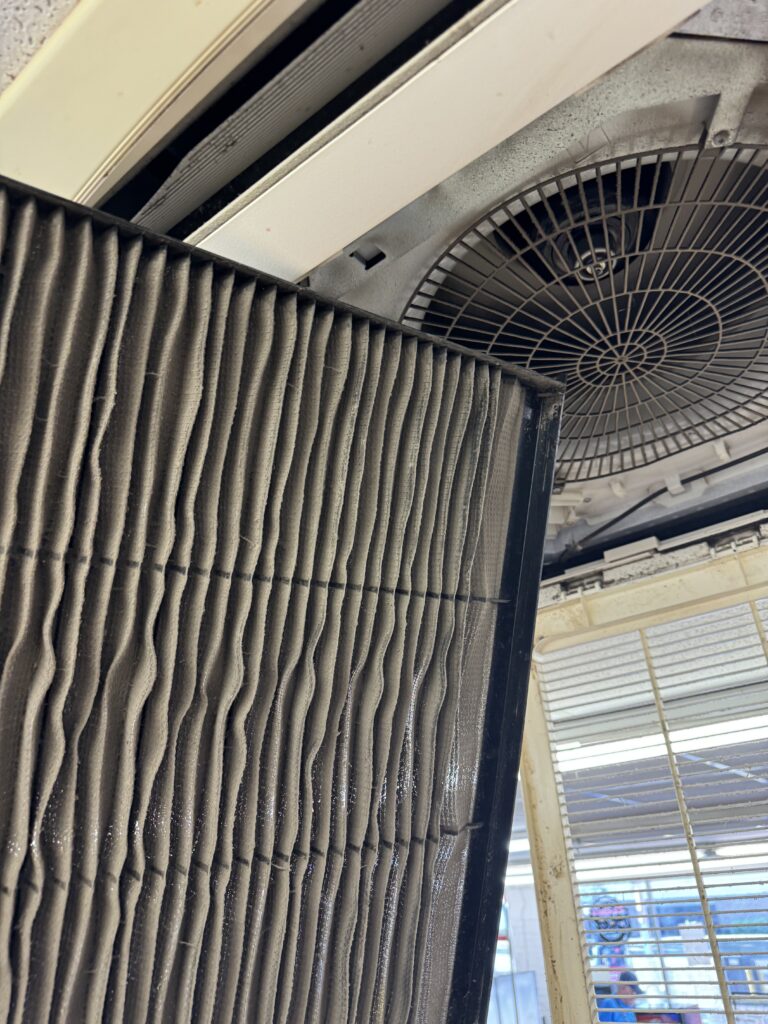
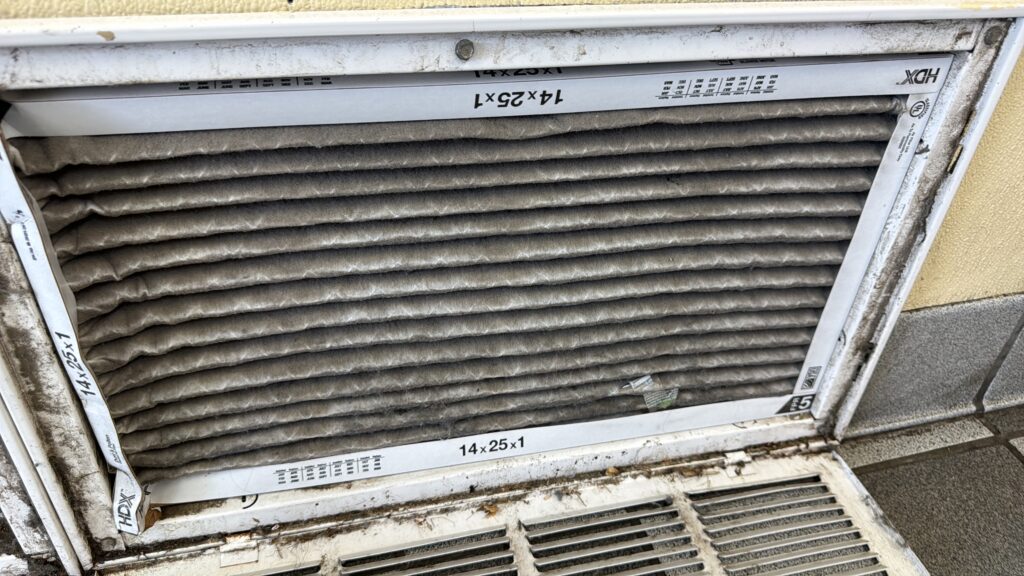
The efficiency of your air conditioning system is directly tied to the free movement of air. In the blistering heat of a Longview summer, your HVAC unit works tirelessly to cycle the entire volume of air in your home multiple times every hour. This constant circulation is the only way to remove heat and humidity to maintain a comfortable living environment. The air filter stands as the gatekeeper of this system. Its primary job is to capture dust, pollen, and debris before they can enter the mechanical heart of the unit. However, as the filter does its job, it inevitably becomes clogged with the very particles it is designed to catch. A dirty air filter transforms from a protective device into a barrier. This blockage restricts airflow and forces the entire system to work harder than necessary. The result is a significant increase in energy consumption that shows up directly on your monthly utility bill.
Many homeowners view the air filter as a minor maintenance item that can be ignored for months at a time. This oversight is one of the most expensive mistakes you can make regarding your home comfort system. The cost of a new filter is negligible compared to the cumulative cost of wasted electricity and potential equipment repairs. When air cannot pass through the filter easily, the delicate balance of pressure and temperature within the AC unit is disrupted. The system has to run longer cycles to achieve the same cooling effect. Instead of a quick twenty-minute cycle to cool the house down, the unit might run for forty minutes or even continuously. This extended runtime is the primary driver of high cooling costs. Understanding the physical impact of a dirty filter helps you appreciate why changing it regular is the simplest way to save money.
The Physics of Airflow Restriction
Your air conditioner is essentially a pump that moves heat from inside your home to the outside. This process relies on a specific volume of air passing over the evaporator coil. The blower motor is designed to push this specific amount of air against a certain amount of resistance. When a filter becomes loaded with dust and pet dander, the resistance increases dramatically. The blower motor must work much harder to pull air through the clogged material. This struggle consumes more electricity. If you have a modern variable-speed motor, it will ramp up its speed to compensate for the blockage, drawing significantly more amperage in the process. If you have an older standard motor, it simply cannot move enough air, and the overall efficiency of the system plummets.
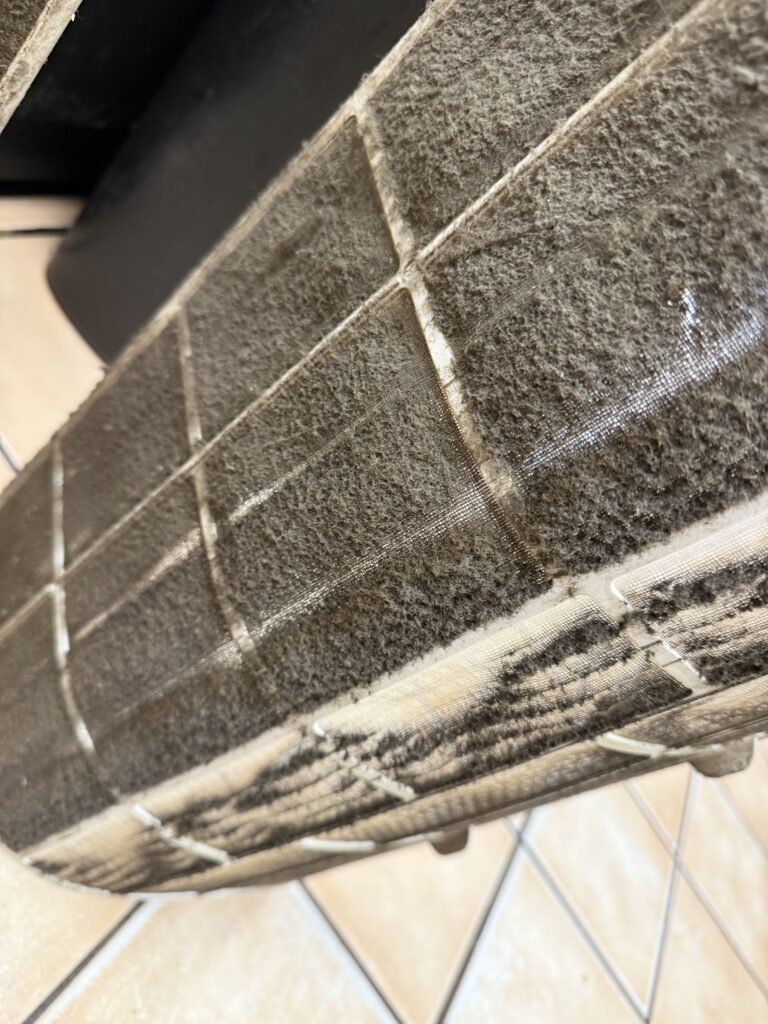
The lack of airflow affects the heat transfer process itself. The evaporator coil needs warm air to blow across it to boil the refrigerant inside. If the airflow is choked off by a dirty filter, there is not enough heat being absorbed by the refrigerant. The air coming out of the vents might feel colder than usual, but the volume is so low that it cannot cool the room effectively. The thermostat, located on the wall, waits for the room temperature to drop. Since the system is moving less air, it takes much longer to satisfy the thermostat. Every minute the system runs is a minute you are paying for electricity. Over a month, these extra minutes add up to hours of unnecessary operation.
The strain on the blower motor creates heat of its own. Motors are cooled by the air flowing over them. When that airflow is restricted, the motor runs hotter. This heat is added to the air stream, which is counterproductive to the goal of cooling the home. In severe cases, the motor can overheat and shut down on a thermal limit switch. Repeated overheating shortens the life of the motor windings. You end up paying more for electricity to run a motor that is slowly killing itself because of a ten-dollar filter. This cycle of inefficiency is invisible to the homeowner until the bill arrives or the silence of a broken system fills the house.
The Danger of Frozen Evaporator Coils
One of the most dramatic consequences of a dirty air filter is a frozen evaporator coil. The evaporator coil is the cold radiator-like part of the system located inside your air handler or furnace. Its job is to absorb heat. When airflow is restricted, the coil gets too cold because there is not enough warm air passing over it to keep the temperature balanced. The moisture in the air, which normally condenses and drains away, begins to freeze on the surface of the coil. This ice acts as an even better insulator than the dirt, blocking airflow completely.
A frozen coil creates a snowball effect of failure. As the ice builds up, it completely seals off the air passages between the fins. The air conditioner continues to run, but no air is moving. The compressor outside keeps pumping refrigerant, but it cannot absorb any heat. This is a massive waste of energy. You are paying for the compressor to run, the fan to spin, and the electronics to operate, but you are getting zero cooling in return. The temperature in the house rises while the electric meter spins wildly. The system will run indefinitely until someone notices the problem or a safety switch trips.
Thawing a frozen coil takes time. You have to turn the system off and let the ice melt naturally, which can take several hours or even a full day. During this time, you have no cooling. Once the ice melts, you are left with the mess of water potentially overflowing the drain pan. The water damage can be significant if the safety float switch fails. Furthermore, the act of freezing and thawing puts stress on the copper tubing and aluminum fins. The expansion of the ice can crush the fins or cause leaks in the refrigerant lines. A dirty filter is the root cause, but the result is a system that is physically damaged and energetically wasteful.
Impact on Compressor Health and Longevity
The compressor is the heart of the air conditioning system and typically the most expensive component to replace. It is located in the outdoor unit and is responsible for compressing the refrigerant gas. A dirty air filter indoors has a direct and negative impact on this outdoor component. The refrigeration cycle relies on the refrigerant returning to the compressor as a cool gas. When airflow is restricted at the indoor coil, the refrigerant does not vaporize completely. Liquid refrigerant can flood back to the compressor. Compressors are designed to pump gas, not liquid. Trying to compress a liquid can cause severe mechanical damage to the valves and pistons inside the compressor.
Even if liquid slugging does not occur, the overall pressure balance of the system is thrown off. The low side pressure drops significantly when airflow is low. The compressor has to work against this abnormal pressure differential. This makes the motor inside the compressor run hotter and draw more current. The oil that lubricates the compressor can break down under high heat and stress. Once the lubrication fails, the compressor grinds to a halt. Replacing a compressor often costs almost as much as installing a new condensing unit.
Running a compressor under these conditions is like driving a car in the wrong gear while towing a heavy trailer. It might work for a little while, but the engine is screaming and the fuel economy is terrible. The extra electricity required to run a stressed compressor is substantial. You might not notice it day to day, but over a summer season, it represents a large portion of your cooling costs. Protecting the compressor is the single most important reason to maintain proper airflow. A clean filter ensures that the refrigerant pressures stay within the manufacturer’s design parameters, allowing the compressor to run efficiently and coolly.
Ductwork Leaks and Thermal Losses
A dirty filter creates a high-pressure drop in the return duct system. The blower is pulling hard to get air, but the filter is blocking it. This creates a strong negative pressure in the ductwork between the filter and the blower. If your ductwork is not perfectly sealed, this negative pressure will suck air in from wherever it can. In many homes in Longview, ductwork runs through unconditioned spaces like attics or crawlspaces. When the pressure drops, the system starts pulling in hot, dirty air from the attic through tiny cracks and joints in the ductwork.
This infiltration of attic air is a disaster for efficiency. The air in your attic can easily reach 140 degrees in the summer. Your air conditioner is trying to cool your 75-degree living room air, but instead, it is mixing in 140-degree superheated air. The system has to work exponentially harder to cool this hot mixture down. It is equivalent to leaving a window open while the AC is running, except the air coming in is much hotter than the air outside. You are paying to cool the outdoors and heating up your cooling stream at the same time.
Furthermore, this bypass air bypasses the filter entirely. The dust and insulation fibers from the attic are pulled directly into the blower and the evaporator coil. This dirt builds up on the internal components, permanently reducing efficiency even after you change the filter. The layer of dust on the coil acts as an insulator, as discussed before. It creates a permanent restriction that requires professional cleaning to remove. The increased suction caused by a dirty filter exacerbates every small leak in your duct system, turning minor gaps into major energy wasters.
Short Cycling and Temperature Swings
In some modern systems with advanced safety sensors, a dirty filter can cause short cycling. This phenomenon occurs when the unit turns on, runs for a few minutes, and then abruptly shuts off before the target temperature is reached. This usually happens because a limit switch detects that the system is overheating or freezing up. The control board shuts the unit down to protect it. After a few minutes, the safety switch resets, and the unit tries to start again. This cycle repeats over and over.
The startup phase of an air conditioner cycle is the most energy-intensive part. The compressor draws a large surge of electricity to get the motor spinning. It takes several minutes of running for the system to reach its peak efficiency. If the unit is short cycling, it spends all its time in the inefficient startup phase and never reaches the efficient steady-state operation. It is like driving in stop-and-go traffic versus cruising on the highway. You use far more gas stopping and starting than you do maintaining a constant speed.
Short cycling also leads to poor comfort and humidity control. The system does not run long enough to pull moisture out of the air. The house feels sticky and clammy. The temperature fluctuates wildly as the unit struggles to maintain a consistent output. You might find yourself lowering the thermostat even more in an attempt to get comfortable, which only burns more energy. The wear and tear on the capacitors and contactors from thousands of extra starts and stops leads to electrical failures. A clean filter allows the system to run long, steady cycles that effectively remove humidity and maintain an even temperature at the lowest possible cost.
The connection between a clean air filter and a low electric bill is undeniable. It is a simple relationship of cause and effect. A dirty filter chokes the system, forcing it to work harder, run longer, and consume more power to do the same amount of work. The cost of neglect goes beyond just the monthly utility payment. It extends to the lifespan of your expensive equipment. The strain placed on blower motors and compressors by restricted airflow leads to premature failures and costly repairs. In the extreme climate of Longview, where your AC is your lifeline, you cannot afford to handicap your system.
RC’s A/C Reliable Climate urges every homeowner to take filter maintenance seriously. It is the single easiest task you can perform to protect your investment and your wallet. Checking your filter once a month and replacing it when it looks dirty ensures that your system can breathe freely. It keeps the internal components clean, the airflow strong, and the energy consumption low. Do not let a ten-dollar piece of fiberglass stand between you and efficient, reliable comfort. Make filter replacement a priority and enjoy the peace of mind that comes with a healthy, optimized cooling system.