
How to Keep a Restaurant Kitchen Cool During Peak Hours
Running a restaurant kitchen during the lunch and dinner rush feels like working inside an oven, and that comparison is closer to reality than most owners realize. Cooking equipment pumps out massive heat loads, dishwashers add steam, and the human bodies moving through the line generate even more warmth. When temperatures climb past comfortable levels, food quality suffers, staff productivity drops, and your refrigeration equipment works overtime to compensate. Texas summers make this problem worse, especially in Longview where humidity stacks onto the heat index. A cool kitchen is not a luxury for your team; it directly impacts food safety, employee retention, and your monthly utility bills. Smart restaurant owners treat kitchen climate control as a core operational investment, not an afterthought. The good news is that targeted upgrades and routine maintenance can transform a sweltering kitchen into a productive workspace.
Why Restaurant Kitchen Cooling Becomes Critical During Peak Hours
Peak service hours create the perfect storm for kitchen heat problems because every heat source runs simultaneously. Grills, fryers, ovens, salamanders, and steam tables all hit maximum output right when ticket counts spike. The walk-in cooler doors swing open constantly as line cooks grab ingredients, dumping cold air and pulling warm humid air into the box. Hot plates leave the pass under heat lamps, and the dish pit churns out clouds of steam from the high-temp sanitizer. Add ten to fifteen staff members working at full speed, and the BTU load inside a small kitchen can easily exceed 100,000 BTUs per hour. Standard residential cooling logic does not apply here, and undersized systems will simply give up during the rush.
The Heat Load Problem in Restaurant Kitchen Cooling
Commercial kitchens generate heat in ways that residential spaces never approach, and understanding the math helps explain why so many restaurants struggle to stay cool. A standard six-burner range with an oven below produces roughly 30,000 BTUs of radiant heat per hour during active cooking, and that figure climbs higher with char-broilers and flat tops. Fryers add another 14,000 to 18,000 BTUs each, and most restaurants run multiple units side by side. The cumulative load from a typical line can push past 200,000 BTUs during peak service, which is enough heat to overwhelm a poorly designed cooling system within minutes. When your air conditioning cannot keep pace, ambient temperatures climb steadily through the dinner rush.
Humidity compounds the heat problem because moisture in the air carries far more thermal energy than dry air at the same temperature. Steam from pasta water, dishwasher cycles, and stockpots saturates the kitchen atmosphere, making 85 degrees feel like 95. High humidity also forces your refrigeration units to work harder, since walk-in coolers must remove moisture along with heat every time the door opens. The compressors run longer cycles, evaporator coils ice up faster, and energy bills climb noticeably. Proper ventilation paired with adequate cooling tonnage solves this, but the two systems must be balanced correctly to work together.
The human cost of an overheated kitchen often gets overlooked until staff turnover spikes. Cooks working a hot line during a Texas summer can lose multiple pounds of water weight per shift, and dehydration leads to mistakes, slower ticket times, and serious safety hazards near open flames and sharp tools. OSHA tracks heat-related workplace incidents closely, and commercial kitchens consistently rank among the most dangerous environments for heat stress. Beyond compliance concerns, your best line cooks will not stay at a restaurant where they feel physically punished every shift. Investing in proper cooling is genuinely investing in your team and your retention rates.
Common Restaurant Kitchen Cooling System Failures
The most frequent cooling failure in restaurants is simple undersizing, where the original HVAC system was specified for the building before kitchen equipment was installed. A 4-ton rooftop unit might handle the dining room perfectly while leaving the kitchen 15 degrees warmer than the rest of the building. Many strip mall buildouts inherit residential-grade equipment that was never designed for commercial cooking loads, and the system runs constantly without ever reaching setpoint. You can spot this problem when the thermostat reads 78 degrees but the kitchen feels like 90. Replacing an undersized system with properly calculated tonnage is often the single biggest improvement a restaurant can make.
Dirty condenser coils and clogged filters create the second wave of common failures, and these problems accelerate dramatically in kitchen environments. Grease aerosols from cooking surfaces drift into return air streams, coating evaporator coils with sticky residue that blocks airflow and traps additional debris. Rooftop condenser coils collect cottonwood seeds, dust, and exhaust grease from kitchen hoods, choking off the heat rejection that keeps the system running efficiently. A coil that looks only slightly dirty can reduce cooling capacity by 30 percent or more, and the compressor compensates by running longer cycles at higher pressures. This stresses every component in the system and shortens equipment lifespan significantly.
Refrigerant issues round out the top failure list, with leaks being especially common in older restaurant systems. Vibration from rooftop units, expansion and contraction cycles, and corrosion from coastal humidity all contribute to slow refrigerant loss over time. When charge drops below specification, cooling capacity falls off a cliff, and the system can no longer pull humidity from the air effectively. You might notice the kitchen staying sticky and warm even though the unit runs constantly. Need commercial HVAC service for your restaurant? Click here for our air conditioning service. Our team handles diagnostic work, refrigerant recovery, and leak repair on commercial systems throughout the Longview area.
Smart Restaurant Kitchen Cooling Strategies That Work
Zoning your cooling system separates the kitchen from the dining room, giving each space independent temperature control and dramatically improving comfort in both areas. A dedicated kitchen unit can run aggressively during service without freezing out the guests eating fifteen feet away, and it can cycle down during prep hours when heat loads are lower. Proper zoning also lets you target supply air directly where cooks work, rather than dumping cold air uselessly into corners or against hot equipment. Many older restaurants run a single oversized unit that cools the whole building, which creates uneven temperatures and wastes enormous amounts of energy. Adding a second system or splitting the existing one with dampers usually pays back the investment within two to three years.
Make-up air units paired with kitchen exhaust hoods solve the negative pressure problem that plagues so many restaurants during peak hours. Exhaust hoods pull thousands of cubic feet of air out of the building every minute, and that air has to be replaced from somewhere. Without dedicated make-up air, the building pulls hot outdoor air through doors, windows, and gaps in the envelope, fighting your cooling system every step of the way. A properly sized make-up air unit pre-conditions the replacement air, dropping the temperature and dehumidifying before it enters the kitchen. This single upgrade transforms many struggling kitchens because it stops the constant battle against infiltration.
Mini-split systems offer a flexible cooling solution for kitchens that cannot accommodate full ductwork modifications. Wall-mounted or ceiling-cassette units can target specific hot spots like the line area or dish pit without requiring major construction work. They run on inverter compressors that modulate output based on demand, which means they hold setpoint precisely without the temperature swings of older single-stage equipment. Mini-splits also work well as supplemental cooling alongside an existing rooftop unit, taking the edge off during peak hours when the main system cannot keep up. Click here for our mini-split service to learn more about adding zoned cooling to your restaurant.
How Refrigeration Equipment Affects Restaurant Kitchen Cooling
Your refrigeration equipment and your air conditioning work together more than most restaurant owners realize, and problems with one system create cascading issues with the other. Walk-in coolers, walk-in freezers, prep tables, and reach-in refrigerators all reject heat into the kitchen environment from their condenser units, adding to the ambient cooling load. When refrigeration runs efficiently, this added heat stays manageable, but failing equipment can dump enormous amounts of waste heat into an already hot space. Maintaining your refrigeration in peak condition directly reduces the burden on your HVAC system, which means lower energy bills and better kitchen comfort. Smart restaurant operators schedule both systems on coordinated maintenance plans because the problems overlap so significantly.
Walk-In Cooler Performance and Restaurant Kitchen Cooling
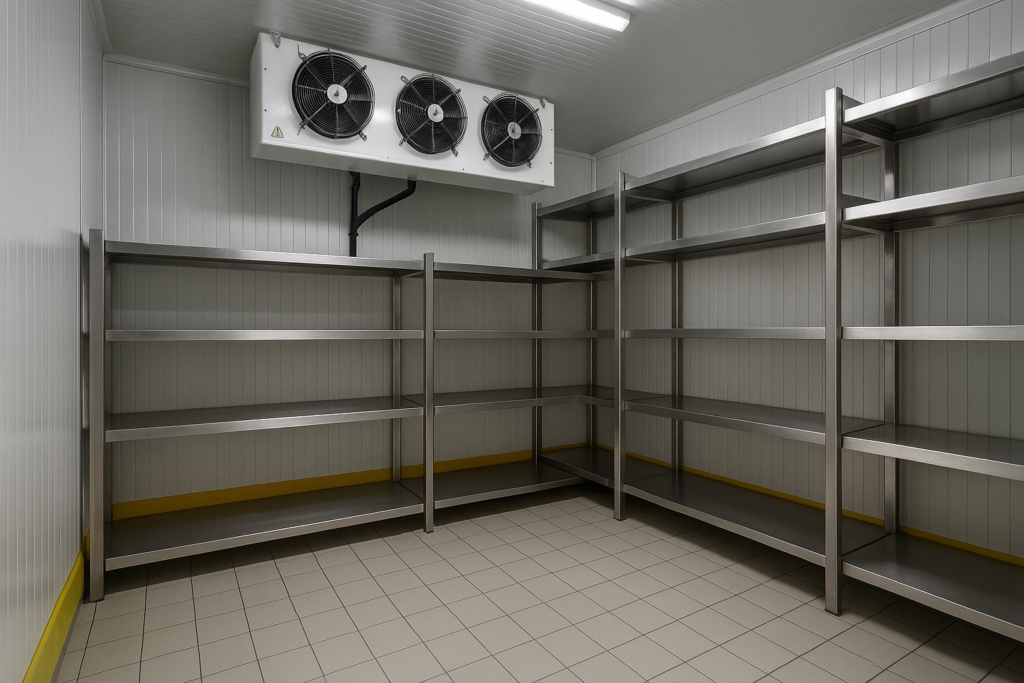
A healthy walk-in cooler should hold 35 to 38 degrees Fahrenheit consistently, with the compressor cycling on and off rather than running continuously. When the unit struggles to maintain temperature, the condenser runs nonstop, ejecting heat into the kitchen space behind the cooler or onto the roof above it. This added heat load forces your air conditioning to work harder, and the cycle compounds itself throughout the day. Door gaskets are the most common culprit behind cooler performance problems, with worn or torn seals allowing humid kitchen air to infiltrate the box constantly. Replacing gaskets is inexpensive and pays back quickly through reduced runtime and better temperature stability.
Evaporator coil maintenance inside the walk-in directly affects how much heat the system can move, and a frozen or dirty coil destroys efficiency. Frost buildup acts as insulation between the air and the refrigerant, blocking the heat transfer that the system depends on. Defrost cycles should clear the coil completely between runs, but failed defrost heaters or stuck timers leave ice accumulating until airflow drops to nothing. You might notice product near the door staying cold while items in the back warm up, which signals an airflow problem rather than a refrigerant problem. Regular coil inspection catches these issues before they snowball into compressor failures.
The condensing unit outside or on the roof needs equal attention, because dirty condenser coils kill capacity faster than any other single problem. Grease, dust, and Texas pollen pack into the fins and block the airflow that rejects heat from the refrigerant. A clogged condenser forces the compressor to run at higher pressures and temperatures, which shortens its lifespan and drives up energy consumption. Click here for our walk-in cooler service to schedule professional cleaning and maintenance. Quarterly condenser cleaning is realistic for most Longview restaurants given the dust and pollen loads we deal with locally.
Prep Table Refrigeration and Restaurant Kitchen Cooling
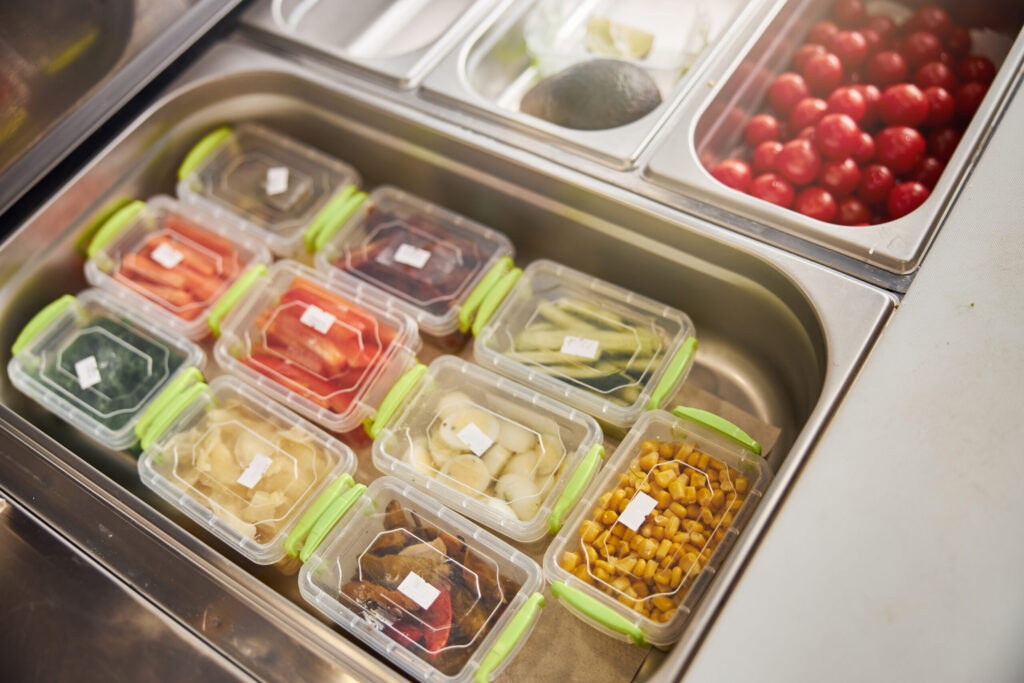
Prep table refrigeration sits in the hottest zone of most kitchens, surrounded by cooking equipment that radiates heat directly onto the unit. These tables have to maintain food-safe temperatures in pans of cold ingredients while ambient air around them might exceed 90 degrees during service. The compressors run nearly continuously under these conditions, and any compromise in the system causes food safety violations and product loss. Texas health code requires cold holding at 41 degrees or below, and a failing prep table can put thousands of dollars of inventory at risk within hours. Daily temperature monitoring catches problems early, but the underlying equipment health determines whether the unit can hold temperature at all.
Air curtain integrity makes a huge difference in prep table performance, because most units rely on a continuous flow of cold air across the food wells to maintain temperature. Bent or missing rail covers, overstuffed pans, and improperly sized inserts all disrupt this airflow and let warm kitchen air mix with the cold zone. Cooks who pile ingredients above the fill line essentially block the cold air curtain and force the unit to chase a losing battle all shift. Training staff to respect the fill lines and rotate product properly costs nothing and prevents most prep table temperature failures. Equipment design only works when the operators use it correctly.
Condenser placement on prep tables creates unique challenges because the condensing unit usually sits directly under the cold storage compartment. Cooking grease, food debris, and dust pull into the condenser intake constantly, choking airflow within weeks if not maintained. The compressor compartment heats up dramatically when the coil clogs, and high head pressures lead to compressor failure faster than any other component issue. Click here for our prep table refrigeration service for professional cleaning and diagnostic work. Most prep tables benefit from monthly condenser cleaning during heavy use seasons in our climate.
Walk-In Freezer Operation and Restaurant Kitchen Cooling
Walk-in freezers operate at much lower temperatures than coolers, which means they reject significantly more heat into your kitchen environment. A freezer holding zero degrees Fahrenheit while the kitchen runs at 85 degrees has to overcome an 85-degree temperature differential continuously, and the compressor works harder than a cooler unit in every way. When the system runs healthy, this load stays predictable and manageable for your HVAC sizing. When the freezer struggles, the added heat output can overwhelm cooling systems that were sized correctly for normal operation. Freezer health directly impacts kitchen comfort during peak hours in ways that surprise most restaurant owners.
Defrost cycles matter more in freezers than in coolers because frost accumulation happens faster at lower temperatures and humid East Texas conditions accelerate the process. A properly functioning defrost system clears the evaporator coil completely between cycles, restoring full airflow and heat transfer capacity. Failed defrost components allow ice to build up on the coil until airflow drops dramatically and the compressor runs continuously trying to maintain temperature. You might find ice forming on the floor near the evaporator or product partially thawing in spots, both of which signal defrost problems. Annual defrost inspection prevents most of these failures and protects expensive frozen inventory.
Door seal integrity becomes even more critical on freezers than coolers because the temperature differential pulls humid air into the box every time someone opens it. Worn gaskets allow constant air infiltration even when the door is closed, and the moisture freezes onto the coil, walls, and floor of the unit. Heavy ice buildup on freezer walls is almost always a gasket problem, and the fix usually costs less than two hundred dollars in parts. Click here for our walk-in freezer service for professional inspection and gasket replacement. Catching seal problems early protects your inventory, your energy bills, and your kitchen comfort all at once.
Why You Need Professional Restaurant Cooling Service in Longview
Restaurant cooling involves so many interconnected systems that troubleshooting requires expertise across HVAC, refrigeration, ventilation, and electrical specialties. Generic handyman services or residential HVAC companies often miss the underlying problems because they do not understand how commercial kitchen environments stress equipment. R.C.s A/C Reliable Climate specializes in the combined demands of restaurant operations throughout Longview and the surrounding East Texas communities. Our technicians work on cooking-line cooling systems, walk-in refrigeration, and prep equipment regularly, which means we recognize the patterns that lead to peak-hour failures. Preventing those failures protects your revenue, your reputation, and your staff retention.
Expert Restaurant Cooling Service You Can Trust
Our team holds Texas HVAC License #TACLA129043C and carries full insurance for commercial work, which matters when technicians work on rooftop equipment and refrigeration systems containing pressurized refrigerants. We have built our reputation in Longview on honest recommendations and clear communication, with no unnecessary upsells or vague invoices. When we diagnose a problem, we explain exactly what is happening and why, and we present repair options with realistic costs and timelines. This transparency lets restaurant owners make informed decisions about their equipment investments. Every job leaves the customer with a clear understanding of what was done and what to expect next.
Emergency response matters enormously in the restaurant business, because a failed cooler at 6 PM on a Friday means lost product and lost revenue within hours. We offer 24/7 emergency HVAC and refrigeration service throughout our Longview service area, with technicians ready to dispatch when equipment fails during peak hours. Our trucks carry common refrigeration and HVAC components, which means many repairs happen on the first visit rather than requiring follow-up trips. Fast resolution protects your inventory and gets your operation back to full capacity quickly. Restaurant owners cannot afford to wait days for service during a Texas summer.
We back our work with a 10-year parts warranty and 1-year labor warranty on installations, which reflects the confidence we have in our workmanship and the equipment we install. Free estimates on new HVAC installations let you compare options without commitment, and our financing programs make larger upgrades manageable for growing restaurants. We service everything from small cafes to full-service restaurants and commercial kitchens, with experience across all major equipment brands. Longview restaurant owners have trusted us for years because we deliver consistent results.
Comprehensive Restaurant Cooling Service Across East Texas
Our service area covers Longview and the surrounding communities, including Marshall, Kilgore, Gilmer, White Oak, Hallsville, Lakeport, Liberty City, and Gladewater. Restaurant owners throughout these markets count on us for both scheduled maintenance and emergency response, and we know the local building stock well. Many East Texas restaurants operate in older buildings with HVAC and refrigeration systems that were undersized from day one, and we specialize in solving these chronic capacity problems. Our familiarity with regional climate patterns also helps us anticipate seasonal stress points before they cause failures.
Preventive maintenance plans take the surprise out of restaurant equipment ownership, with scheduled visits that catch problems before they become emergencies. We tailor maintenance schedules to each restaurant’s equipment mix, service volume, and operating hours, focusing attention where it actually matters. Most restaurants benefit from quarterly walk-in service and twice-yearly HVAC tune-ups, with additional attention to prep tables and reach-ins during heavy use seasons. This proactive approach typically reduces emergency calls by 70 percent or more. Restaurant owners on maintenance plans sleep better knowing their equipment gets professional attention regularly.
System upgrades and equipment replacements often pay back faster than restaurant owners expect, especially when old equipment has been limping along inefficiently for years. We help operators evaluate when repair makes sense versus when replacement saves money over the long term. Modern commercial HVAC and refrigeration equipment runs dramatically more efficiently than systems from even ten years ago, and the energy savings often cover most of the new equipment cost over its lifespan. We walk through the math with each customer and let the numbers guide the decision.
Why Choose R.C.s A/C Reliable Climate for Restaurant Cooling Service
R.C.s A/C Reliable Climate is locally owned and operated right here in Longview, which means we live in the same community as our customers and treat every job accordingly. Our reputation depends on consistent five-star service, and we work hard to earn that rating on every call we run. Restaurant owners need contractors they can trust, and we build long-term relationships rather than chasing one-time transactions. When you call us, you reach a local team that knows your building, your equipment, and your history.
We focus heavily on commercial and restaurant work because the technical demands match our team’s expertise and training. Refrigeration systems, commercial HVAC, and ventilation equipment all require specialized knowledge that general residential contractors simply do not develop. Our technicians complete ongoing training on new equipment, refrigerant regulations, and energy efficiency technologies, which keeps us ahead of evolving industry standards. This depth of expertise translates directly into faster diagnostics, accurate repairs, and longer equipment life for our customers.
Call us at (903) 316-6855 or email info@iwantclimate.com to schedule service or discuss your restaurant’s cooling needs. We provide free estimates on new installations and clear pricing on repair work, with no pressure and no surprises. Visit us at 3 Lewis Drive in Longview, or request service directly through our website. Your kitchen deserves a cooling system that performs during peak hours, and we are here to make that happen.