
Questions Homeowners Should Ask Before Scheduling HVAC Service
Inviting a service technician into your home is an act of trust that carries significant weight. When your air conditioner fails during the peak of a Longview summer, the urgency to get it fixed often overshadows the need for due diligence. The heat builds up quickly in your home and creates a sense of desperation that can lead to hasty decisions. You want the cool air flowing again immediately. However, rushing to hire the first company that appears in a search result can lead to frustration, poor workmanship, and unexpected costs down the road. The HVAC industry is filled with varying levels of skill and integrity. Distinguishing between a reliable professional and a fly-by-night operator requires asking the right questions before you ever book the appointment.
Homeowners often feel intimidated by the technical nature of heating and cooling systems. They assume that they do not know enough to question the experts. This mindset leaves you vulnerable to upselling and incompetent repairs. You do not need to be a certified mechanic to interview a prospective contractor. The questions you need to ask are about business practices, qualifications, and protections for the consumer. A reputable company will welcome these inquiries because they have nothing to hide. They understand that an informed customer is a good customer. Taking a few minutes to vet a service provider over the phone can save you thousands of dollars and ensure that your home remains comfortable and safe for years to come.
Are You Licensed and Insured in Texas?
The most fundamental question involves the legal standing of the business. The state of Texas strictly regulates the HVAC industry through the Texas Department of Licensing and Regulation. Anyone performing work on air conditioning or heating equipment for compensation must hold a valid license. This license proves that the contractor has met specific experience requirements and passed rigorous exams regarding code and safety. When you ask this question, do not just accept a simple yes. Ask for the license number. A legitimate contractor will have their TACLA number displayed on their trucks, their website, and their business cards. They will provide it willingly. Hiring an unlicensed individual removes the oversight that protects you as a consumer. If they do poor work or disappear with your money, you have very little recourse.
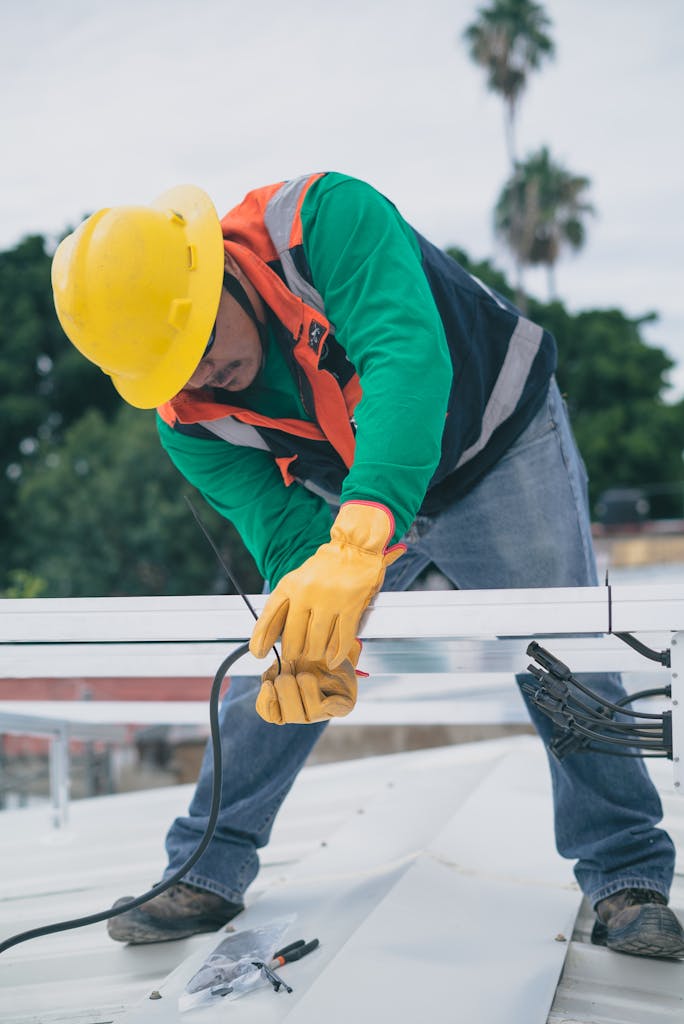
Insurance is equally critical. You need to know that the company carries both general liability insurance and workers’ compensation. HVAC work involves heavy equipment, high voltage electricity, and flammable gases. Accidents can happen even with the most careful technicians. If a technician slips on a ladder and falls through your ceiling, liability insurance pays for the repairs to your home. If a technician gets injured while working on your property, workers’ compensation ensures their medical bills are covered by their employer. Without this coverage, you could be held personally liable for the injury or the damage. You should ask to see proof of insurance if you have any doubts. A company that operates without insurance is cutting corners that put your financial security at risk.
How Is Your Pricing Structured?
Financial surprises are the primary source of conflict between homeowners and service providers. Before you schedule a technician to come to your house, you need to understand how the bill will be calculated. Ask specifically if they charge a flat rate for the diagnostic visit or if it is applied to the repair. Many companies charge a trip fee just to get the truck to your driveway. You need to know this amount upfront. Some companies waive this fee if you proceed with the recommended repairs, while others do not. Clarifying this policy prevents the awkward moment when you are handed an invoice for a service call even though no work was done.
You should also inquire about how they price the repairs themselves. Some contractors bill by the hour, while others use flat-rate book pricing. Hourly billing can be unpredictable. If the technician is slow or inexperienced, you pay more for the same job. Flat-rate pricing means the company charges a set price for a specific task, regardless of how long it takes. This model provides certainty. You know exactly what a compressor replacement or a capacitor swap costs before the work begins. Ask if they provide written estimates before performing any work. A reputable technician will diagnose the problem, explain the solution, and present the total cost for your approval. You should never allow work to proceed on an open-ended verbal agreement.
Transparency in pricing extends to payment methods and financing. If you are facing a major repair or a system replacement, ask about financing options. Honest companies understand that HVAC failures are often unplanned expenses. They usually have partnerships with financial institutions to offer payment plans. Asking these questions early helps you determine if the company fits within your budget and if they respect your right to know where your money is going.
What is Your Experience with My Specific Equipment?
HVAC systems are not one size fits all. There are vast differences between a gas furnace, a heat pump, a geothermal system, and a ductless mini split. Each technology requires specific training and tools. You should ask the contractor about their experience with the specific type of equipment installed in your home. If you have a high efficiency heat pump, you want a technician who understands inverter technology and communicating control boards. A technician who primarily works on old gas furnaces might misdiagnose the complex electronics of a modern heat pump. Asking this question ensures that the person arriving at your door is qualified to fix your specific problem.
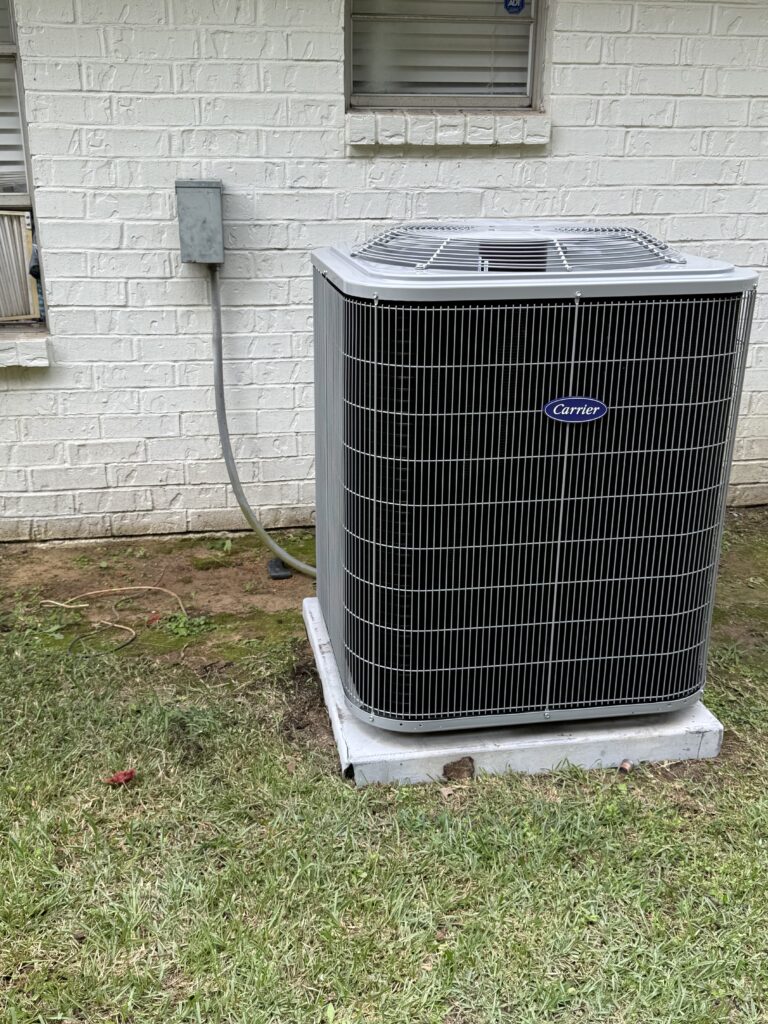
Brand authorization is another layer to consider. While most technicians can work on any brand, some manufacturers require specific certifications for warranty work. If your system is still under the manufacturer’s warranty, you need to ensure that the contractor is authorized to perform the repairs. Using an unauthorized service provider can sometimes void the warranty or make it difficult to get the parts covered. Ask if they have access to the supply houses that carry parts for your specific brand. A company that stocks common parts for your brand on their truck can fix the issue in one visit. A company that has to order every single part will leave you waiting in the heat for days.
The age of your system also matters. Older systems often use R-22 refrigerant, which is phased out and extremely expensive. Newer systems use R-410A or other modern refrigerants. You need to know if the contractor is equipped to handle the specific refrigerant your system requires. Ask them how they handle older units. Do they try to repair them, or is their policy to push for replacement immediately? Understanding their philosophy on repair versus replace helps you gauge if their recommendations will align with your goals for the equipment.
Who Will Be Performing the Service?
When you schedule service, you are inviting a stranger into your private sanctuary. It is reasonable and smart to ask about the person who will be entering your home. Ask the company about their hiring practices. Do they perform background checks and drug screenings on their employees? A company that values the safety and peace of mind of their customers will have rigorous vetting processes in place. They want you to feel comfortable opening the door. Knowing that the technician has been screened allows you to focus on the repair rather than worrying about the security of your family and possessions.
Training is another component of the technician’s profile. The HVAC industry changes rapidly. New technologies and efficiency standards are introduced every year. Ask if the company provides ongoing training for their staff. A technician who has not taken a class in ten years may not be up to speed on the latest diagnostic codes or installation techniques. You want a professional who is continuously learning and improving their craft. Ask if the technician is NATE certified or holds other industry recognitions. These certifications indicate a higher level of dedication and expertise.
Appearance and professionalism also tell a story. Ask if the technicians wear uniforms and drive marked vehicles. A company that invests in professional branding usually invests in professional behavior. Uniforms identify the technician clearly so you know exactly who is at your door. Marked trucks indicate an established business with physical assets. It distinguishes the professional service provider from the side job handyman. You have the right to expect a courteous, clean, and identifiable professional to handle your expensive equipment.
What Warranties Do You Offer on Repairs?
A repair is only as good as the guarantee that stands behind it. Before you authorize any work, you must ask about the warranty on both parts and labor. The manufacturer of the replacement part usually provides a warranty on the component itself. However, this does not cover the labor to install it if it fails again. You need to ask the contractor what their specific labor warranty is. If the new motor they install burns out in three months, will they come back and replace it for free, or will you have to pay for the service call and labor again?
R.C.’s A/C Reliable Climate offers a one year labor warranty on our work because we stand behind our craftsmanship. Not all companies offer this. Some offer only thirty days, while others offer ninety. A short labor warranty suggests a lack of confidence in their own work or the parts they use. You want a partner who owns their results. If a repair fails prematurely, it is often due to an installation error or a misdiagnosis of the underlying cause. The contractor should be willing to correct that mistake at their own expense.
Ask for the warranty terms in writing. It should be clearly stated on the invoice or the estimate. Verbal promises are difficult to enforce months later. Understanding the warranty terms helps you evaluate the value of the quote. A slightly higher price from a contractor with a one year warranty is often a better value than a low price from a contractor with a tail light warranty, meaning the warranty ends when you cannot see his tail lights anymore. Long term reliability is worth paying for.
Do You Use OEM or Aftermarket Parts?
The quality of the parts used in your repair affects the longevity and efficiency of your system. Original Equipment Manufacturer, or OEM, parts are designed and engineered by the maker of your air conditioner. They are built to the exact specifications of the original component. Aftermarket parts are generic versions made by third parties. While aftermarket parts are cheaper, they are often universal parts designed to fit many different machines. They might not have the exact same electrical specs or mounting points as the original.
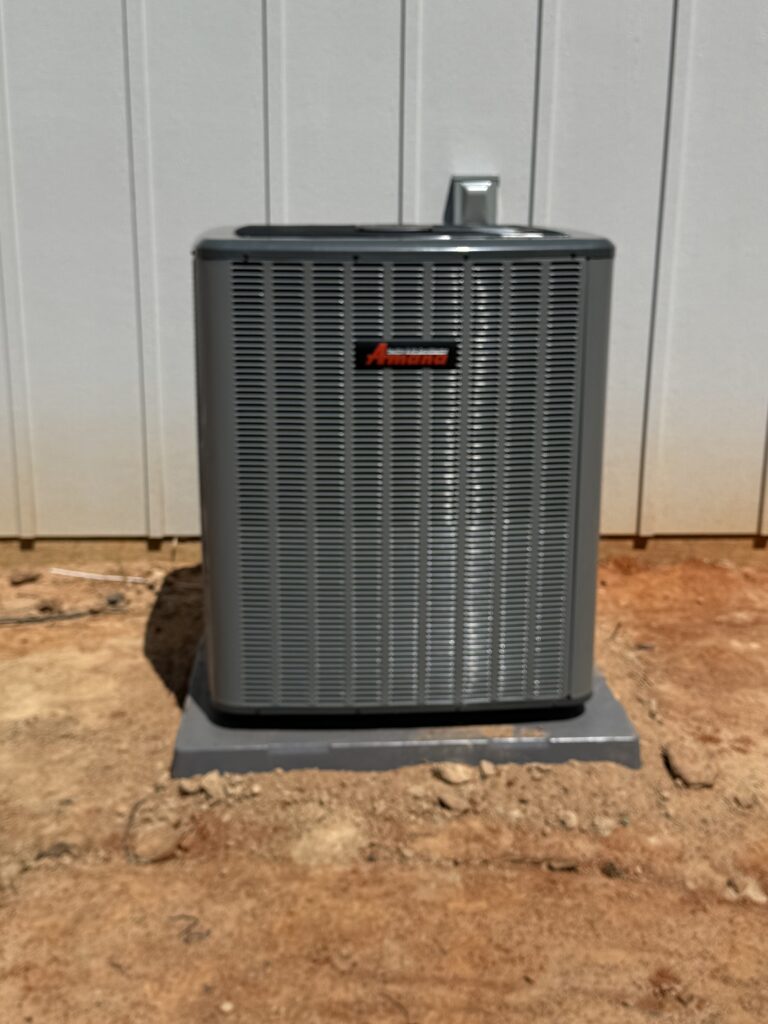
Ask the contractor what their policy is regarding parts. There are situations where an aftermarket part is a perfectly acceptable solution, especially for older units where OEM parts are obsolete. However, for critical components like motors and control boards, OEM is usually superior. You need to know what you are paying for. If a contractor quotes you a price based on a generic part but you assume it is OEM, you are not comparing apples to apples. A dishonest contractor might charge you for the premium part but install the cheap generic one.
Clarifying this upfront establishes expectation. It tells the contractor that you care about quality. If they recommend a generic part, ask them why. Is it a cost saving measure? Is the OEM part unavailable? A good technician will explain the trade offs. They might say that the generic capacitor is just as good and saves you fifty dollars. Or they might say that the universal motor is a temporary fix. Having this conversation ensures that you are involved in the decision making process and that the quality of the repair meets your standards.
Can You Provide References or Reviews?
In the digital age, a company’s reputation is often available at your fingertips. However, asking the contractor directly for references or where to find reviews is still a valid and useful tactic. It gauges their confidence in their customer satisfaction. A company that hesitates to share their past work usually has a reason. Ask them where you can read about other homeowners’ experiences. They should direct you to their Google profile, their Facebook page, or other third party review sites.
When you look at reviews, do not just look at the star rating. Read the content of the reviews. Look for stories that mirror your situation. If you need a full system replacement, look for reviews about installations. If you have an emergency breakdown, look for reviews about response time. Pay attention to how the company responds to negative reviews. No business is perfect. Mistakes happen. A company that responds to complaints with professionalism and a desire to make it right is often more trustworthy than a company with a suspicious number of perfect five star reviews and no comments.
References are particularly important for large jobs like new construction or full system change outs. Ask if they have done similar work in your neighborhood. A local contractor who has served your community for years will have a track record you can verify. RC’s A/C Reliable Climate is proud to serve Longview and the surrounding towns. We built our business on honesty and strong relationships. We are happy to let our reputation speak for itself. Asking for social proof helps you feel confident that you are hiring a team that delivers on its promises.
What Is Your Availability for Emergency Service?
Air conditioners rarely break down at convenient times. They fail on the hottest Saturday of the year or in the middle of a holiday dinner. Before you establish a relationship with a contractor, ask about their emergency service policies. Do they offer 24/7 service? Do they have technicians on call during weekends and holidays? Some companies strictly work nine to five, Monday through Friday. If your AC dies on Friday evening, you could be waiting until Monday morning for a return call.
You also need to ask about the cost of emergency service. most companies charge a premium for after hours or weekend calls. This is standard industry practice to compensate technicians for time away from their families. However, you need to know what that premium is. Is it a flat fee? Is it double the hourly rate? knowing this in advance prevents shock when you get the bill. It also helps you decide if the repair can wait until Monday or if it is worth the extra cost to get it done immediately.
Reliability means being there when the customer needs you. A company that claims to be your partner in home comfort needs to have a plan for emergencies. Even if they are a smaller operation, they should have a system in place to handle urgent requests or a clear communication channel to let you know when they can arrive. Asking about this logistical detail helps you plan for the worst case scenario.
Asking questions is the most powerful tool a homeowner has when navigating the hvac market. It shifts the dynamic from passive acceptance to active participation. You are the owner of the equipment and the payer of the bill. You have the right to understand who is working on your home, how much it will cost, and what guarantees are in place. A reputable contractor will never be annoyed by these questions. They will see them as an opportunity to demonstrate their professionalism and expertise.
RC’s A/C Reliable Climate welcomes the opportunity to answer your questions. We believe that transparency is the foundation of a lasting relationship. We want you to feel completely confident in our licensing, our pricing, and our technical ability. We serve Longview, Hallsville, White Oak, and the surrounding areas with a commitment to honesty and reliable workmanship. The next time you need service, take a moment to interview your potential contractor. If you ask the right questions, we are confident you will choose us to keep your home cool and comfortable.