
What to Do If Your Furnace Stops Working Overnight
Waking up to a freezing cold house is a jarring experience that no homeowner in Longview wants to face. You pull the blankets tighter only to realize the air in the bedroom is biting and uncomfortable. The silence of the house confirms your worst fear because the familiar hum of the furnace is missing. A furnace breakdown in the middle of the night creates an immediate sense of urgency and vulnerability. The temperature inside drops rapidly as the heat escapes through windows and walls. This situation requires a calm and methodical approach to ensure the safety of your family and to determine if the issue is a simple fix or a major mechanical failure. Panic often leads to hasty decisions, but a few logical steps can help you assess the situation correctly before you make an emergency call.
The first priority is always safety. Before you begin turning switches or checking filters, you must ensure that the failure is not related to a dangerous gas leak or an electrical hazard. If you smell the distinct rotten egg odor of natural gas, do not attempt to troubleshoot the furnace. You should evacuate the home immediately and call the gas company or emergency services from a safe distance. However, most overnight breakdowns are less dramatic and are caused by safety sensors doing their job to shut the unit down or by simple oversight. Understanding the sequence of operation for your heating system allows you to act as a detective. You can eliminate the most common culprits one by one. This process often saves you the cost of a service call or at least provides the technician with valuable information when they arrive.
Check Your Thermostat Settings and Power
The thermostat is the command center for your heating system and it is often the source of the problem. It is easy to overlook the simplest explanation when you are cold and tired. The first thing you should do is walk to the thermostat and check the display. If the screen is blank, the issue might be as simple as dead batteries. Many digital thermostats run on battery power and will stop sending signals to the furnace when the voltage drops. Replacing the batteries with fresh ones can instantly resolve the issue and get the heat running again. If the display is on, check the settings carefully. Ensure that the system is set to heat mode and that the fan is set to auto. Sometimes, a programmed schedule can change the set temperature drastically at night, making it feel like the furnace is off when it is actually just following a command to lower the temperature.
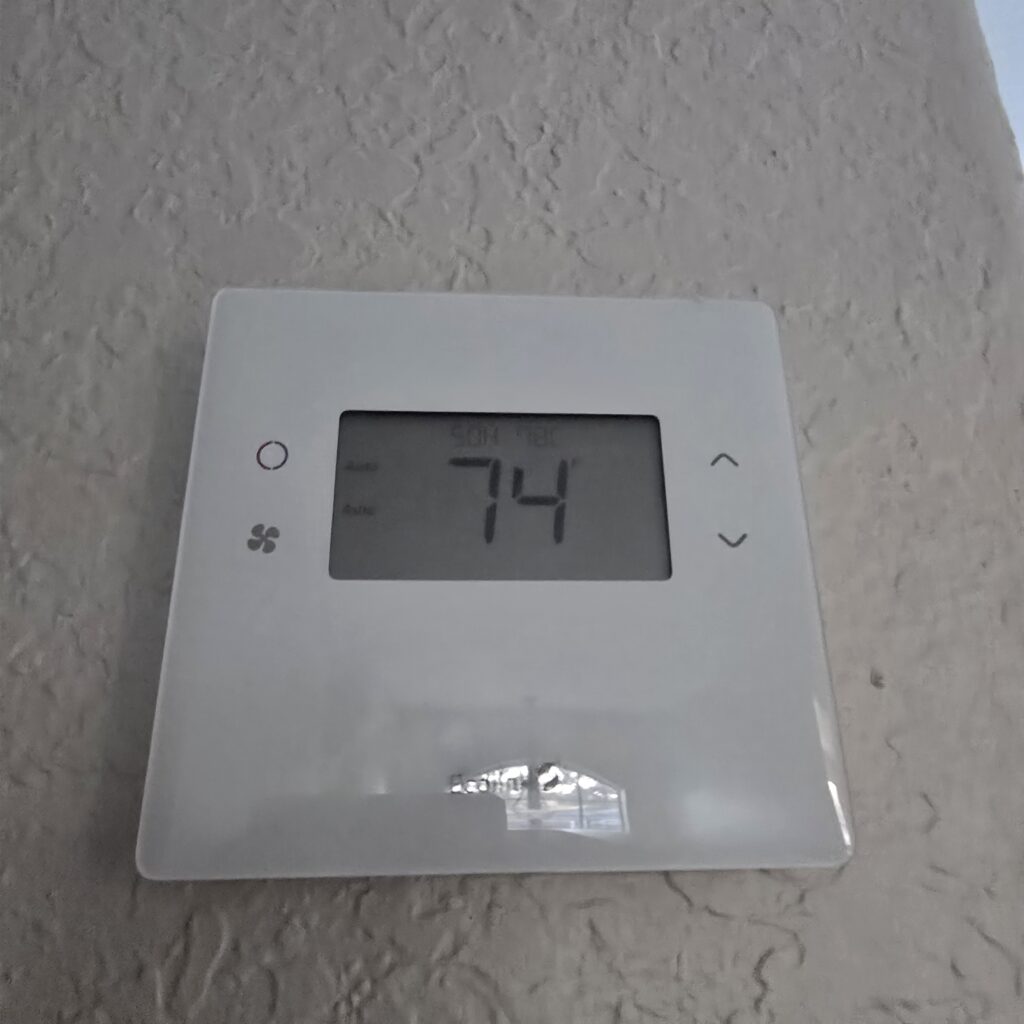
If the thermostat settings appear correct, verify that the set temperature is actually higher than the current room temperature. You should try raising the temperature setting by five degrees to see if the furnace responds. Listen for a click at the thermostat, which indicates that the relay is closing to send a signal. If you hear the click but the furnace does not start, the problem lies elsewhere. If you do not hear a click, the thermostat itself might be faulty or it might have a loose wire connection. In some cases, a smart thermostat might have lost its Wi-Fi connection or experienced a software glitch. Resetting the device or checking the app on your phone can sometimes clear these digital errors.
Power supply issues are another common reason for sudden silence. Your furnace requires electricity to run, even if it is a gas unit. The blower motor, the control board, and the ignition system all need power. Go to your electrical panel and check for a tripped breaker. If the breaker labeled for the furnace is in the middle position or the off position, reset it by flipping it all the way off and then back on. A power surge or a temporary overload could have tripped the safety switch. If the breaker trips again immediately, do not reset it a second time. This indicates a direct short in the system that requires professional attention. You should also check the emergency shutoff switch, which often looks like a standard light switch located near the furnace or in the hallway. It is not uncommon for this switch to be bumped accidentally, cutting power to the unit completely.
Inspect the Air Filter for Blockages
Restricted airflow is a leading cause of furnace failure. The air filter is designed to trap dust and debris, but if it becomes too clogged, it acts as a solid wall. When the furnace cannot pull enough air through the return ducts, the internal temperature of the unit rises rapidly. This is particularly common during the coldest nights when the furnace is running for long cycles. The heat exchanger gets too hot, and the high limit switch trips. This safety mechanism shuts off the burners to prevent the unit from catching fire or cracking the heat exchanger. The blower fan might continue to run to cool the unit down, blowing cold air through the vents, or the entire system might shut down.
Locating and inspecting the filter should be your next step. Pull the filter out and hold it up to a light source. If you cannot see light through the material, the air cannot get through it either. A dirty filter suffocates the system. If you find a clogged filter, replace it immediately with a clean one. If you do not have a spare, it is temporarily safer to run the system without a filter for a few hours than to run it with a blocked one, although you should replace it as soon as the stores open. Once the filter is removed or replaced, you may need to reset the furnace to clear the error code from the limit switch. This is usually done by turning the power off at the breaker for thirty seconds and then turning it back on.
The consequences of ignoring a dirty filter extend beyond just a cold night. Repeated overheating weakens the metal of the heat exchanger. This thermal stress causes expansion and contraction that eventually leads to cracks. A cracked heat exchanger is a serious safety hazard that can allow carbon monoxide to leak into your living space. By checking the filter first, you address the most likely cause of the overheating and protect the long term health of your equipment. It is a simple maintenance task that has a massive impact on reliability.
Verify the Gas Supply and Pilot Light
If your home relies on natural gas or propane, the furnace needs a steady supply of fuel to generate heat. If other gas appliances in your home, such as the stove or water heater, are also not working, you likely have a supply issue. This could be due to a utility outage or a closed valve at the meter. If the other appliances are working fine, the issue is isolated to the furnace. Trace the gas line feeding the furnace and ensure that the shutoff valve is in the open position. The handle should be parallel to the pipe. If it is perpendicular, the gas is turned off.
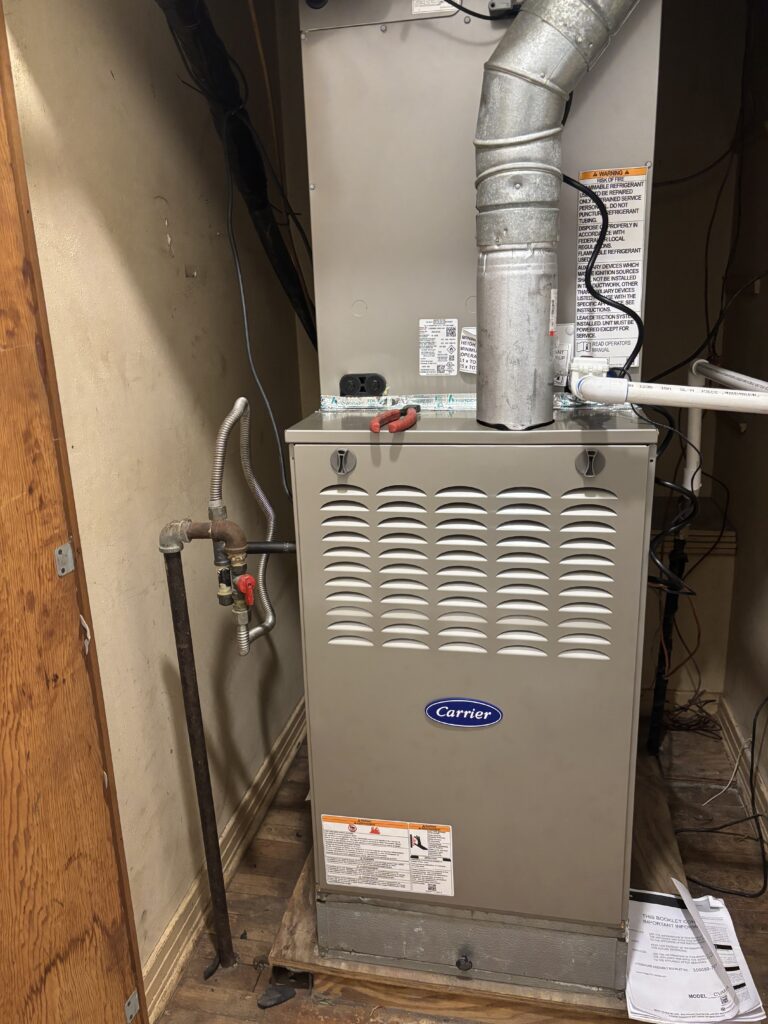
For older furnaces, a pilot light is used to ignite the burners. If a draft blows the pilot light out, the thermocouple will sense the lack of flame and shut off the gas valve as a safety precaution. You can try to relight the pilot following the instructions printed on the inside of the furnace cover. This usually involves holding down a control knob while applying a flame and waiting for the thermocouple to warm up. If the pilot lights but goes out as soon as you release the knob, the thermocouple is likely bad and needs to be replaced.
Modern furnaces use electronic ignition systems instead of standing pilots. These systems use a hot surface igniter, which glows bright orange like a toaster element, or a spark igniter. You can usually see this happening through the sight glass on the front panel of the furnace. If you see the igniter glow but the burners never light, it means the gas valve is not opening or the fuel is not reaching the combustion chamber. If the burners light for a few seconds and then go out immediately, the flame sensor might be dirty. The flame sensor is a metal rod that sits in the fire. Over time, it gets coated in carbon and soot. When it becomes dirty, it cannot detect the flame, and the computer shuts the gas off to prevent an explosion.
Interpret Furnace Error Codes
Modern heating systems are equipped with self diagnostic capabilities. Inside the furnace cabinet, there is a control board that acts as the brain of the unit. When a safety switch trips or a component fails, the control board will usually display an error code. This code is communicated through a small LED light that blinks in a specific pattern. For example, it might blink three times fast and then pause, or it might alternate between short and long flashes. There is often a viewing port on the lower door panel that allows you to see this light without opening the unit.
Interpreting this code can tell you exactly what went wrong. The key to the code is usually printed on the back of the furnace door or in the owner’s manual. A specific flash pattern might indicate a pressure switch failure, while another indicates an open limit circuit. Knowing this information is incredibly helpful. If the code indicates a pressure switch failure, you know to look for blocked flue pipes or a clogged condensate drain. If the code points to an ignition failure, you know the issue is with the gas or spark.
Do not try to reset the unit immediately if you see an error code. Watch the light and write down the pattern. Once you reset the power, the memory of the board is often cleared, and the code will disappear until the fault happens again. Providing this code to your HVAC technician allows them to bring the right parts and diagnose the issue much faster. It turns a generic “no heat” call into a targeted repair mission. If you are comfortable looking at the manual, the code might even reveal a simple fix you can handle yourself, such as clearing a blocked intake pipe.
Managing the Cold While You Wait
If your troubleshooting efforts do not restore the heat, you must prepare to endure the cold until professional help arrives. The temperature inside a well insulated home will drop slowly, but you should take steps to conserve as much heat as possible. Do not open windows or doors unless absolutely necessary. Close the curtains and blinds to add an extra layer of insulation against the cold glass. If you have a fireplace, you can use it to generate warmth, but make sure the damper is open and the chimney is clean. If you do not have a fireplace, confine your family to one room and close the doors to the unused areas of the house. Body heat and limited space heaters can keep a single room comfortable much easier than the entire house.
Using space heaters requires caution. Only use modern heaters with tip over protection and automatic shutoffs. Never leave a space heater unattended or running while you sleep. Keep them away from curtains, bedding, and furniture. It is tempting to use the kitchen oven to heat the house, but this is extremely dangerous. A gas oven produces carbon monoxide and can deplete the oxygen levels in the home. Even an electric oven is not designed for space heating and can create a fire hazard if left on with the door open. Safety must remain your priority even when you are uncomfortable.
Dress in layers to retain body heat. Wool and fleece are excellent insulators. Wear a hat, as a significant amount of heat is lost through the head. If the temperature is critically low and you are worried about pipes freezing, open the cabinet doors under sinks to allow warmer air to circulate around the plumbing. Leave faucets dripping slightly to keep water moving. Moving water is harder to freeze. If the situation becomes unsafe due to extreme cold or health conditions of family members, do not hesitate to stay with a friend, a hotel, or a warming shelter. Your health is more important than staying with the house.
A furnace failure in the middle of the night is a stressful event that tests the resilience of any homeowner. The sudden silence and the creeping cold can induce panic, but a systematic approach to the problem often reveals a solution. By checking the basics like the thermostat, the power supply, and the air filter, you can solve a significant percentage of heating issues without spending a dime. Understanding the role of the pilot light and interpreting error codes gives you deeper insight into the health of your system. These steps empower you to take control of the situation rather than being a passive victim of the weather.
However, there are times when the problem is beyond the scope of a homeowner’s toolkit. When safety switches trip repeatedly or when components fail, professional intervention is the only safe path forward. RC’s A/C Reliable Climate is committed to being your partner in these difficult moments. We understand the urgency of a cold house in Longview. Our team possesses the expertise to diagnose complex failures and the integrity to recommend the right repair. We do not want you to be left in the cold. If your furnace stops working overnight and basic troubleshooting does not solve the problem, contact us to restore warmth and safety to your home efficiently.