
When HVAC Noises Signal a Serious Problem
Your home should be a quiet sanctuary where you can relax without the intrusion of mechanical clamor. In Longview, the heating and cooling system is the heartbeat of the home, running frequently to combat the variable Texas weather. Most homeowners become accustomed to the gentle hum of the compressor and the soft whoosh of air moving through the vents. These sounds fade into the background of daily life, signaling that the environment is being conditioned and comfort is being maintained. However, when the system begins to produce sounds that disrupt this background harmony, it is usually a cry for help. Unexpected noises are rarely random. They are the acoustic signatures of mechanical distress, indicating that a component is loose, worn out, or on the verge of catastrophic failure. Ignoring these auditory warnings can turn a minor repair into a total system breakdown.
The language of a failing HVAC system is distinct. A machine cannot speak, so it communicates through vibration and friction. Understanding what these different sounds mean empowers a homeowner to act swiftly. The difference between a loose screw and a dying compressor might sound similar to the untrained ear, but the financial implications are vastly different. Recognizing the severity of a noise allows you to shut the system down before collateral damage occurs. It transforms you from a passive observer into an active protector of your property. While you do not need to be a technician to spot a problem, knowing when to call RC’s A/C Reliable Climate can save your equipment from an early grave.
Squealing and Screeching from the Motor
High-pitched squealing is one of the most piercing and alarming sounds an air conditioner or furnace can make. This noise is almost always associated with the rotation of the motors or the belts that drive them. In older units, a belt connects the motor to the blower fan. Over time, the rubber of this belt can stretch, dry out, or become brittle due to the heat in the attic. When the motor starts to spin, a loose belt will slip against the metal pulley. This friction creates a loud squeal that often diminishes after the fan gets up to speed. While a slipping belt is a relatively cheap and easy fix, ignoring it leads to the belt snapping. Once the belt breaks, the blower stops moving air, the coil freezes, and the system fails.
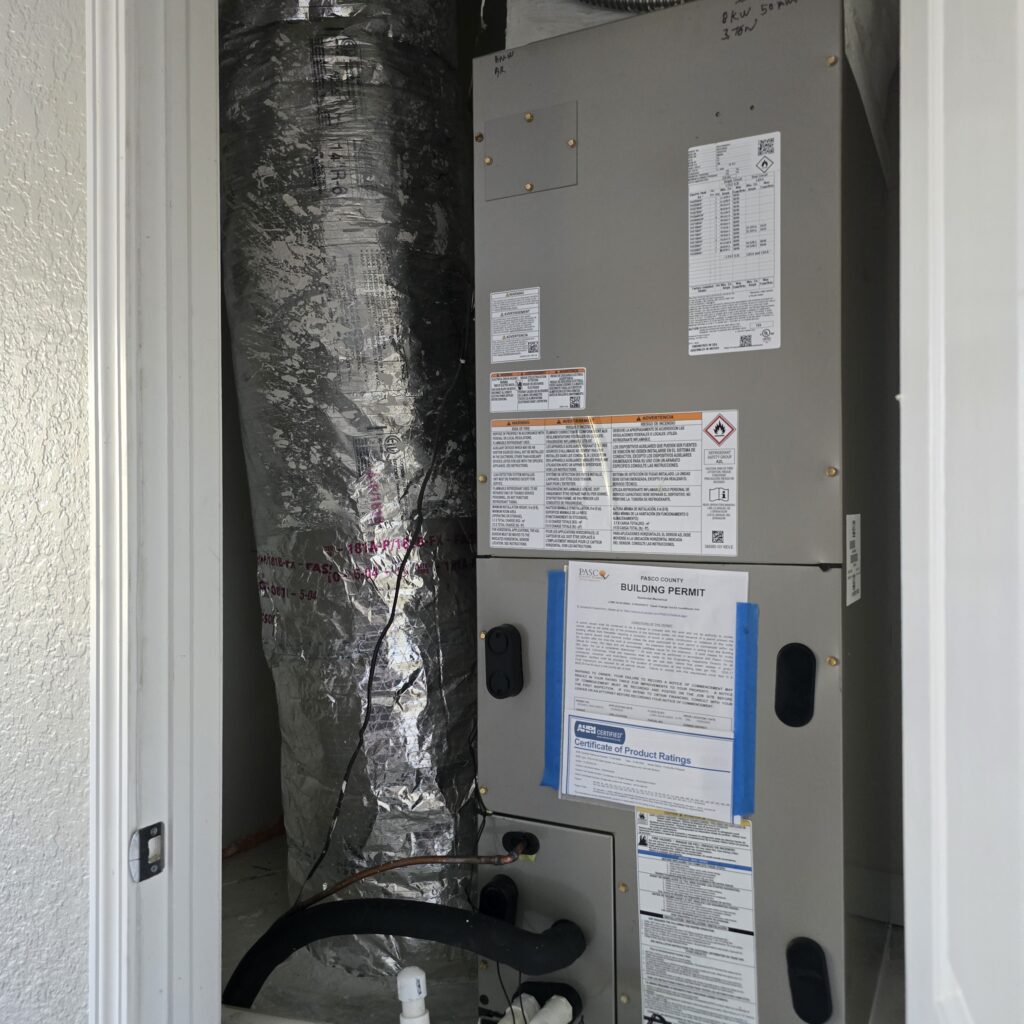
In modern systems that use direct-drive motors, a squealing or screeching noise indicates a more serious issue with the bearings. The metal shaft of the motor spins at high speeds within sealed bearings. These bearings are lubricated to reduce friction. After years of operation, especially in the dusty and hot environment of East Texas, the lubrication can dry out or leak. Without oil, metal grinds against metal. The screeching sound is the physical manifestation of this friction. Unlike a belt, a bearing cannot simply be tightened. It is a sign that the motor is deteriorating.
If a motor is allowed to run with bad bearings, the friction generates immense heat. This heat can melt the winding insulation and cause the motor to seize completely. A seized motor stops abruptly, but the electricity continues to flow, leading to an electrical burnout that can trip breakers or even damage the control board. Catching the issue while it is just a noise allows a technician to replace the motor in a controlled manner. Waiting until the noise stops usually means the motor has died, often taking the capacitor or module with it.
Loud Banging or Clanking Sounds
Heavy metallic banging or clanking is a sound that demands immediate attention. This is the sound of something hitting something else with force. Inside the indoor air handler, the blower wheel is a large, squirrel-cage fan that moves the air. It is balanced precisely on the motor shaft. If the set screw that holds the wheel tight loosens, the wheel can slide along the shaft. It will wobble and bang against the metal housing of the unit. This creates a rhythmic clanking that gets louder as the speed increases. The force of a loose blower wheel is enough to destroy the housing and shatter the wheel itself, sending metal shrapnel through your ductwork.
In the outdoor unit, a banging noise can indicate a problem with the condenser fan blade. These blades are exposed to the elements and can be bent by falling branches or hail. A bent blade becomes unbalanced. As it spins, it causes the entire unit to shake violently. If the blade hits the protective cage or the condenser coil, it will create a loud banging noise. If the blade strikes the copper coil, it can slice through the tubing, releasing the refrigerant and ruining the compressor. This turns a simple fan blade replacement into a complete system replacement.
The most terrifying source of a banging noise comes from inside the compressor itself. The compressor is the engine of the cooling system, containing pistons, valves, and crankshafts. When internal parts break or come loose, they thrash around inside the sealed steel shell. This sound is often described as a marble rattling in a tin can or a deep, heavy clunking. There is no repair for internal compressor damage. It signifies the end of the unit’s life. However, shutting the system down at the first sign of this noise prevents the compressor from exploding internally and contaminating the copper lines with acid and metal debris, which makes installing a new unit much more expensive.
Hissing or Bubbling Refrigerant Noises
A hissing sound typically indicates the escape of high-pressure gas. Your air conditioning system operates by circulating refrigerant under varying pressures. The liquid line carries high-pressure warm refrigerant, while the suction line carries low-pressure cool gas. If a leak develops in the copper tubing or at a braze joint, the refrigerant will shoot out. Large leaks produce a distinct hiss that can be heard even over the sound of the fan. This is not just a noise; it is an active loss of the chemical required to cool your home. As the refrigerant escapes, the system loses its capacity to absorb heat.
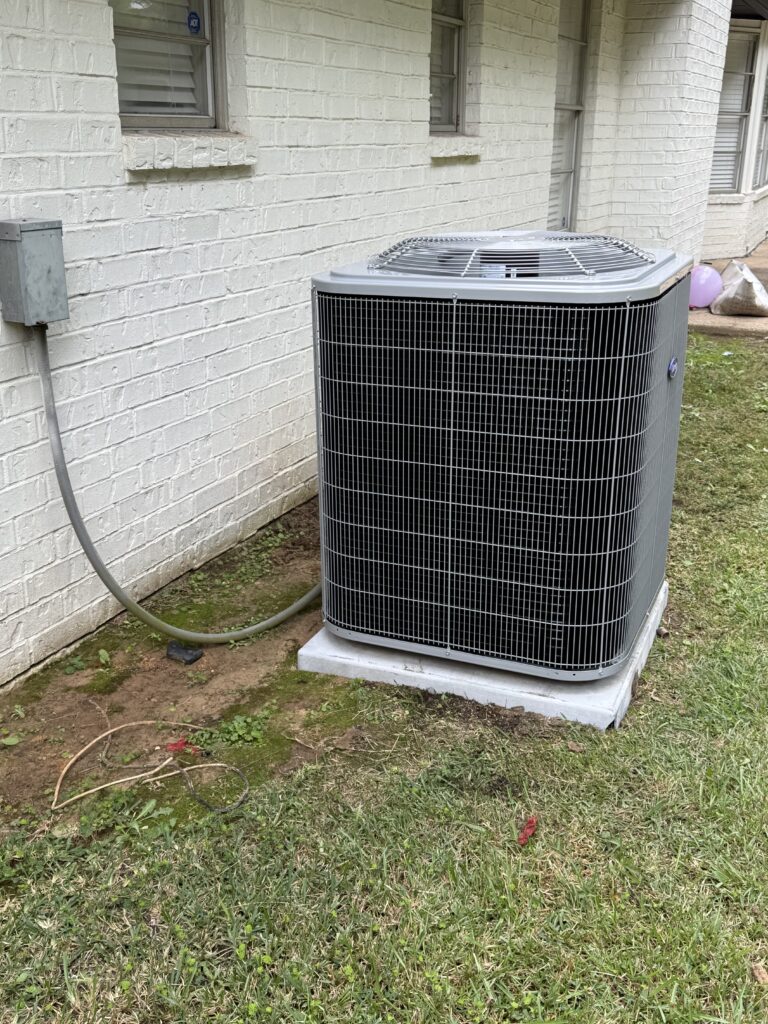
Smaller leaks might not hiss loudly, but they can create a bubbling or gurgling noise. This often happens when the refrigerant level gets low and air enters the lines. The mixture of liquid and gas moving through the metering device can sound like water running through pipes or bubbles in a straw. While less aggressive than a hiss, a bubbling sound confirms that the sealed system has been breached. Running an air conditioner with low refrigerant is fatal to the compressor. The compressor relies on the cool refrigerant vapor to keep itself from overheating. Without it, the motor windings cook and eventually burn out.
Hissing can also originate from the ductwork. If you have a significant disconnect in your supply plenum or a large hole in a flexible duct, the air rushing out can create a wind tunnel effect. In the attic, this might sound like a low roar or a whistle. This is the sound of your money leaving the system. You are paying to condition air that is being dumped into the unconditioned attic space. Identifying the source of a hiss requires a professional leak search. Technicians use electronic sniffers and bubbles to pinpoint the exact location of the breach so it can be sealed and the system recharged.
Rapid Clicking or Buzzing from Electrical Components
Electrical components often give an auditory warning before they fail completely. A rapid clicking sound coming from the outdoor unit or the furnace usually points to a failing relay or contactor. The contactor is the switch that closes to send power to the compressor. If the coil inside the contactor is weak or if the voltage is fluctuating, the switch might try to close repeatedly but fail to latch. This creates a machine-gun clicking sound. While the sound is annoying, the real danger is the damage being done to the compressor. Rapidly cycling power on and off stresses the compressor windings and can cause them to short out.
Buzzing is another common electrical noise. A low-voltage transformer often emits a hum, but a loud buzz indicates that the laminations inside the transformer are loose or that the component is overloaded. A buzzing sound from the capacitor is a sign that it is about to burst. The capacitor stores energy to help start the motors. When the dielectric fluid inside expands due to heat or age, the internal pressure builds, causing the casing to vibrate and buzz. If you hear buzzing, the component is living on borrowed time.
Sometimes the clicking comes from the thermostat itself. If you hear the thermostat clicking but the unit does not turn on, it indicates a communication failure. The thermostat is sending the signal, but the unit is not responding. This could be due to a broken wire, a blown fuse on the control board, or a tripped safety switch. Electrical noises are dangerous because they often precede smoke or fire. A buzzing wire connection means arcing is occurring, which generates intense heat. Addressing electrical noises immediately prevents fire hazards and protects the expensive printed circuit boards in your system.
Rattling and Vibration Issues
Rattling is perhaps the most common HVAC noise, and it is often dismissed as a nuisance rather than a problem. However, rattling usually means something is loose. Over years of operation, the constant vibration of the system can loosen screws, bolts, and panels. A loose panel on the air handler can vibrate against the frame, creating a consistent rattle. While this seems minor, the vibration can cause wires to rub against sharp metal edges. If the insulation on a wire rubs through, it will create a short circuit that blows the low-voltage fuse or damages the transformer.
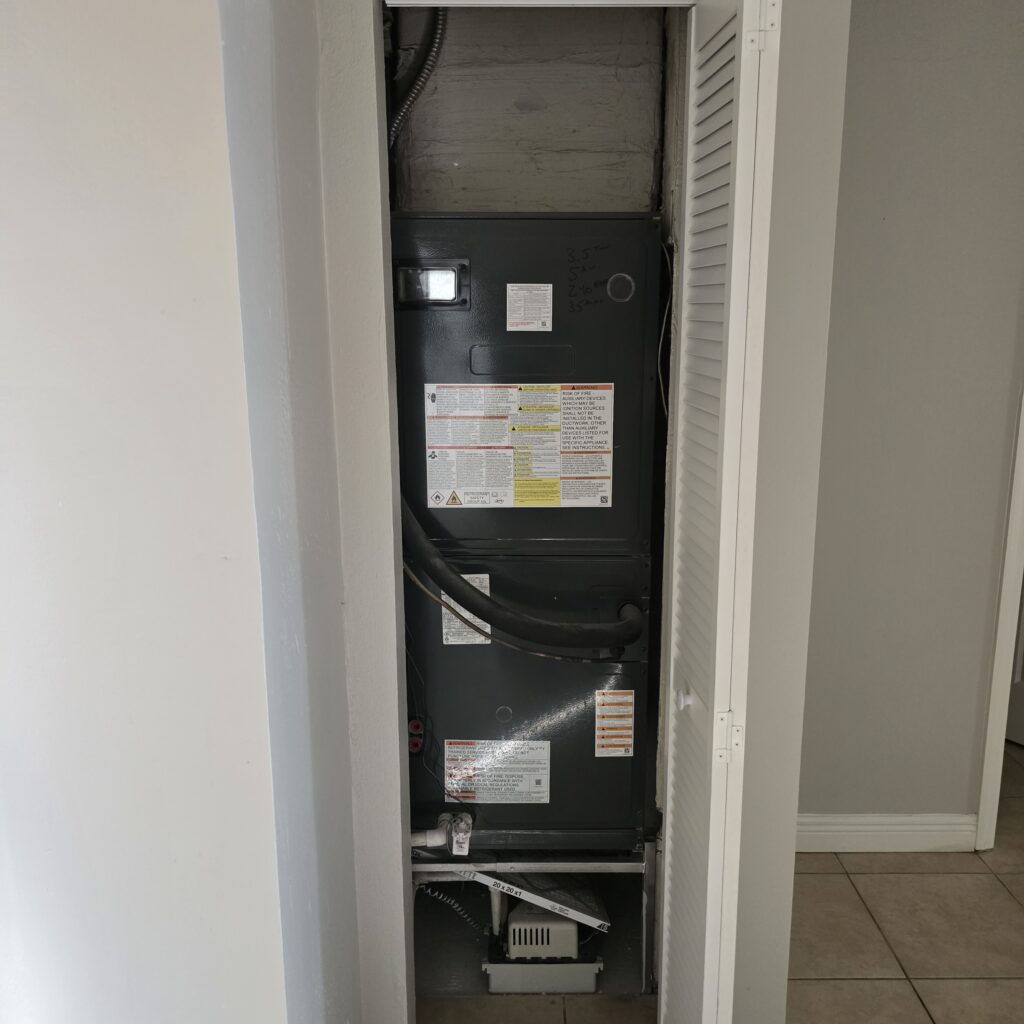
In the outdoor unit, rattling often comes from debris. Longview is prone to storms that drop twigs, acorns, and pine cones. If this debris falls through the fan guard and lands in the bottom of the unit, the fan blade can hit it or the vibration of the compressor can cause it to rattle against the metal base pan. This debris holds moisture and promotes rust. It can also block the drainage holes in the unit, leading to water buildup that corrodes the bottom of the coil. Removing the top of the unit to clean out the debris stops the noise and extends the life of the metal cabinet.
Ductwork can also rattle if it is not secured properly. When the blower turns on, the pressure change causes the metal ducts to expand or “oil can.” This creates a popping or booming noise. If the ducts are touching wood framing or plumbing pipes, they will rattle as the air moves through them. This noise transmits through the house and can be incredibly distracting. Securing the ducts with straps and isolating them from the framing with foam pads quiets the system. It also ensures that the joints do not wiggle loose over time, which would create air leaks.
Gurgling in the Condensate Drain
A gurgling sound coming from the indoor unit is distinct from the bubbling of refrigerant. This sound usually mimics water draining from a bathtub. It indicates a problem with the condensate drain line. Your air conditioner removes gallons of water from the air every day during the summer. This water collects in a pan and flows out through a PVC pipe. If the drain line is partially clogged with algae or sludge, air gets trapped in the line. As the water fights to get past the air pocket, it gurgles.
This sound is a precursor to a water leak. If the line is struggling to drain, it is only a matter of time before it backs up completely. When the drain blocks, water overflows the pan. In an attic installation, this can mean water soaking through your ceiling and ruining drywall. Most modern systems have safety float switches, but relying on a safety switch is a last resort. The gurgling is telling you that the drain needs to be cleaned immediately.
Improper trapping can also cause gurgling. The P-trap in the drain line is designed to hold a small amount of water to block air from being pulled back into the unit. If the trap dries out or is missing, the negative pressure of the blower will pull air up the drain line. This prevents the water from draining and creates a loud gurgling or slurping noise. It also pulls dusty, humid attic air directly into the unit. Priming the trap or correcting the plumbing configuration solves the noise and ensures proper drainage.
Your home’s heating and cooling system is a complex assembly of motors, fans, switches, and pressurized fluids. When everything is working in harmony, the system is nearly silent. When that harmony is broken, the noises that emerge are not just annoyances; they are warnings. Squealing belts, banging fans, hissing leaks, and buzzing capacitors are all indicators that the physical integrity of the system is compromised. Choosing to ignore these sounds is a gamble that rarely pays off. The cost of replacing a seized motor is far higher than the cost of replacing a bearing, and the cost of a new system is vastly higher than repairing a leak.
RC’s A/C Reliable Climate believes in listening to what your home is telling you. We encourage homeowners in Longview to pay attention to the changes in their system’s behavior. If you hear a noise that does not belong, do not wait for the silence of a total breakdown. Our team has the experience to identify the source of the sound and the skills to fix it correctly. We provide honest assessments that distinguish between a simple rattle and a critical failure. By addressing these auditory red flags early, you protect your investment, ensure your safety, and restore the quiet comfort that makes a house a home.