
How to Tell If Your AC Compressor Is Failing
Your air conditioner relies on one part more than any other, and that part is the compressor. The compressor sits inside the outdoor condenser unit, and its job is to pressurize refrigerant and push it through the system so heat can move out of your home. When the compressor starts to wear out, the entire cooling process slows down, and your house feels the difference fast during a hot Texas summer. Many homeowners in Longview confuse a failing compressor with a simple thermostat problem or a clogged filter, which means the real issue gets ignored until the unit quits completely. Catching the warning signs early can save you hundreds of dollars and a sweaty afternoon waiting on emergency service. A compressor that limps along for weeks also drives up your electric bill, because it pulls extra power while delivering weaker cooling. The good news is that a failing compressor almost always sends out clear signals before it dies. Learning to read those signals puts you in control, and it gives you time to call a licensed technician before a small repair turns into a full system replacement.
Common Signs Your AC Compressor Is Failing
A failing AC compressor rarely breaks down without warning, and the symptoms tend to show up in a predictable order. You might notice the air coming from your vents feels less cold than it used to, even when the thermostat is set low. The outdoor unit may start making sounds you have never heard before, or it might struggle to turn on at all. In some cases the circuit breaker connected to the unit trips again and again, which is a loud signal that the compressor is drawing too much electricity. Each of these signs points back to the same hardworking part, and recognizing them quickly helps you act before the damage spreads. Below are the three warning signs homeowners in East Texas report most often when a compressor begins to fail.
Warm Air From the Vents Is the First Sign Your AC Compressor Is Failing
Warm air blowing from your vents is usually the earliest and most obvious sign that your AC compressor is failing. The compressor is responsible for moving refrigerant through the system, and refrigerant is what actually absorbs the heat inside your home and carries it outdoors. When the compressor weakens, it can no longer pressurize that refrigerant correctly, so the cooling cycle breaks down even though the fan keeps blowing. You will feel air coming out of the registers, but it will be room temperature or only slightly cool, and the house never reaches the setting on the thermostat. People often crank the temperature down further, which only makes the struggling compressor work harder and burn out faster. A failing compressor can also cause longer and longer run times, because the system never satisfies the thermostat and simply keeps running. If your unit runs all day and still feels warm inside, the compressor is one of the first suspects a technician will check. Do not wait on this symptom, since a compressor that cannot cool is already in serious trouble.
It helps to rule out the simple stuff first so you know the warm air is truly a compressor issue. Check that your air filter is clean, because a clogged filter chokes airflow and mimics weak cooling. Look at the thermostat to confirm it is set to cool and not stuck in fan only mode, which pushes air without engaging the cooling cycle. Walk outside and place your hand near the condenser to feel for warm air being thrown off the top, since a healthy unit expels real heat there. If the outdoor fan spins but the unit feels cool and quiet rather than warm, the compressor may not be engaging at all. These quick checks take only a few minutes, and they tell a technician a lot when you call for help. Ruling out the small problems means you avoid paying for a service visit over a dirty filter. When the basics check out but the air stays warm, the compressor moves to the top of the list.
The reason warm air matters so much is that it signals a breakdown in the heart of the system, not just a minor part. A compressor replacement is one of the most expensive AC repairs there is, so spotting trouble early gives you options. Sometimes the underlying cause is a refrigerant leak that starved the compressor, and addressing the leak quickly can prevent a total failure. Other times the compressor itself has internal wear that will only get worse, and a professional diagnosis tells you which path you are on. The longer a starved or struggling compressor runs, the higher the chance it seizes for good. That is why a prompt inspection pays for itself, since it can catch a fixable problem before it becomes a replacement. Need air conditioning repair in East Texas? Click here for our air conditioning service. A quick call can turn a warm house back into a cool one before the heat of the afternoon settles in.
Loud or Strange Noises Point to an AC Compressor That Is Failing
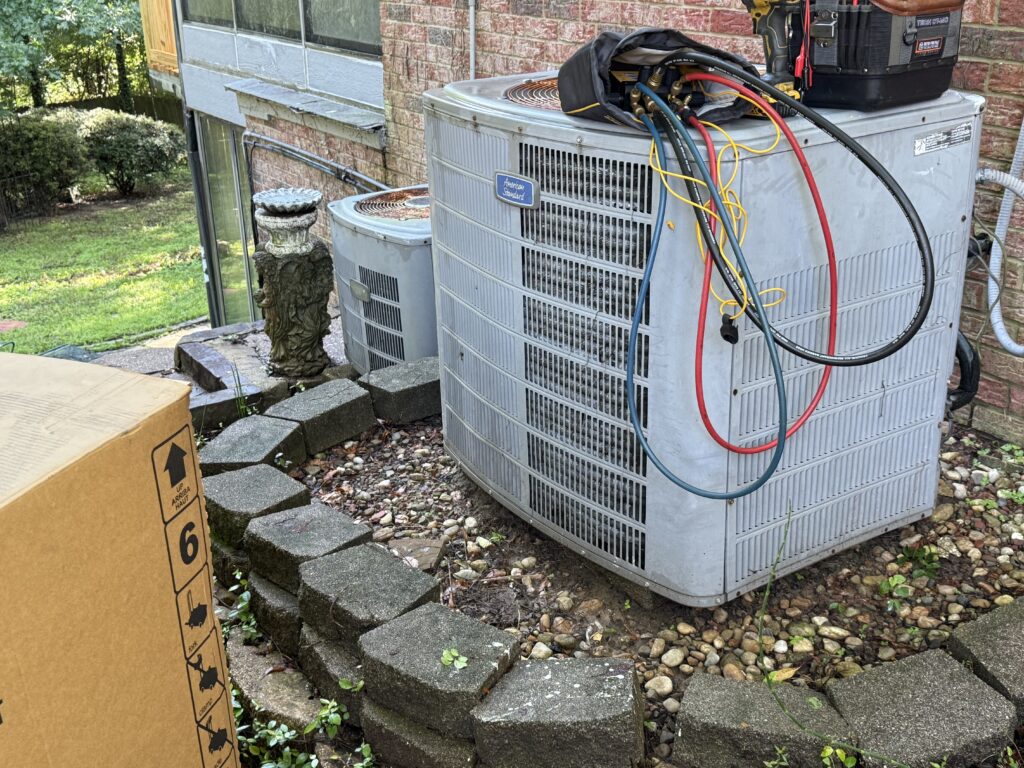
Unusual noises from the outdoor unit are another strong sign that your AC compressor is failing, and they often follow the warm air stage. A compressor in good shape runs with a steady, low hum that fades into the background after a moment. When it starts to fail, you may hear grinding, rattling, clattering, or a banging sound that comes from loose or worn internal parts. A clicking that repeats over and over on startup can mean the compressor is trying to engage but cannot quite get going. Screeching or squealing sometimes points to high internal pressure or a failing bearing inside the unit. These sounds are not normal background noise, and they tend to get louder and more frequent as the problem grows. Pay attention to when the noise happens, because a sound at startup tells a technician something different than a sound during a full run cycle.
A specific noise worth knowing about is the hard start, where the compressor strains loudly when the unit first kicks on. During a hard start the compressor draws a heavy surge of electricity and may hum, buzz, or shudder before it finally runs. This often traces back to a worn start capacitor, which is the small part that gives the compressor the jolt it needs to begin spinning. A failing capacitor is far cheaper to replace than a compressor, so catching a hard start early can save the bigger component. Left alone, repeated hard starts put enormous stress on the motor windings inside the compressor and shorten its life. The buzzing you hear is the compressor fighting to do a job it can barely manage anymore. When you hear that strain at startup, it is a clear cue to schedule service right away.
Ignoring strange compressor noises is one of the most common and costly mistakes a homeowner can make. A rattle that seems minor today can mean a part has broken loose and is grinding against other components inside the unit. Metal on metal contact creates shavings that contaminate the system and can destroy the compressor from the inside. By the time the noise becomes impossible to ignore, the repair bill is often much larger than it needed to be. A licensed technician can pinpoint the source of the sound and tell you if you are dealing with a capacitor, a fan motor, or the compressor itself. Acting on a noise early frequently means a small repair instead of a full replacement. The unit is telling you something is wrong, and the smart move is to listen and call a professional before the sound stops because the compressor has finally quit.
Tripped Breakers and High Bills Often Mean Your AC Compressor Is Failing
A circuit breaker that keeps tripping is one of the clearest signs that your AC compressor is failing and should never be ignored. As a compressor wears out or begins to seize, it draws more and more electrical current to do the same amount of work. Eventually it pulls more amperage than the circuit is rated to handle, and the breaker trips to protect your home from an electrical fire. Resetting the breaker over and over is dangerous, because each reset sends another heavy surge into a part that is already failing. If your AC trips the breaker once, it might be a fluke, but a repeated trip is a red flag that demands a professional inspection. Never keep flipping the breaker back on in hopes that the problem fixes itself. That habit can damage your panel, your wiring, and the compressor all at once.
Rising electric bills with no change in your habits often go hand in hand with a failing compressor. A struggling compressor works harder and runs longer to deliver weaker cooling, and all that extra effort shows up on your monthly statement. You might see your bill climb steadily over a few weeks while the house actually feels less comfortable than before. This slow creep is easy to blame on the utility company or a hot stretch of weather, but it can be your AC quietly warning you. A compressor that draws excess power is burning money every single day it runs in that condition. Comparing your current bill to the same month last year can reveal the problem fast. When the cost goes up and the comfort goes down, the compressor deserves a close look.
The connection between electrical symptoms and compressor health comes down to how the motor inside the compressor behaves as it fails. Worn motor windings, a bad capacitor, or a seizing pump all force the unit to demand abnormal amounts of current. A technician uses a meter to measure that current draw and compare it to the manufacturer rating, which tells them exactly how the compressor is performing. This kind of test removes the guesswork and shows clearly if the compressor is the source of the tripping and the high bills. Catching an electrical problem early can sometimes save the compressor, since the issue may be a failing part feeding into it rather than the compressor itself. Once a compressor seizes from electrical stress, replacement is usually the only option left. A prompt diagnosis protects both your wallet and the rest of your equipment.
What Causes an AC Compressor to Fail in the First Place
Understanding what causes an AC compressor to fail helps you protect your system and avoid the most common breakdowns. Compressors do not usually fail by random chance; they fail because of conditions that build up over months or years. Low refrigerant, electrical trouble, and skipped maintenance are three of the biggest culprits we see across Longview and the surrounding towns. Heat, dust, and the long cooling season in East Texas put extra strain on equipment, which makes prevention even more important here. The encouraging part is that most of these causes are within your control or easy for a technician to catch during a tune up. When you know what kills a compressor, you know exactly what to guard against. Here are the three causes that lead to the most compressor failures.
Low Refrigerant and Leaks Can Cause Your AC Compressor to Fail
Low refrigerant is one of the leading reasons an AC compressor fails, and it usually starts with a slow leak somewhere in the system. Refrigerant is meant to circulate in a sealed loop, so a properly charged system should never run low under normal conditions. When a leak develops in a coil, a line, or a fitting, the refrigerant level drops and the compressor loses the support it needs to run safely. A low charge forces the compressor to work harder and run hotter, since there is not enough refrigerant to carry heat away and keep the part cool. Over time that constant overheating breaks down the lubricant inside the compressor and damages the motor windings. Many homeowners simply add refrigerant year after year without fixing the leak, which is a temporary patch that ignores the real problem. The leak keeps growing, the compressor keeps overheating, and eventually the part burns out.
The signs of a refrigerant leak can be subtle, which is why so many systems run low for a long time before anyone notices. You might see ice forming on the copper lines or the indoor coil, which seems strange but actually points to a low charge. A hissing or bubbling sound near the unit can mean refrigerant is escaping under pressure. Cooling that gets weaker over a full season, rather than failing all at once, is another classic clue of a slow leak. Some leaks are too small to find by sight or sound, so a technician uses electronic detectors or dye to track them down. Adding refrigerant without locating the source only delays the inevitable and can violate proper service practices. A correct repair means finding the leak, sealing it, and then charging the system back to the manufacturer specification.
Protecting your compressor from refrigerant problems comes down to regular inspection and prompt leak repair. During a maintenance visit, a technician checks the refrigerant pressure to confirm the charge is right, since both too little and too much can harm the compressor. They also inspect the coils and connections for the early signs of leaks before those leaks grow large enough to starve the system. Catching a leak in spring can prevent a compressor failure in the middle of August when you need cooling the most. A correctly charged system runs cooler, lasts longer, and costs less to operate every month. Want to keep your AC running strong through the summer? Click here for our air conditioning service and schedule a checkup. A small investment in maintenance protects the most expensive part in your entire system.
Electrical Problems That Cause an AC Compressor to Fail
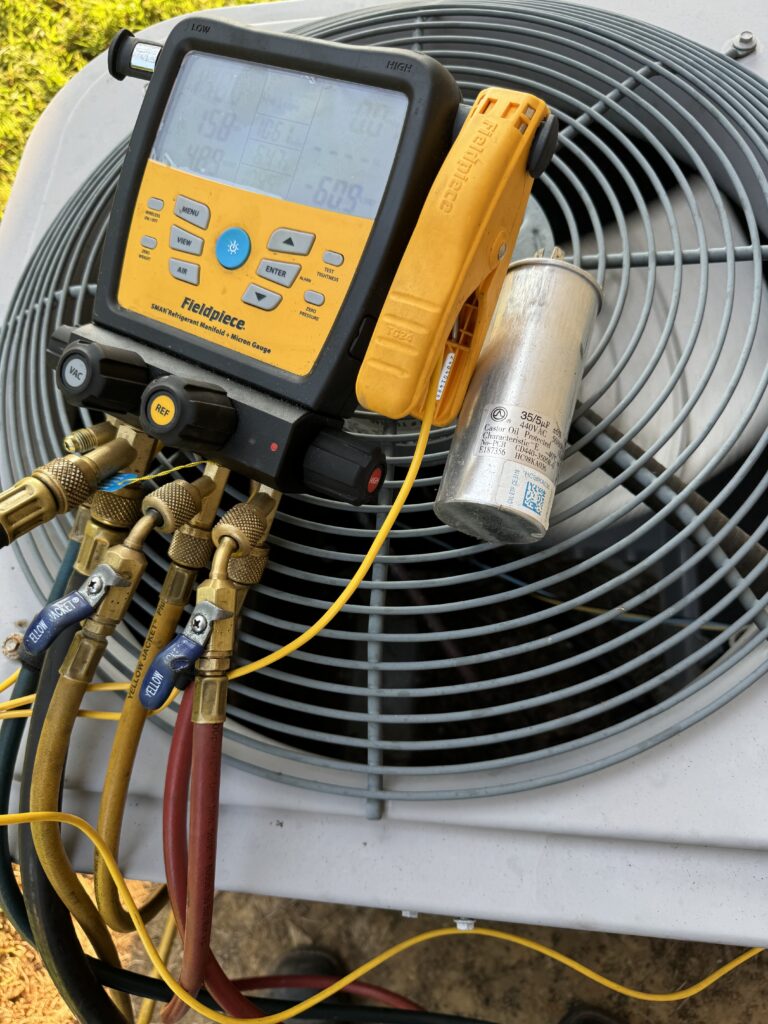
Electrical faults are a frequent cause of AC compressor failure, and they often strike without much warning. The compressor depends on several electrical parts to start and run, including the capacitor, the contactor, and the wiring that feeds it power. A failing start capacitor cannot give the compressor the surge it needs, which leads to the hard starts and strained humming described earlier. A worn contactor can deliver inconsistent power, causing the compressor to chatter on and off in a way that damages the motor. Loose, corroded, or burnt wiring creates resistance and heat that can fry the compressor windings over time. Power surges from storms, which East Texas sees plenty of, can also deliver a damaging jolt to the unit. Each of these issues stresses the compressor and shortens the life of an otherwise healthy part.
The danger with electrical problems is that they tend to cascade and take out the compressor with them. A failing capacitor that goes unnoticed makes the compressor strain on every startup, slowly cooking the motor windings until they short out. Once those windings short, the compressor is usually beyond repair and the whole part must be replaced. The frustrating truth is that the small failing component was cheap, while the resulting compressor replacement is one of the priciest repairs in the trade. This is why a technician always checks the electrical components during a service visit and tests the capacitor and contactor under load. Replacing a tired capacitor for a modest cost can save a compressor worth far more. Treating the small electrical parts as expendable maintenance items is one of the smartest things a homeowner can do.
Storm protection and proper installation also play a major role in keeping electrical faults from killing your compressor. A surge protector designed for HVAC equipment can shield the unit from the voltage spikes that come with summer thunderstorms. Correctly sized wiring and a properly rated breaker prevent the heat and resistance that damage components over time. A technician will confirm that the unit is wired to code and that connections are tight and free of corrosion. Many older systems in the area were installed years ago and have never had their electrical connections checked since. A quick inspection can catch a loose lug or a corroded terminal before it leads to a costly burnout. Treating the electrical side of your AC as seriously as the mechanical side keeps the compressor protected from a common and preventable death.
Poor Maintenance Causes Many AC Compressors to Fail Early
Skipped maintenance is one of the most preventable causes of early AC compressor failure, and it is also the most common. A compressor is built to last for years, but only when the system around it is kept clean and properly charged. Dirty condenser coils trap heat against the unit, which forces the compressor to run hotter and work harder than it should. A clogged air filter chokes airflow across the indoor coil and can lead to icing that strains the entire system. Without regular service, small problems like a slightly low charge or a weak capacitor go unnoticed until they snowball into a compressor failure. Each missed tune up lets these conditions stack up, and the compressor pays the price. Routine care is by far the cheapest insurance you can buy for your AC.
The East Texas climate makes maintenance even more important than it is in milder regions. Our long, hot cooling season means your compressor runs for many hours a day across most of the year, which adds up to serious wear. Dust, pollen, and grass clippings collect on the outdoor coil and act like a blanket that holds heat in. High humidity and frequent storms add stress that drier climates never deal with. A unit that might coast through a short northern summer gets pushed hard here for months on end. That heavy duty cycle means a neglected system fails far sooner than a maintained one. Giving your AC a yearly checkup before the season ramps up keeps the compressor ready for the workload ahead.
A professional maintenance visit addresses every one of the conditions that wear out a compressor. The technician cleans the condenser coil so heat escapes the way it should, then checks the refrigerant charge to confirm it is correct. They test the electrical components, tighten connections, and replace worn parts like capacitors before those parts cause a failure. They also inspect the airflow and recommend a filter schedule that keeps the indoor coil clear. This kind of attention catches the small issues that quietly kill compressors and fixes them while they are still cheap. A maintained system runs more efficiently, costs less to operate, and lasts years longer than a neglected one. Spending a little on annual care is far cheaper than replacing a compressor or an entire unit.
Why You Need a Professional AC Compressor Inspection in Longview
A professional AC compressor inspection is the surest way to know what is really happening inside your system before a small problem becomes a breakdown. The compressor is sealed, complex, and tied into the electrical and refrigerant sides of your AC, which makes guesswork unreliable and risky. A trained technician uses gauges, meters, and experience to test the part under real operating conditions and give you a straight answer. That answer might be reassuring, or it might be the early warning that saves you from a midsummer failure. Either way, you walk away knowing the true condition of the most important part in your air conditioner. Booking an inspection at the first sign of trouble is always cheaper than waiting for a full failure.
Schedule a Professional AC Compressor Inspection Before It Fails
The best time to schedule a professional AC compressor inspection is at the first warning sign, not after the unit has already quit. Warm air, strange noises, tripped breakers, or a climbing bill are all reasons to pick up the phone right away. Acting early often means a technician can fix a feeding problem, like a leak or a weak capacitor, before the compressor itself is damaged. Waiting until the unit dies removes those cheaper options and usually leaves replacement as the only path forward. A prompt inspection during a hot Texas summer also keeps you from sitting in a warm house while you wait for emergency service. Early action turns a stressful breakdown into a routine repair.
An inspection also gives you a clear plan instead of uncertainty. The technician will tell you if the compressor is healthy, if it has a fixable problem, or if it is near the end of its life. With that information you can budget and decide on your own timeline rather than being forced into a rushed decision on the hottest day of the year. Knowing the real condition of your system removes the stress of wondering when it might quit. R.C.s A/C Reliable Climate offers free estimates for new HVAC installations, so you can plan ahead with confidence. Our team gives honest recommendations with no unnecessary upsells, which means you only pay for what your system truly needs.
There is never a bad time to confirm your compressor is in good shape, especially with the cooling season in full swing. We serve Longview and the surrounding communities, and our technicians know how hard the local climate is on equipment. Want service near you? Click here for our Longview AC service area and reach out today. A quick inspection now protects your comfort and your wallet for the rest of the summer. Call us at (903) 316 6855 to set up a visit that fits your schedule.
A Professional AC Compressor Inspection Protects Your Whole System
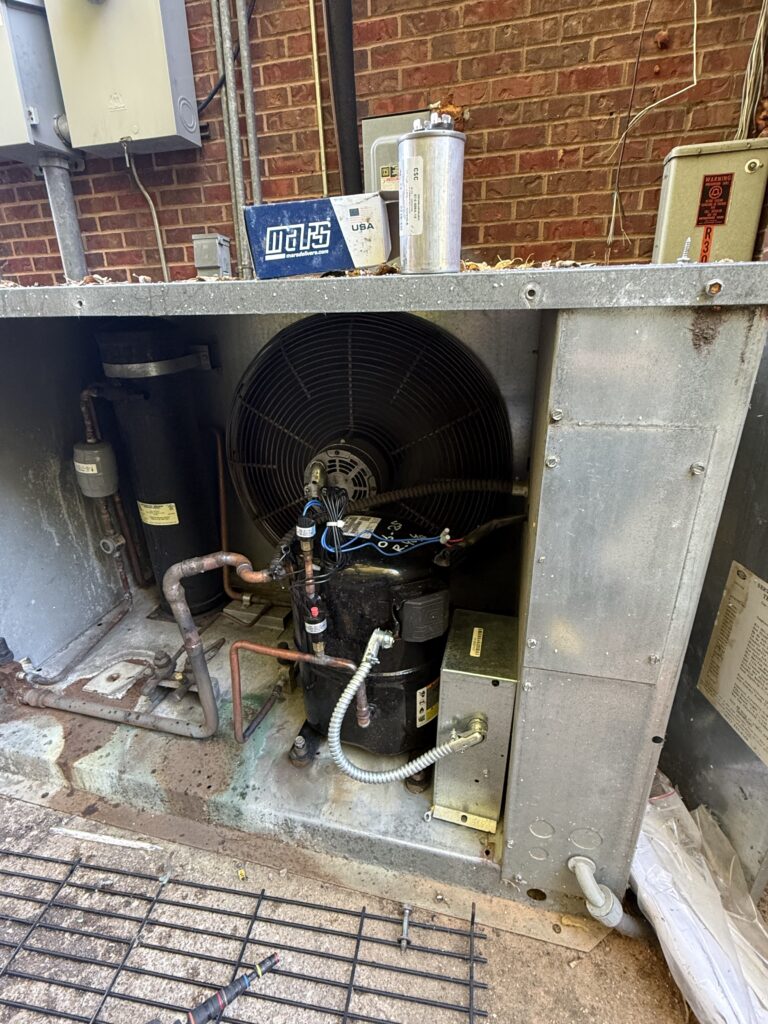
A professional AC compressor inspection does far more than check one part; it protects your entire cooling system. When a technician evaluates the compressor, they also examine the refrigerant charge, the coils, the electrical components, and the airflow that all work together. Problems in any of those areas can damage the compressor, so a thorough inspection catches the root cause and not just the symptom. This whole system view is something a homeowner simply cannot replicate without the right tools and training. Finding a small issue in one area often prevents a big failure in another. That ripple effect is what makes a professional inspection so valuable.
Protecting the compressor also protects the large investment your air conditioner represents. A compressor failure can cost a significant share of what a whole new system would cost, which sometimes makes replacement the smarter choice. Knowing this in advance lets you weigh repair against replacement with a clear head and a real estimate. Our technicians explain the numbers plainly so you understand exactly where your system stands. We back our work with a 10 year parts warranty and a 1 year labor warranty, which gives you lasting peace of mind. That kind of coverage shows how much confidence we place in the repairs we perform.
Regular inspections build a record of your system over time, which helps spot trends before they become emergencies. A technician who has seen your unit before can tell when the current draw has crept up or the refrigerant charge has slipped. That history makes each future visit faster and more accurate. It also helps you plan replacements on your own terms rather than during a crisis. R.C.s A/C Reliable Climate offers financing for HVAC and refrigeration services, so a major repair never has to derail your budget. Steady, professional care is the surest way to get the longest possible life out of your compressor.
Why Choose R.C.s A/C Reliable Climate for AC Compressor Service
R.C.s A/C Reliable Climate is locally owned and operated right here in Longview, Texas, and we treat our neighbors the way we would want to be treated. We are fully licensed and insured under Texas HVAC License number TACLA129043C, so you can trust that the work is done correctly and to code. Our technicians give honest recommendations with no unnecessary upsells, which means we tell you the truth about your compressor even when the easy sale would be a new unit. We believe ethics come first, and that reputation is the reason so many local families and businesses call us back. When you invite us into your home, you get straight answers and fair pricing every time.
We know how miserable a broken AC feels during a Texas summer, which is why we offer 24 hour, 7 day emergency HVAC service. A failing compressor will not wait for business hours, and neither do we. Our team arrives ready to diagnose the problem accurately and explain your options in plain language. We stand behind our work with a 10 year parts warranty and a 1 year labor warranty, and we are dedicated to always providing a five star service. Free estimates on new installations and flexible financing make it easier to do the right repair at the right time.
Choosing the right company for your AC compressor service comes down to trust, skill, and a track record you can count on. We bring all three to every job across Longview, White Oak, Gilmer, Kilgore, Marshall, and the rest of our service area. Our experience with both HVAC and refrigeration means we understand compressors better than most, since they sit at the heart of cooling in every system we touch. We aim to keep your home comfortable for years, not just for one quick fix. Reach out at (903) 316 6855 or email info@iwantclimate.com to schedule your inspection. Let us show you what reliable, honest climate service really looks like.