
How Mini Split Systems Cool Additions and Garages
Adding a new room, sunroom, or finishing out a garage in Longview brings up the same question every time. How do you cool the new space without overloading the existing central air conditioning system? The answer for most East Texas homeowners is a mini split system. These ductless units deliver targeted cooling exactly where you need it, work independently from the rest of the home, and install in spaces where running new ductwork would be expensive or impossible. With summer temperatures climbing into the upper 90s across Gregg County, a properly sized mini split turns an unusable garage or hot back addition into one of the most comfortable rooms in the house. The technology has come a long way, and the energy efficiency now rivals or beats traditional central systems on cost per square foot cooled. Homeowners in Longview, Kilgore, and Marshall are choosing mini splits more often because they solve a problem central air simply cannot fix without major renovation.
Why Mini Split Systems Work So Well for Additions and Garages
Room additions and garages share a few traits that make them difficult to cool with a standard central system. They often sit far from the main air handler, the ductwork was never designed to reach them, and the insulation values frequently differ from the rest of the house. A mini split system solves all three problems at once because it operates as its own self-contained unit. The outdoor condenser connects to one or more indoor air handlers through a small line set, no ductwork required. That means no pressure imbalances, no long duct runs losing cool air through the attic, and no straining your existing system to cover square footage it was never sized to handle. For garages especially, where the door opens and closes throughout the day, having a dedicated unit means the rest of the home stays comfortable even when the garage temperature swings.
Mini Split Systems Handle the Unique Cooling Demands of Additions
A room addition usually has different cooling needs than the rest of the home. The walls may have more or less insulation, the windows are often newer and larger, and the room may face direct afternoon sun that the original house was oriented to avoid. All of these factors create a cooling load that does not match what your existing central system was designed to handle. Pushing more air through old ducts to reach the addition usually means starving the other rooms of cool air, which leads to uneven temperatures throughout the house. A mini split sized specifically for the addition delivers the exact amount of cooling that space requires. It also runs independently, so you only pay to cool the addition when someone is actually using it.
The installation process for a mini split in an addition is also far less invasive than extending ductwork. A small three inch hole through the exterior wall is all that connects the indoor unit to the outdoor condenser. There is no tearing into ceilings, no rerouting joists, and no patching drywall across multiple rooms. For homeowners who finished an addition without planning for HVAC, this matters. You can have a mini split installed and running in a single day in most cases. Compare that to the days or weeks required to extend ductwork, modify the air handler, and rebalance the entire system. The cost difference is significant, and the disruption to your home is minimal.
Zoning is another major advantage that mini splits bring to additions. Multi zone systems allow one outdoor condenser to support several indoor air handlers, each with its own thermostat. If your addition includes a master suite, a sitting area, and a small office, each space can be cooled to its own preferred temperature. The bedroom can run cooler at night while the office stays warmer during the day. This level of control simply is not possible with a central system that pushes the same conditioned air through every vent. Need to add a mini split to your room addition? Click here for our mini split service.
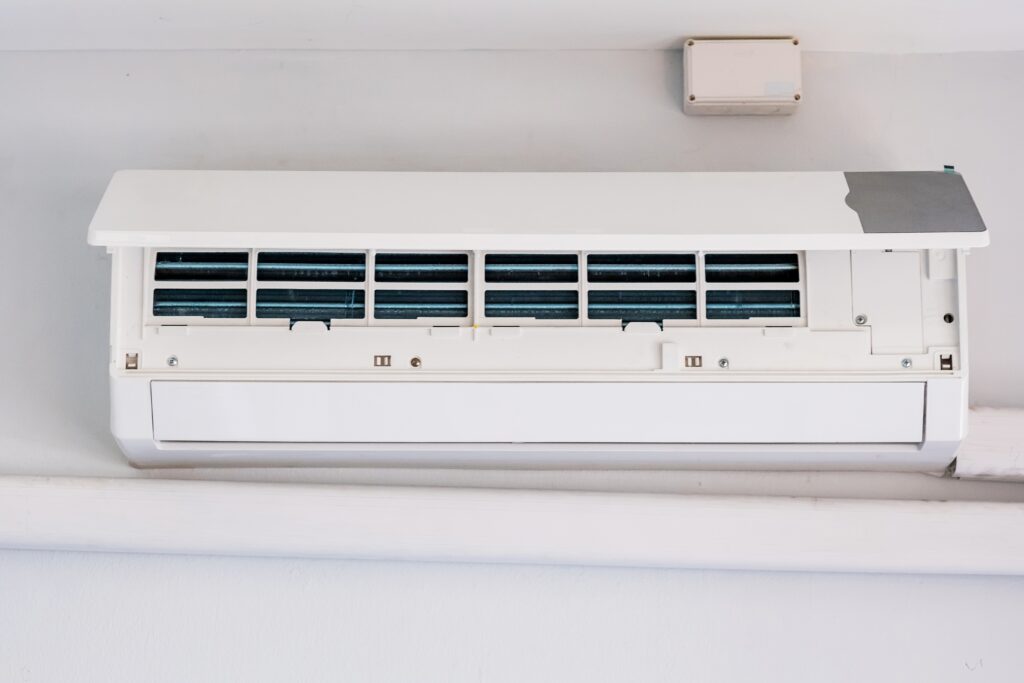
Mini Split Systems Solve the Heat Problem in Texas Garages
Garages in East Texas turn into ovens by mid morning during the summer. The concrete floor absorbs heat, the metal door radiates it, and the typical garage has little to no insulation in the walls or ceiling. Temperatures inside can climb 20 to 30 degrees above the outdoor reading. For anyone using the garage as a workshop, gym, or hobby space, this makes it unusable for half the year. A mini split changes that completely. The unit mounts high on a wall, blows cool air down across the working area, and pulls humidity out of the space at the same time. Even partially insulated garages become comfortable within an hour of the unit running.
Sizing the mini split correctly for a garage requires more attention than sizing one for a finished room. Garages often have higher ceilings, less insulation, and frequent door openings that let conditioned air escape. An undersized unit runs constantly and never quite catches up, which wastes energy and shortens the equipment lifespan. An oversized unit short cycles, which fails to remove humidity and leaves the space feeling clammy. A licensed HVAC technician will calculate the load based on square footage, ceiling height, insulation values, sun exposure, and how often the door opens. Getting this calculation right is the single biggest factor in how well the system performs over the years.
Many garage owners worry about whether a mini split can handle the dust and debris common in workshop environments. The indoor units have washable filters that pull out for cleaning, and the heads are sealed against most common workshop particulates. Sawdust, metal shavings, and other debris stay out of the working components as long as the filter gets cleaned every few weeks during heavy use. Annual professional maintenance keeps the coils clean, checks refrigerant levels, and ensures the condensate drain stays clear. With basic care, a mini split installed in a Longview garage will run reliably for 15 to 20 years even in demanding conditions.
How Mini Split Systems Compare to Window Units and Portable AC for Additions
Many homeowners first try a window unit or portable air conditioner in their addition or garage before upgrading to a mini split. The reasoning makes sense at first. A window unit costs a few hundred dollars and plugs into a standard outlet. Portable units offer flexibility because you can move them between rooms. But after one or two Texas summers, most people realize the limitations. Window units block natural light, create security concerns, and pull warm air in around the edges no matter how well you seal them. Portable units take up floor space, vent through a hose that loses efficiency, and produce significant noise. Mini split systems address every one of these problems while delivering better cooling at lower operating cost.
Mini Split Systems Outperform Window Units in Additions and Garages
Window air conditioners struggle to cool spaces larger than about 400 square feet effectively. Most additions and garages exceed this, which means the window unit runs constantly during peak heat without ever reaching the thermostat setting. The compressor wears out faster, the electricity bill climbs, and the room never feels truly comfortable. A mini split sized properly for the same space cools more evenly and uses significantly less electricity. The inverter compressor in modern mini splits ramps up and down based on actual cooling demand, which avoids the energy spikes that come with window units cycling on and off all day.
Noise is another major difference between mini splits and window units. Window air conditioners place the compressor right inside the room, which means every cycle brings a loud hum and vibration. Mini split systems put the compressor outside, with only the quiet indoor air handler inside the room. The indoor unit operates at noise levels around 20 to 30 decibels, which is quieter than a whisper. For additions that serve as bedrooms, home offices, or living spaces, this difference matters every single day. The ability to actually use the room for its intended purpose without fighting equipment noise is one of the most common reasons homeowners switch from window units to mini splits.
Security and weather concerns also push homeowners toward mini splits. A window unit creates a vulnerable point in the home where someone could potentially gain entry. Storms can damage window units or push water inside around the unit. Hail damages the exposed coils. Mini split outdoor condensers mount on a small pad or wall bracket, often in protected locations, and they are built to withstand outdoor conditions year round. The indoor unit stays sealed inside the home with no opening to the outside larger than the small line set penetration. Want to learn more about ductless cooling options? Click here for our mini split service.
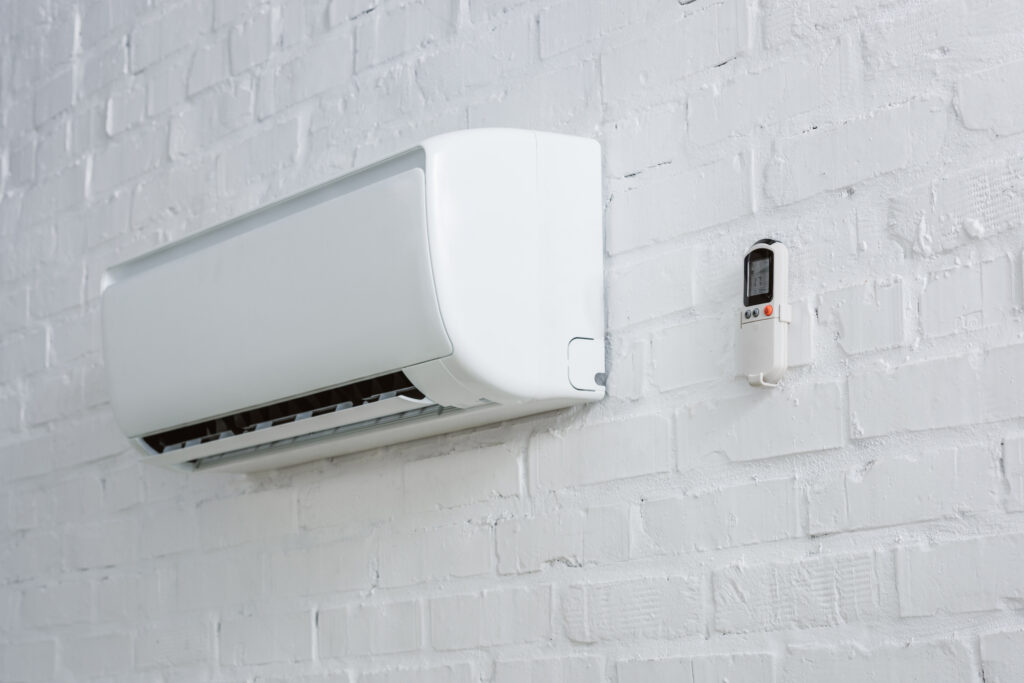
Mini Split Systems Provide Better Long Term Value Than Portable AC Units
Portable air conditioners seem convenient because they require no installation. You roll them into place, vent the exhaust hose through a window, and plug them in. The problem is that portable units are inherently inefficient. The exhaust hose pulls hot air back into the room as it vents, and the unit has to work much harder to compensate. Most portable air conditioners deliver only about half the cooling capacity their label claims when measured in real world conditions. For a Texas summer in a garage or addition, this means the unit runs constantly and still fails to keep the space comfortable on the hottest days.
The operating cost gap between portable units and mini splits grows wider every month. A portable air conditioner cooling a 500 square foot space runs continuously during peak heat and can add 100 to 200 dollars per month to your electric bill. A properly sized mini split cooling the same space typically uses 40 to 60 percent less electricity to maintain a more comfortable temperature. Over a single summer, the savings can cover a meaningful portion of the mini split installation cost. Over the equipment lifespan of 15 to 20 years, the total cost of ownership for a mini split comes out far ahead of repeatedly replacing portable units that burn out after three to five years.
Floor space and aesthetics also favor mini splits in most situations. A portable air conditioner sits on the floor taking up four or five square feet of usable space, with a thick hose running to the window. The unit is loud, the window seal kit looks unfinished, and the whole setup signals a temporary fix. A mini split mounts neatly on the wall up near the ceiling, with no floor footprint at all. The indoor unit blends into modern interiors and operates quietly enough that guests often do not notice it running. For an addition that you want to feel like a permanent, finished part of the home, the mini split delivers a far better result.
Why You Need a Professional Mini Split Installation in Longview
Installing a mini split correctly requires training, tools, and knowledge that go beyond what most homeowners have available. The refrigerant lines need to be flared and torqued to exact specifications. The system needs to be vacuumed down to remove moisture before charging. The electrical work has to meet code, and the mounting locations have to support the unit while allowing proper airflow. Cutting corners on any of these steps shortens the equipment lifespan and voids most manufacturer warranties. A licensed HVAC contractor with mini split experience handles all of this correctly the first time, and the system runs the way it should for the next two decades.
Mini Split Installation Requires Proper Sizing and Placement
Sizing a mini split is not a matter of looking up square footage on a chart. A proper load calculation accounts for ceiling height, window square footage, insulation values, sun exposure on each wall, the number of people who use the space, and any heat generating equipment like computers or workshop tools. Getting the size wrong in either direction creates problems. Too small and the unit runs constantly without ever cooling the space. Too large and the unit short cycles, which fails to remove humidity and wears out components prematurely. A professional installer uses Manual J calculations or equivalent industry standard methods to find the right capacity.
Placement of both the indoor and outdoor units matters just as much as sizing. The indoor head needs to be high on a wall where airflow can reach the entire room without being blocked by furniture or partitions. The outdoor condenser needs adequate clearance on all sides for airflow, and it should be positioned where snow, leaves, and debris will not clog the coils. The line set between them should run as short and direct as possible to maintain efficiency. An experienced installer evaluates the space and recommends placement that balances performance, aesthetics, and long term serviceability.
The electrical requirements for a mini split also demand professional attention. Most systems require a dedicated 240 volt circuit with the correct breaker size and wire gauge. The disconnect at the outdoor unit needs to be installed to code. Improper electrical work creates fire hazards and voids warranties. A licensed contractor coordinates the electrical work, pulls the required permits, and ensures everything passes inspection. This protects the homeowner and the equipment, and it provides documentation that increases home value at resale.

Mini Split Maintenance Keeps Your System Running Efficiently
Once your mini split is installed, regular maintenance keeps it running at peak efficiency. The filters in the indoor units need to be cleaned every few weeks during heavy use. Dust buildup on the coils reduces cooling capacity and forces the system to work harder. The outdoor condenser needs the coils cleaned annually, the refrigerant level checked, and the electrical connections inspected for corrosion. A professional maintenance visit catches small problems before they become expensive repairs. Skipping maintenance is the leading cause of premature mini split failure in East Texas.
The condensate drain on a mini split requires periodic attention to prevent clogs. Mini splits remove substantial amounts of humidity from the air, especially in the muggy East Texas climate, and that water has to drain somewhere. A clogged drain causes water to back up inside the indoor unit and eventually leak onto the wall or floor. Annual professional service includes flushing the drain line and verifying proper flow. This simple step prevents water damage and protects the unit from corrosion.
Refrigerant levels should be checked at least once a year. Mini split systems are sealed at installation and should not lose refrigerant under normal conditions. If levels drop, there is a leak that needs to be found and repaired before more refrigerant is added. Running a mini split low on refrigerant damages the compressor, which is the most expensive component in the system. A trained technician uses gauges to verify proper charge and identifies any developing problems early. Catching a small leak early can save thousands of dollars in compressor replacement.
Why Choose RC’s A/C Reliable Climate for Your Mini Split Installation
RC’s A/C Reliable Climate has served Longview and the surrounding East Texas communities with honest HVAC work and refrigeration service for years. Our team holds Texas HVAC License #TACLA129043C, and we carry full insurance to protect your home during every job. We install mini split systems for additions, garages, workshops, and any other space where ductless cooling makes sense. Every installation includes proper load calculations, code compliant electrical work, and a thorough walkthrough so you understand how to operate your new system.
We back our mini split installations with a 10 year parts warranty and a 1 year labor warranty. We also offer free estimates for new installations, so you know exactly what the project will cost before any work begins. Our team gives honest recommendations without unnecessary upsells, which means you only pay for what your space actually needs. Financing is available for homeowners who want to spread the cost over manageable monthly payments. We treat every home as if it were our own.
RC’s A/C Reliable Climate is locally owned and operated right here in Longview at 3 Lewis Drive. We serve White Oak, Gilmer, Hallsville, Kilgore, Lakeport, Liberty City, Marshall, and Gladewater with the same five star service. Our 24/7 emergency HVAC service means you are never stuck waiting when something goes wrong. Call us at (903) 316-6855 or email info@iwantclimate.com to schedule your free mini split estimate. Ready to cool that addition or garage the right way? Click here for our mini split service.